1. Executive Summary & Technical Foundation: The Shift to Industrialized Medical Additive Manufacturing
The global medical device sector is experiencing a fundamental paradigm shift. Traditional subtractive manufacturing—such as multi-axis CNC milling, turning, and EDM—while indispensable for high-volume standard geometry components, presents inherent biological and structural constraints when applied to complex patient-matched anatomy and osseointegrative implants. The rapid evolution of Additive Manufacturing Medical Components has transformed 3D printing from a rapid prototyping tool into a high-precision, serial production technology capable of manufacturing mission-critical, implantable devices.
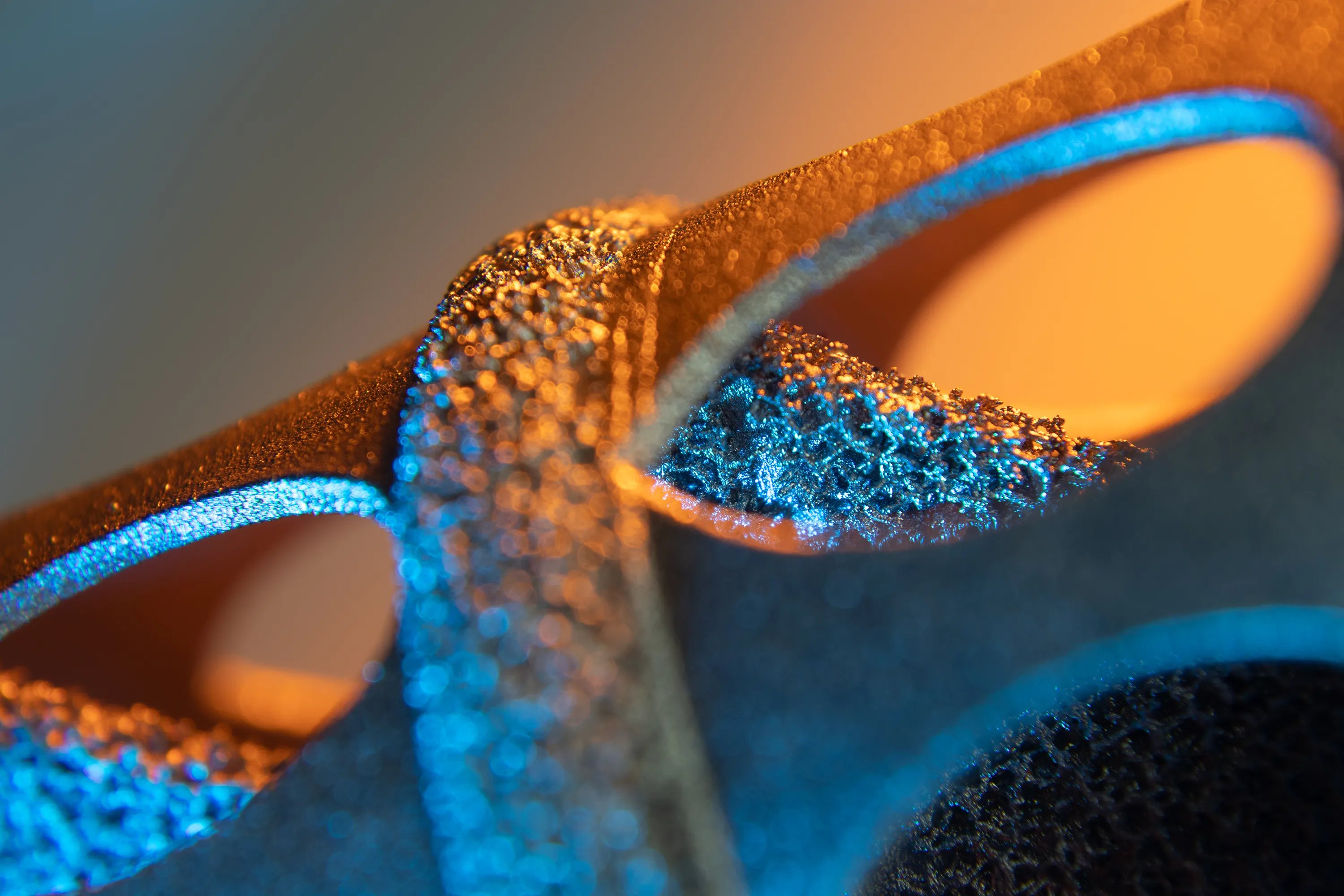
Using technologies such as Direct Metal Laser Sintering (DMLS), Laser Powder Bed Fusion (LPBF), and Electron Beam Melting (EBM), MedTech original equipment manufacturers (OEMs) can produce complex geometries previously thought unmanufacturable. Most notably, additive manufacturing enables the direct fabrication of porous trabecular lattice structures directly integrated into solid structural substrates in a single continuous print build, eliminating the risk of delamination associated with plasma-sprayed coatings.
For global procurement managers, biomedical engineers, and regulatory affairs executives evaluating global contract development and manufacturing organizations (CDMOs), understanding the nuances of material powder rheology, microstructural phase transformation during heat treatment, and post-build powder evacuation is essential. This guide provides an end-to-end technical evaluation of additive manufacturing medical components, highlighting critical procurement criteria, upcoming technological shifts, and structural OEM advantages.
2. Recommended Additive Manufacturing Medical Component Applications
When selecting medical components for additive manufacturing, OEMs must balance geometric complexity, material mechanical properties, and economic feasibility. Below are the primary recommended product categories where additive manufacturing delivers maximum value and information gain over conventional machining:
A. Porous Spinal Interbody Fusion Cages
3D printed spinal implants made from Titanium Alloy (Ti-6Al-4V ELI Grade 23) represent one of the largest commercial success stories of medical additive manufacturing. By incorporating biomimetic, open-cell porous lattice networks (porosity between 50% and 80%, with pore sizes ranging from 400 µm to 700 µm), these cages match the elastic modulus of human trabecular bone (1.5–3 GPa). This significantly reduces stress shielding, promotes cellular attachment, and accelerates early bone ingrowth (osseointegration).
B. Patient-Specific Acetabular Cups & Reconstructive Joint Augments
For primary and revision total hip arthroplasty (THA), additive manufacturing enables the production of acetabular cups featuring integrated outer trabecular surfaces and inner high-precision taper seats. Furthermore, for complex oncology resections and revision procedures, patient-specific joint augments derived from high-resolution CT scan DICOM data can be printed to match anatomical defects precisely, reducing intraoperative surgical surgical prep time and operating room costs.
C. Complex Surgical Instrumentation & Robotic End-Effectors
Beyond permanent implants, additive manufacturing is altering the landscape of surgical instruments and robotic-assisted surgical tools. By applying Design for Additive Manufacturing (DfAM) principles, engineers can integrate internal conformal fluid channels directly into reusable or single-use surgical instruments, enabling internal flushing, cooling, and cable routing within ultra-compact form factors.
D. Patient-Matched Craniomaxillofacial (CMF) Plates and Reconstructive Mesh
In cranial and facial trauma repair, customized titanium plates printed to sub-millimeter tolerances allow surgeons to achieve pre-planned anatomical contouring without manual intraoperative bending, preserving material fatigue strength and optimizing patient aesthetic outcomes.
| Technical Parameter | Additive Manufacturing (LPBF / DMLS) | Conventional Subtractive CNC Milling | Plasma Spray Coating on Solid Metal |
|---|---|---|---|
| Osseointegrative Structure | Monolithic, interconnecting 3D porous lattice | Smooth or machine-textured surface only | Surface coating layer applied post-machining |
| Delamination Risk | Zero (Unitary solid-to-porous structure) | N/A | Moderate to high under torsional shear fatigue |
| Geometric Freedom | Extremely High (Internal voids, lattices, conformal channels) | Limited by line-of-sight cutter accessibility | Constrained to outer profile geometries |
| Lead Time for Custom Implants | 3 to 7 Days from digital file to build | 2 to 4 Weeks (Requires custom tooling & fixturing) | Requires secondary coating step outsourcing |
| Material Efficiency | High (Up to 90% excess powder recycled post-sieving) | Low (High chip waste generation) | Moderate |
3. Global Procurement Trends in Medical Additive Manufacturing (2026–2030)
Global MedTech procurement strategies are evolving rapidly in response to geopolitical supply chain shifts, regulatory scrutiny, and economic demands. Procurement executives at global OEMs are prioritizing strategic partnerships with full-service CDMOs based on four macro trends:
💡 Strategic Procurement Insight: Shift to Nearshore & Fully Integrated CDMOs
Global OEMs are moving away from fragmented supply chains—where additive printing, heat treatment, wire EDM, precision CNC machining, passivating, and cleanroom packaging are split across multiple vendors. Leading OEMs now require an single-source CDMO partner to mitigate regulatory traceability risks, shorten lead times, and optimize land cost metrics.
1. Industrialization & Multi-Laser High-Throughput Production
The additive manufacturing sector is moving beyond single-laser machines toward quad-laser and multi-laser automated powder-handling platforms. Modern production centers run continuously under closed-loop inert gas purging, driving down piece-part costs and enabling additive components to compete directly with traditional forging and casting in medium-to-large volume applications.
2. In-Situ Process Monitoring & AI Quality Assurance
Regulatory bodies such as the FDA and EMA demand rigorous process validation for additive implants. Modern additive procurement standards require CDMOs to feature real-time meltpool monitoring (optical emission tomography and thermal imaging). These systems detect micro-porosity, spatter inclusion, and thermal keyholing during the build process, enabling layer-by-layer automated quality assurance rather than relying solely on post-build destructive testing or non-destructive micro-CT scans.
3. Closed-Loop Powder Lifecycle & Traceability Management
Material integrity directly affects mechanical properties such as high-cycle fatigue performance. Leading procurement organizations require CDMOs to maintain strict virgin-to-recycled powder blending ratios, automated particle size distribution (PSD) analysis, and interstitial gas (oxygen, nitrogen, hydrogen) testing to guarantee batch-to-batch repeatability and prevent oxygen embrittlement in titanium alloys.
4. Technological Trends Shaping the Future of Medical Additive Manufacturing
Looking ahead toward the next decade of medical device innovation, several critical technical breakthroughs are poised to redefine the capabilities of 3D printed components:
A. Multi-Material & Functionally Graded Additive Printing
Current industrial 3D printers typically construct components from a single homogeneous metal alloy. Next-generation additive technology is introducing multi-material laser powder bed fusion, allowing the creation of functionally graded components—for example, transitioning seamlessly from a wear-resistant Cobalt-Chrome (CoCr) joint articulation surface to a porous Titanium (Ti6Al4V) osseointegrative backing in a single automated build cycle.
B. Advanced Bioresorbable Metallic & Polymeric Implants
Research and clinical adoption are accelerating for additive manufacturing of bioresorbable materials, such as Magnesium (Mg) alloys, Zinc (Zn) formulations, and specialized bioresorbable polymers like PLLA and PCL. These 3D printed components serve temporary structural functions—such as cardiovascular stents, orthopedic bone fixation plates, or tissue scaffolds—and safely dissolve within the human body over time, eliminating the need for secondary implant removal surgeries.
C. Algorithmic Generative Design & Finite Element Optimization
Generative design algorithms, powered by artificial intelligence and finite element analysis (FEA), allow engineers to specify load vectors, weight targets, and anatomical constraints to automatically generate hyper-optimized, organic component geometries. These designs maximize strength-to-weight ratios while placing porous cellular structures specifically where biological stress transfer is needed most.
5. Paragon Medical: World-Class Capabilities & CDMO Enterprise Advantages
Navigating the transition from initial prototype to FDA 510(k) or PMA clearance and high-volume commercial production requires a contract manufacturing partner with extensive technical experience, regulatory expertise, and scalable global operational infrastructure.
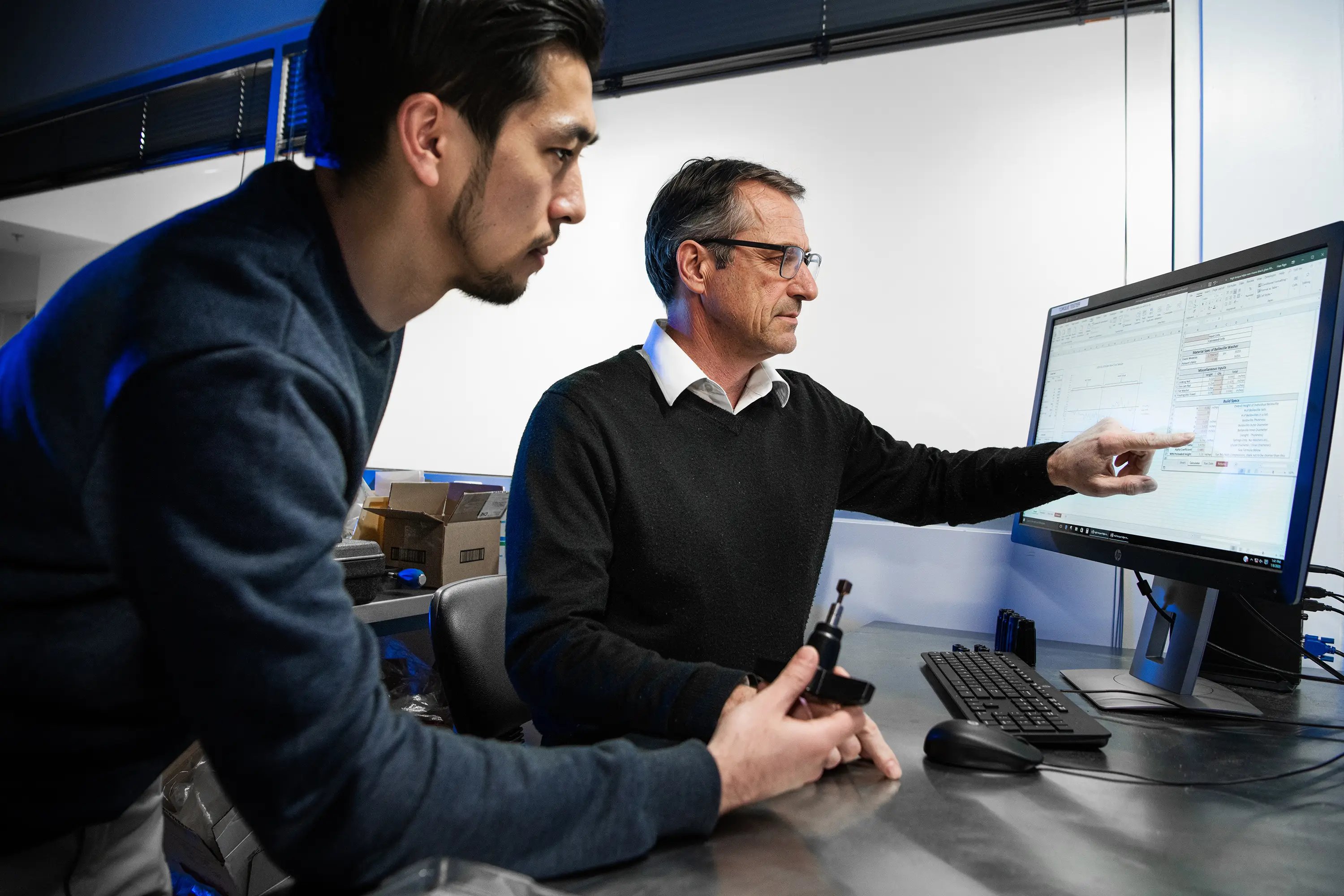
With over a century of collective medical manufacturing heritage, Paragon Medical stands at the global forefront of medical device contract development and precision manufacturing. Our enterprise capabilities provide OEMs with an unmatched competitive advantage:
- Global Manufacturing Footprint: Operating over 1.2 million square feet of state-of-the-art manufacturing space across 8+ specialized facilities in North America, Europe, and Asia, ensuring supply chain redundancy and localized risk mitigation.
- Dedicated Additive Centers of Excellence: Specialized facilities equipped with industrial multi-laser additive manufacturing platforms optimized exclusively for medical-grade Titanium and Stainless Steel alloys.
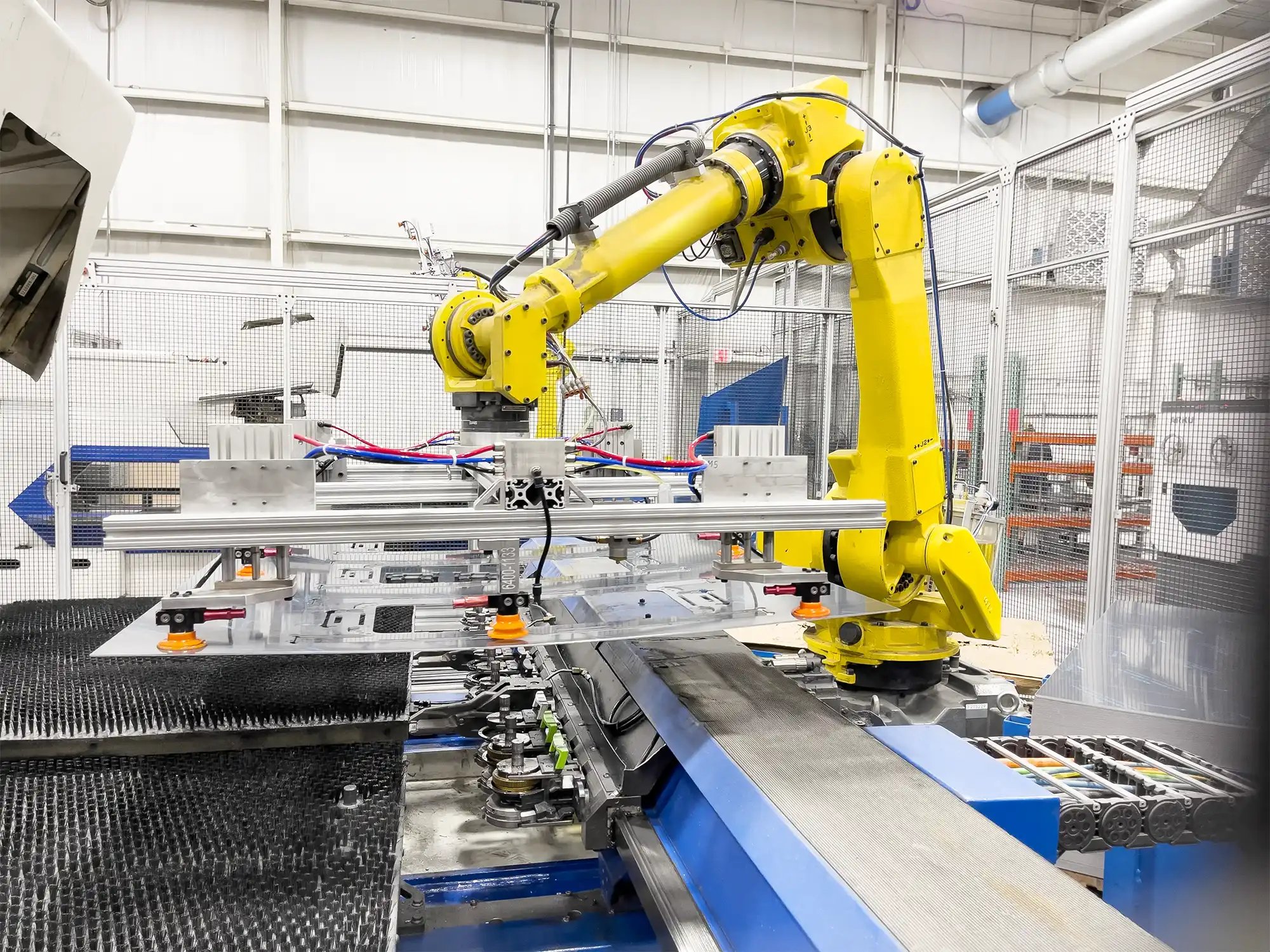
- End-to-End In-House Supply Chain: From initial Design for Additive Manufacturing (DfAM) consultation to powder characterization, 3D metal printing, Hot Isostatic Pressing (HIP), automated post-processing, precision CNC secondary machining, wire EDM, chemical etching, ultrasonic cleaning, and ISO Class 7 cleanroom packaging.
- Uncompromising Quality & Regulatory Compliance: Comprehensive Quality Management Systems (QMS) certified to ISO 13485:2016 standards and fully registered with the US FDA and global regulatory authorities.
- Dedicated Innovation Centers: Specialized collaborative hubs where OEM design teams work alongside Paragon Medical engineering experts for rapid prototyping, design verification, process characterization, and risk-mitigated technical transfer.
6. Procurement & Engineering FAQ: Additive Manufacturing Medical Components
Below are authoritative answers to the top technical and procurement questions asked by medical device OEMs, supply chain directors, and engineering leads:
Powder reuse cycles must be strictly managed to prevent oxygen pick-up, particle morphology degradation, and moisture absorption, which can cause micro-porosity and reduce high-cycle fatigue life. Paragon Medical utilizes automated powder sieving under inert gas, along with batch-level chemistry testing (ASTM B348 / ASTM F136 standards) and optical particle size distribution (PSD) verification, maintaining strict virgin-to-recycled ratios to guarantee consistent tensile and fatigue strength across production lots.
Removing trapped metal powder from internal lattice structures is a critical biological safety requirement. Paragon Medical employs a validated multi-stage cleaning protocol that includes automated high-frequency ultrasonic agitation, vacuum-assisted pressure pulsing, fluid flushing, and high-resolution Micro-CT inspection sampling. This process ensures complete powder evacuation meeting FDA and ISO 10993 cytotoxicity and biocompatibility standards.
Hot Isostatic Pressing subjects printed metal components to simultaneous high temperature (typically ~920°C for Ti6Al4V) and high argon pressure (100+ MPa). This process closes internal micro-voids, relieves thermal residual stresses from laser melting, and transforms the microstructure into a ductile, fatigue-resistant alpha+beta phase, ensuring compliance with ASTM F3001 standards for medical implants.
While rapid prototyping builds can be completed in days, a full commercial medical tech transfer—including DfAM optimization, IQ/OQ/PQ machine validations, cleaning validation, process fatigue testing, and regulatory documentation—typically spans 16 to 26 weeks, depending on device classification (Class II vs. Class III) and submission pathways.
Paragon Medical operates under stringent non-disclosure agreements (NDAs) and robust cyber-security frameworks (compliant with ISO 27001). Customer CAD files, lattice algorithms, and proprietary design files remain the exclusive intellectual property of the OEM. Our Innovation Centers serve as an extension of your R&D team, providing manufacturing feasibility support while protecting your IP.