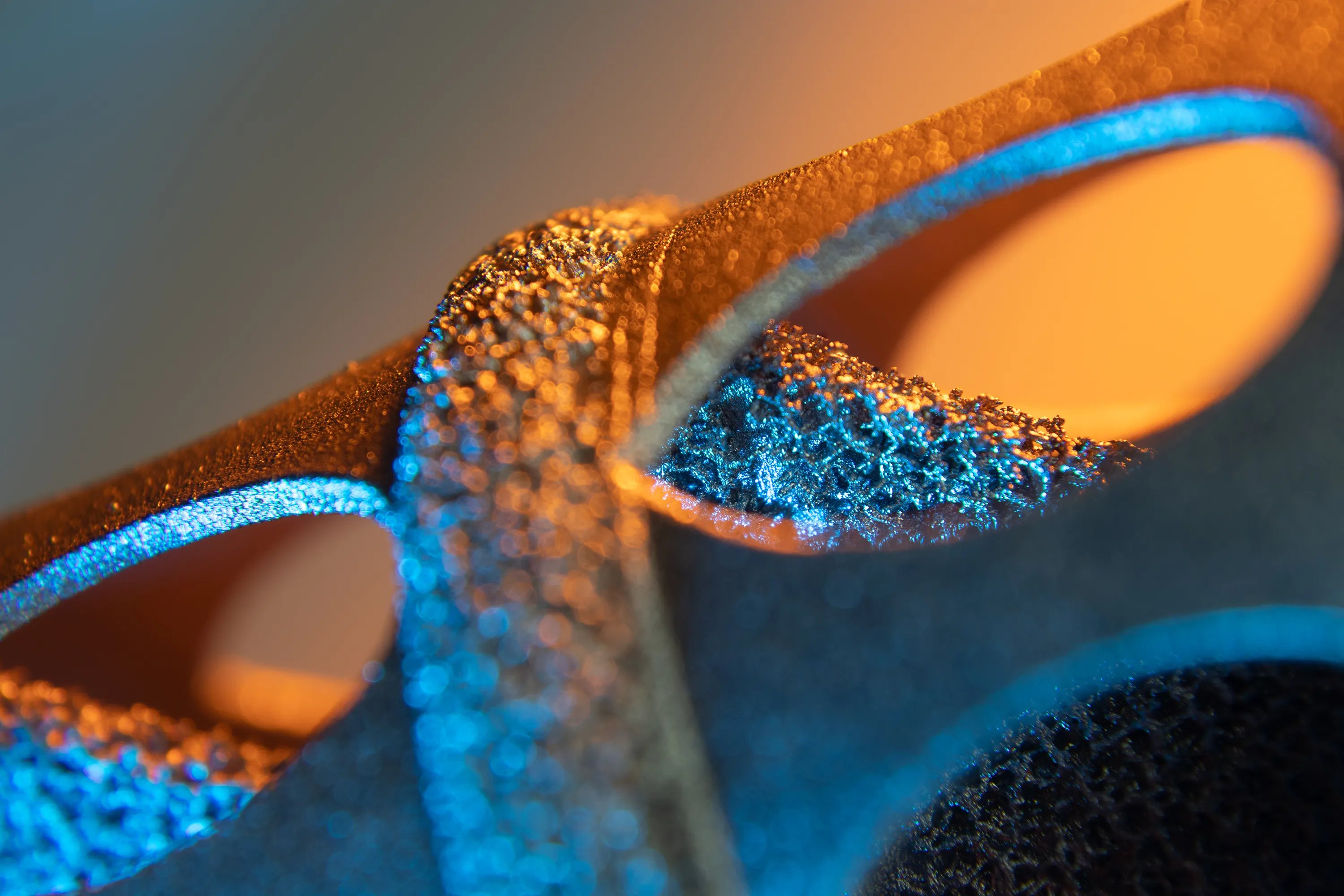
Next-Generation Orthopedic Implants Manufacturing: Global Procurement Guide, Future Technology Trends, and CDMO Contract Engineering Excellence
Navigate the complex landscape of global orthopedic implant procurement. From porous titanium additive manufacturing and precision CNC swiss turning to ISO 13485 quality assurance and FDA/MDR regulatory validation, discover how Paragon Medical accelerates OEM commercial success with unmatched engineering depth and scalable infrastructure.
End-to-End Orthopedic Implant Solutions for Global MedTech OEMs
Engineered for Biocompatibility, Mechanical Performance, and Clinical Longevity
As surgical techniques evolve toward minimally invasive procedures and robotics-assisted alignment, original equipment manufacturers (OEMs) demand contract manufacturing partners capable of holding sub-micron tolerances across diverse metallurgical and polymeric materials. Paragon Medical delivers end-to-end design, prototyping, machining, porous coating, and sterile cleanroom packaging across all key orthopedic sectors.
- Joint Reconstruction Implants: High-precision hip stems, acetabular cups, femoral knee components, tibial trays, and humeral heads machined from CoCr (ASTM F75/F1537), Ti-6Al-4V ELI (ASTM F136), and highly cross-linked UHMWPE (ASTM F648).
- Spinal & Interbody Fusion Devices: Porous titanium 3D-printed interbody cages (cervical, PLIF, TLIF, ALIF, LLIF) engineered with biomimetic trabecular structures to optimize osseointegration, as well as radiolucent PEEK-OPTIMA® spacers and titanium cervical plates.
- Trauma & Internal Fixation Systems: Anatomic bone locking plates, intramedullary (IM) nails, cannulated screws, and external fixation hardware designed to endure fatigue loads under ASTM F1264 and ASTM F382 testing standards.
- Patient-Specific & Complex Reconstruction: Custom 3D-printed titanium implants tailored via patient CT scan data for oncology resections, revision joint surgeries, and complex cranio-maxillofacial (CMF) reconstructions.
- Surgical Instrumentation & Sterile Trays: Ergonomic, reusable surgical instruments and customized anodized aluminum/stainless steel delivery cassettes engineered to interface seamlessly in the operating theater.
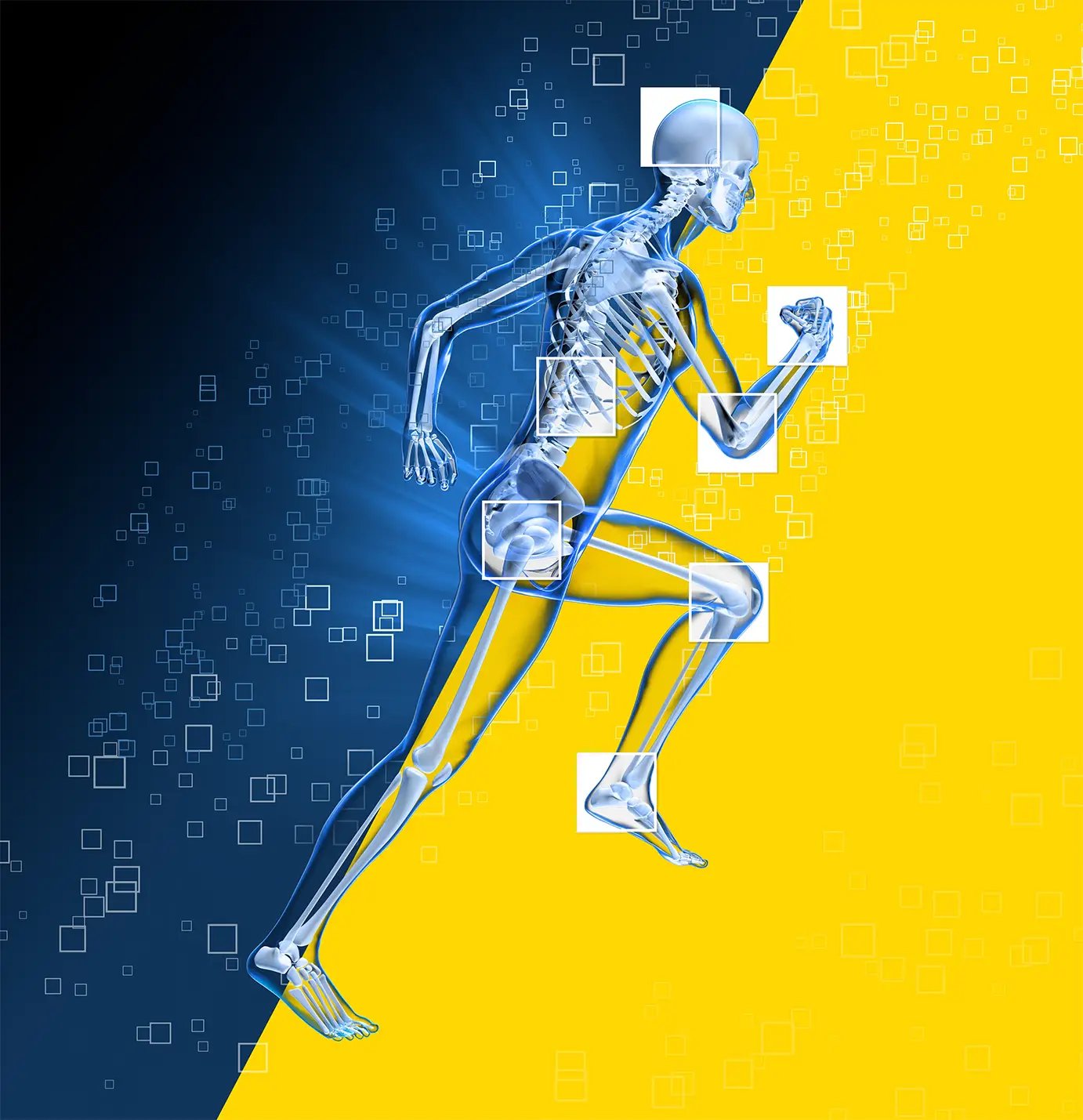
Biocompatible Metallurgy & Advanced Polymer Selection in Orthopedic Manufacturing
Selecting the optimal implant material requires balancing mechanical strength, modulus of elasticity to prevent stress shielding, corrosion resistance, bio-inertness, and wear resistance. Paragon Medical operates specialized machining, EDM, additive, and finishing cells optimized for medical-grade alloys and high-performance polymers.
| Material / Alloy Standard | Primary Clinical Applications | Mechanical & Biological Characteristics | Key Manufacturing Considerations |
|---|---|---|---|
| Ti-6Al-4V ELI (ASTM F136 / ISO 5832-3) | Spinal cages, hip stems, trauma screws, additive 3D implants | High strength-to-weight ratio, low elastic modulus (~110 GPa), excellent bio-inertness & osseointegration. | Requires strict atmosphere control during additive powder bed fusion (PBF/EBM) and cryogenic CNC machining. |
| Co-28Cr-6Mo Alloy (ASTM F75 / ASTM F1537) | Femoral knee components, total hip articular heads | Superior wear resistance, high hardness, exceptional polished surface finish capability (< 0.02 μm Ra). | Extremely work-hardening; requires heavy-duty 5-axis milling centers with diamond-coated tooling. |
| PEEK Optima & CFR-PEEK (ASTM F2026) | Interbody fusion cages, suture anchors, structural spacers | Radiolucent (CT/MRI compatible), modulus near cortical bone (~3.5 to 18 GPa depending on carbon fiber fill). | Demands precise thermal history control during injection molding or high-temperature CNC turning to prevent internal stress. |
| Highly Cross-Linked UHMWPE (ASTM F648) | Acetabular liners, tibial knee inserts, glenoid bearings | Ultra-low wear rates, high impact toughness, resistance to oxidative degradation post-sterilization. | Precision single-point diamond turning; strict cleanroom environmental humidity and temperature regulation. |
| Stainless Steel 316LVM (ASTM F138 / ISO 5832-1) | Temporary trauma plates, fracture fixation pins, instruments | Cost-effective, high yield strength, excellent ductility for intraoperative contouring and bending. | Requires passivation (ASTM A967 / AMS 2700) to ensure deep surface oxide passivation layer integrity. |
By providing early Design for Manufacturability (DFM) guidance on raw material sourcing, grain size, heat treatment (HIP - Hot Isostatic Pressing), and surface passivation (citric or nitric anodization), Paragon Medical mitigates technical risk prior to prototype sign-off.
The Shift Toward Biomimetic Additive Structures and Smart Orthopedic Implants
Reinventing Osseointegration through Direct Metal Printing and Digital Engineering
The orthopedic industry is undergoing a paradigm shift driven by additive manufacturing (3D printing), enabling engineers to fabricate complex porous structures that were previously impossible to machine via subtractive CNC methods.
- Controlled Pore Morphology: 3D Direct Metal Laser Sintering (DMLS) and Electron Beam Melting (EBM) allow engineered pore diameters (300–700 μm) and porosity levels (60–80%) that match trabecular bone, promoting accelerated vascularization and bone ingrowth.
- Elimination of Plasma Spray Coatings: Monolithic additive implants integrate porous surface structures directly into the solid implant core, eliminating the risk of coating delamination or particulate debris shedding in total joint replacements.
- Smart Implants & Sensor Integration: The integration of embedded micro-telemetric sensors into orthopedic hardware for real-time load monitoring, joint kinematics analysis, and early detection of periprosthetic infections or implant loosening.
- Bioresorbable & Composite Materials: Emerging research into absorbable magnesium alloys and bioresorbable polymers for temporary fixation plates that eliminate secondary implant removal surgeries.

Future Procurement Trends in Global Orthopedic Sourcing
Procurement directors and strategic sourcing executives face unprecedented market pressures: geopolitical tariff changes, stringent EU Medical Device Regulation (MDR) technical documentation demands, strict FDA 21 CFR Part 820 requirements, and supply chain fragility. Successful OEMs are overhauling their vendor selection criteria, moving from fragmented component suppliers to fully integrated CDMO ecosystem partners.
1. Consolidation into Single-Source CDMO Platforms
Managing disparate vendors for raw materials, CNC machining, plasma coating, anodizing, cleaning, and cleanroom packaging increases cycle times and regulatory friction. OEMs are shifting toward single-source CDMO partners who own the complete quality record from bar stock to sterile shelf-ready package.
2. Strategic Dual-Sourcing & Regional Manufacturing Resilience
To eliminate supply chain single-point failures, major orthopedic OEMs require global contract manufacturers with multi-site redundancy. Paragon Medical operates over 1.2 million square feet across North America, Europe, and Asia, ensuring seamless disaster recovery and regional production localization.
3. Design for Manufacturability (DFM) at Prototype Stage
Procurement teams are engaging contract engineers significantly earlier in the R&D cycle. Applying DFM principles to 3D printed lattice designs or complex 5-axis curved surface geometries reduces machining cycle times by up to 35% and lowers long-term unit production costs.
4. Stricter Environmental, Social & Governance (ESG) Compliance
Global hospital procurement boards increasingly evaluate the carbon footprint of surgical devices. Advanced CDMOs are implementing closed-loop cutting fluid filtration, metal powder recycling, solar energy utilization, and zero-landfill manufacturing processes.
Accelerating Commercialization via Paragon Medical Innovation Centers
Dedicated Prototyping, FEA Modeling, and Rapid Regulatory V&V
Bridging the gap between conceptual design and commercial scale production requires deep metallurgical knowledge and dedicated engineering focus. Paragon Medical’s specialized Innovation Centers empower OEM design teams to iterate rapidly, validate mechanical properties under ISO 14801 / ASTM standards, and streamline regulatory submission files.
- Rapid Prototyping & Feasibility Cell: Dedicated high-speed 5-axis mills and additive printers focused exclusively on prototype speed without disrupting production schedules.
- Finite Element Analysis (FEA) & Biomechanical Simulation: Computer-aided stress distribution modeling to optimize implant geometry and weight prior to physical machining.
- Validation & Verification (V&V): Comprehensive IQ/OQ/PQ protocols, cleaning validation, biocompatibility testing assistance, and residual solvent analysis (ISO 10993).
- Dedicated Program Management: Single-point accountability via experienced PMP-certified project managers trained in medical device design controls.
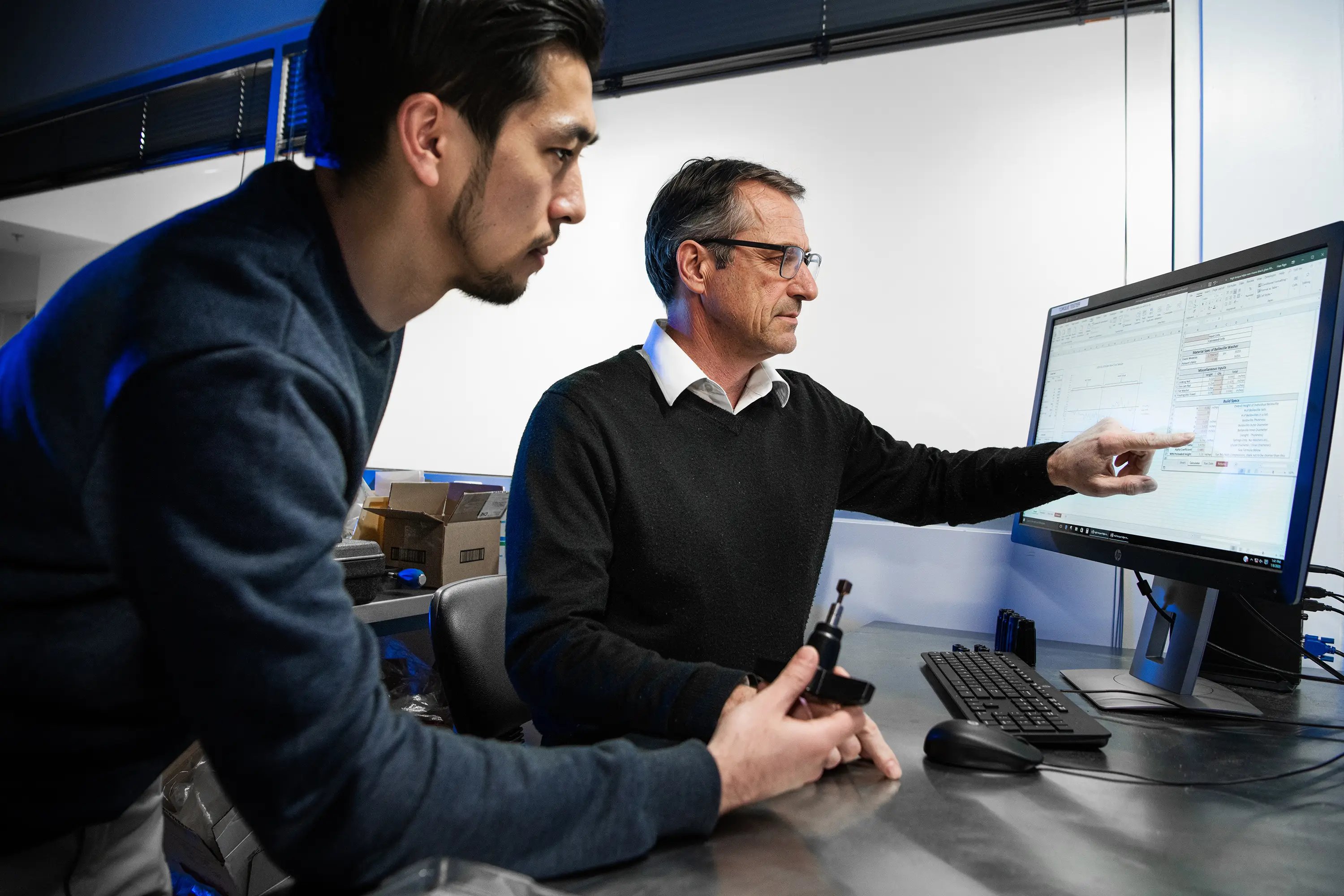
Why Global MedTech Leaders Choose Paragon Medical
Combining operational scale with unmatched engineering craftsmanship, we empower OEMs to deliver life-improving medical devices to patients worldwide.
Years of Manufacturing Heritage
Decades of specialized experience in medical machining, Swiss micro-turning, instrument manufacturing, and complex titanium implant forging.
Square Feet Global Footprint
State-of-the-art facilities equipped with 5-axis CNC machining, wire EDM, additive PBF/EBM printers, and cleanrooms across Americas, Europe, and Asia.
Certified Quality Management
Rigorous quality assurance adhering to FDA 21 CFR Part 820, EU MDR 2017/745 standards, complete lot traceability, and automated CMM inspection.
Controlled Cleanrooms
ISO Class 7 and 8 validated cleanroom environments for ultrasonic cleaning, microscopic inspection, sterile pouching, and protective box packaging.
Additive Center of Excellence
End-to-end additive manufacturing expertise from metal powder characterization to post-print thermal HIP treatment and surface pore validation.
On-Time Delivery Performance
Robust Integrated Business Planning (IBP) and Kanban inventory management ensuring resilient supply continuity for global surgical demands.
Automated Precision Manufacturing and Cleanroom Packaging Integration
Protecting Implant Integrity from Raw Metal Stock to Sterile Surgical Suite
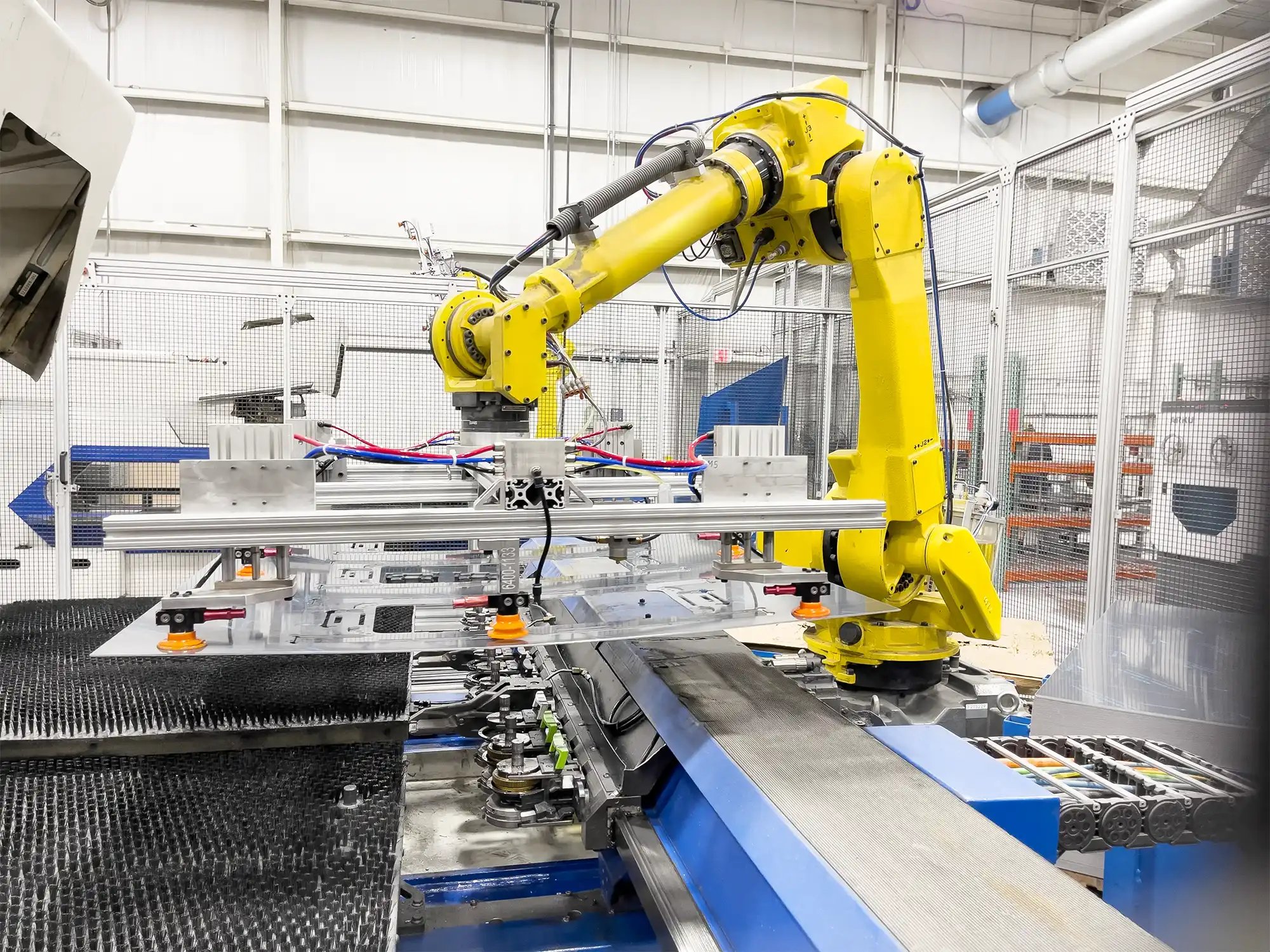
Orthopedic implants demand uncompromising surface purity and dimensional accuracy. Contamination from machining oils, particulates, or micro-burrs can lead to clinical failure. Paragon Medical combines automated robotic loading cells with multi-stage validated cleaning and Class 7 cleanroom packaging to guarantee device sterility and safety.
- Robotic multi-axis CNC loading cells for uncompromised repeatability across high-volume production runs.
- Validated automated ultrasonic cleaning tanks utilizing RO/DI water systems and non-cytotoxic aqueous chemistries.
- Laser marking and UDI (Unique Device Identification) serialization meeting FDA and EU MDR tracking guidelines.
- Tyvek® pouching, blister tray sealing, and rigid container assembly within certified ISO Class 7 cleanrooms.
Empowering Surgeons with Flawless Device Performance in the OR
Where Precise Engineering Meets Surgical Excellence
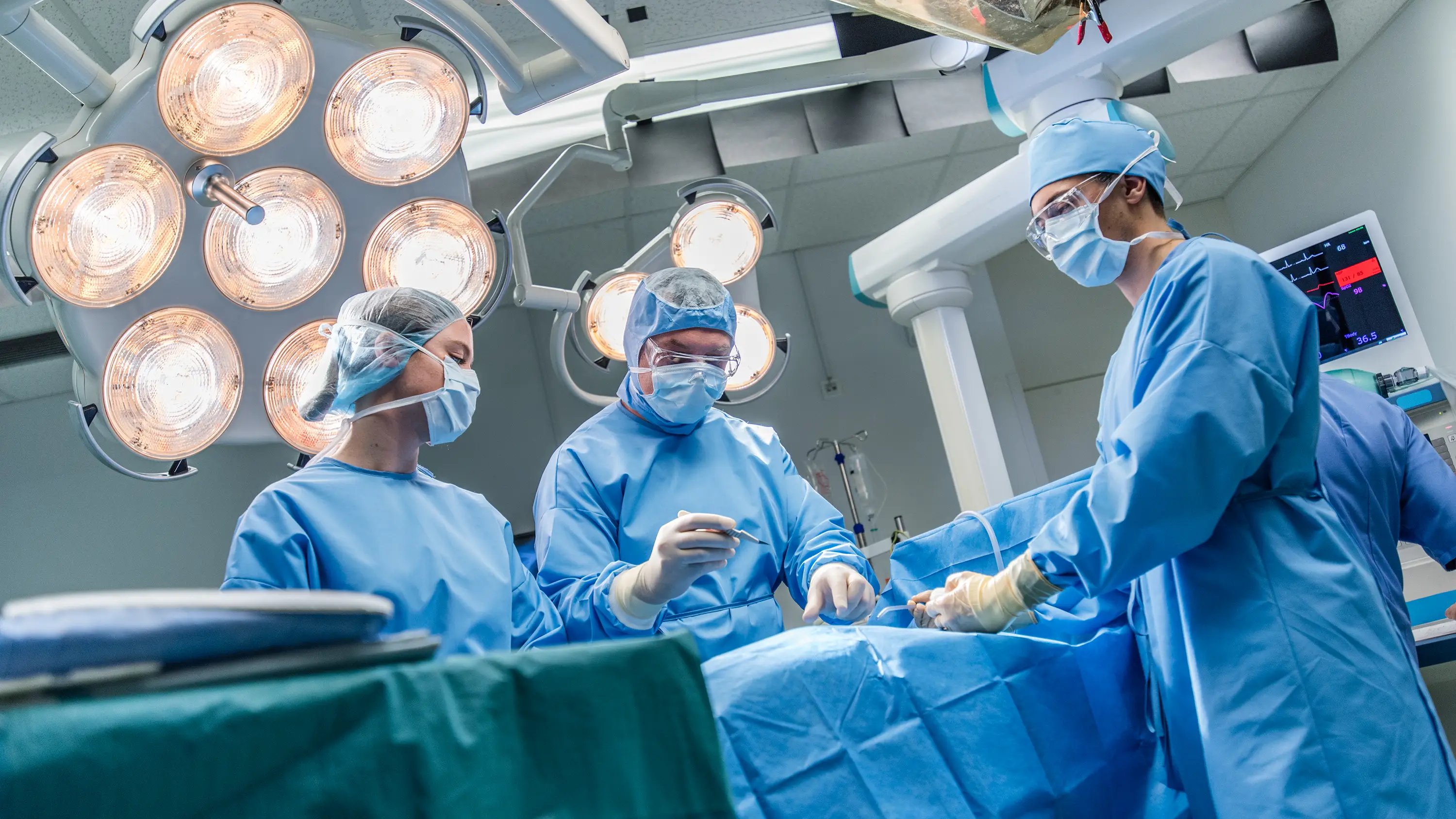
In the operating theater, surgeon confidence relies on the seamless tactile feedback and perfect fit of orthopedic implants and trial instruments. Paragon Medical works in tandem with OEM clinical development teams to ensure that every implant contour, locking mechanism, and instrument interface functions flawlessly under surgical pressure.
- Strict dimensional tolerance control (±0.0025 mm) ensuring zero intraoperative alignment friction.
- Surface roughness optimization (Ra polishing down to mirror finish or matte anti-glare passivation).
- Ergonomic trial instrument sets matching implant geometries for accurate bone resection verification.
Frequently Asked Questions (FAQ) for Global Orthopedic Procurement
Direct engineering and procurement answers to top questions asked by OEM sourcing managers, regulatory directors, and supply chain executives.
All Paragon Medical manufacturing centers operate under certified ISO 13485:2016 Quality Management Systems and are registered with the U.S. FDA as Contract Manufacturers (21 CFR Part 820 compliant). Additionally, our European operational facilities comply with EU MDR (2017/745) requirements, and our cleanrooms maintain ISO Class 7 and Class 8 environmental certifications.
We utilize a multi-layered validation protocol for 3D printed Ti-6Al-4V ELI implants: Virgin vs. recycled metal powder characterization (particle size distribution via ASTM B214 / Hall Flow), CT micro-tomography for internal pore connectivity and structural integrity, mechanical fatigue testing under ASTM F2077 / ASTM F1160, and chemical surface cleanliness analysis (residual powder removal validation).
Through our dedicated Innovation Centers, initial engineering prototypes (machined or 3D printed) can typically be delivered within 2 to 4 weeks, depending on design complexity and raw material availability. Commercial ramp-up lead times range between 12 to 24 weeks, encompassing DFM completion, fixture design, tool validation (IQ/OQ/PQ), cleaning validation, and regulatory batch builds.
Yes. We have established dedicated HMLV manufacturing cells designed specifically for patient-matched implants (such as custom CMF plates, complex pelvic reconstruction, and revision hip stems). Our digital workflow integrates directly with OEM DICOM CT-to-CAD models while ensuring strict lot segregation and fast turnaround times.
Paragon Medical offers an extensive suite of in-house surface treatment processes, including Type II and Type III titanium anodizing, electrochemical polishing, automated bead blasting, mass finishing/tumbling, laser etching, porous plasma spray coating, and hydroxyapatite (HA) surface deposition.
Protecting client IP is fundamental to our contract manufacturing model. Paragon Medical enforces strict non-disclosure agreements (NDAs), isolated digital network security (ITAR & ISO 27001 compliant), physical access-controlled production cells, and strict firewall protocols between different project engineering teams.
Because we operate as a full-service CDMO tailored to diverse OEM requirements, MOQs depend on product classification. For patient-specific implants, the MOQ is single-unit (1 piece). For standard joint replacement components or trauma screws, we establish flexible batch economic order quantities (EOQs) based on raw material mill runs and machine setup optimization.
Our regulatory affairs team provides OEMs with comprehensive Technical Files, including full raw material certs (MTRs), Process Failure Mode and Effects Analysis (pFMEA), process capability studies (Cpk > 1.33), cleanroom bioburden / endotoxin data, and full device master record (DMR) compilation necessary for EU Notified Body audits.