CDMO Technical Excellence Guide

Cleanroom Assembly and Packaging for Medical Devices: Strategic Sourcing & Engineering Benchmark

A comprehensive technical guide for global procurement leaders, quality executives, and MedTech design engineers evaluating ISO Class 7 & Class 8 Cleanroom Assembly and Packaging services, regulatory compliance (ISO 11607 / EU MDR), and future contract manufacturing trends.

ISO Class 7 & 8 Controlled Environments
ISO 11607 Sterile Barrier Validation
100+ Years Engineering Heritage
1.2M Sq. Ft. Global Operations

The Role of Advanced Cleanroom Assembly and Packaging in Modern Medical CDMO Ecosystems

In the rapidly evolving global medical device landscape, contract manufacturing is no longer merely about precision component fabrication. As regulatory agencies such as the US FDA (under 21 CFR Part 820 and QMSR harmonization) and the European Medicines Agency (under EU MDR 2017/745) elevate requirements for sterile integrity and bioburden control, Cleanroom Assembly and Packaging has emerged as the definitive bridge between raw manufacturing and clinical delivery.

Global procurement teams face unprecedented complexity: managing supply chain fragility, ensuring zero bioburden excursions, verifying ISO 11607 sterile barrier compliance, and accelerating time-to-market for complex multi-component implants, drug delivery autoinjectors, and minimally invasive surgical tools. Outsourcing cleanroom operations to a validated Contract Development and Manufacturing Organization (CDMO) mitigates capital expenditure, optimizes environmental control, and guarantees rigorous particulate monitoring.

This authoritative guide explores the core technical requirements, market trends, technological innovations, strategic OEM advantages, and key procurement considerations for Cleanroom Assembly and Packaging.


Integrated Cleanroom Assembly and Packaging Solutions

From Micro-Subassembly to Validated Sterile Packaging

Paragon Medical operates certified ISO Class 7 and ISO Class 8 cleanrooms designed for high-volume commercial runs and complex, low-volume custom medical assemblies. Our facilities are equipped with positive pressure differential controls, automated HEPA air filtration, continuous microbiological sampling, and strict environmental monitoring systems.

  • Precision Device Subassembly: Joining multi-material polymer and titanium components, micro-fastening, ultrasonic welding, laser welding, and bonding under ISO Class 7 environment.
  • Rigid & Flexible Sterile Barrier Packaging: Custom thermoformed blister tray sealing, Tyvek® pouching, foil laminate sealing, and double sterile barrier systems.
  • Unique Device Identification (UDI) & Kitting: In-line barcode verification, laser marking, GS1 compliant labeling, and custom surgical kit preparation.
  • Bioburden & Particulate Control: Strict raw material cleaning, automated solvent degreasing, ultrasonic cleaning, and purified water rinse validation prior to final seal.
Integrated cleanroom assembly and packaging process diagram for medical device CDMO solutions

Engineered Cleanroom Solutions for High-Risk Clinical Applications

Modern medical devices demand specialized cleanroom environments customized to product geometry, material composition, and intended sterilization modality (Gamma Irradiation, Ethylene Oxide - EtO, Electron Beam, or Vaporized Hydrogen Peroxide - VHP). Sourcing partners must evaluate four critical pillars of cleanroom execution:

01

Orthopedic & Spinal Implant Packaging

Implants require pristine surface purity to support osteointegration. Our cleanroom facilities process joint replacements, spinal cages, and pedicle screws using multi-stage ultrasonic washing systems before sealing them into double Tyvek® pouches or thermoformed blister trays with high thermal seal integrity.

02

Drug Delivery & Combination Devices

Drug delivery platforms (such as wearable injectors, pen needles, and pre-filled syringe subassemblies) require strict particulate containment to prevent fluid path contamination. Operations are conducted in controlled humidity and temperature zones with continuous particulate monitoring.

03

Minimally Invasive & Robotic Surgery Instruments

Complex articulated instruments for laparoscopic and robotic surgery feature intricate mechanical joints. Cleanroom assembly combines micro-mechanical assembly, torque verification, optical vision inspection, and rigid tray sealing designed for immediate surgical use.

04

Sterile Cases & Custom Surgical Kits

Bundling multi-component surgical sets into validated sterile cases optimizes Operating Room (OR) setup time. Our cleanroom kitting operations follow lean cellular assembly principles to guarantee 100% component verification and accurate placement.

Key Technology Development Trends in Cleanroom Manufacturing

Automation, AI Vision, and Next-Generation Environmental Control

The medical cleanroom assembly industry is undergoing a digital transformation driven by the need for higher throughput, reduced human interaction, and predictive quality management. Key technological developments shaping the industry include:

  • Robotic & Automated Micro-Assembly: High-speed SCARA and 6-axis cobots integrated into ISO Class 7 cleanrooms eliminate human particulate shedding while achieving sub-micron alignment accuracy.
  • AI-Powered Optical Seal Inspection: Automated high-resolution cameras inspect heat seals in real-time, detecting channel leaks, micro-voids, and particle inclusions down to 10 microns before sterilization.
  • Sustainable & Recyclable Barrier Materials: Transitioning from traditional multi-layer non-recyclable foils to recyclable mono-material polyolefin films and bio-based Tyvek® alternatives.
  • Digital MES & Real-Time Traceability: Fully paperless Manufacturing Execution Systems (MES) capture continuous environmental sensor data (particle counts, differential pressure, relative humidity) linked directly to the lot batch record.
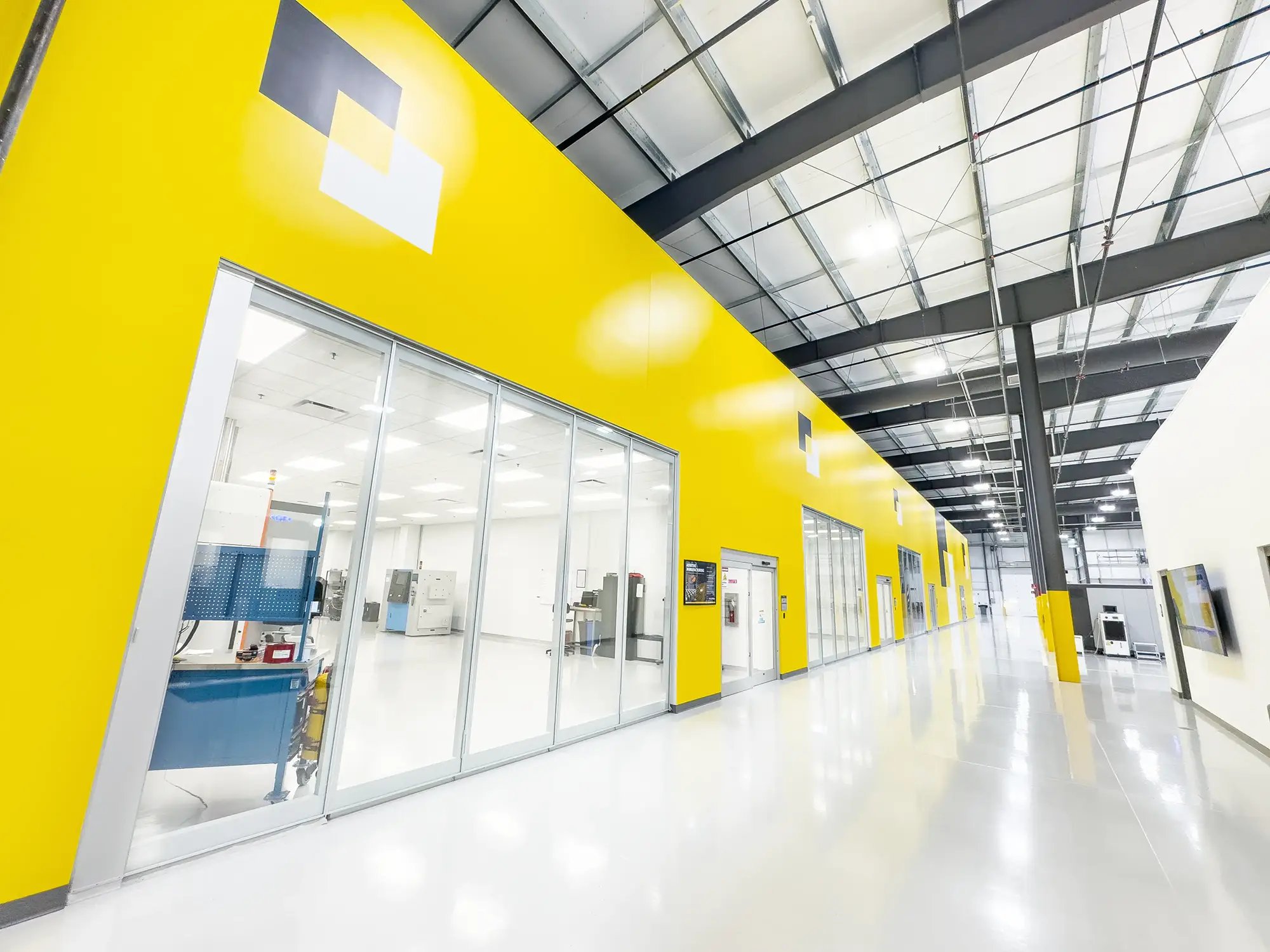
State of the art automated cleanroom facility interior showing precision robotics and controlled environment

Future Procurement Trends for Global Medical Device OEMs

As medical device original equipment manufacturers (OEMs) streamline their global supply chains, strategic procurement strategies for cleanroom assembly and packaging are shifting radically:

1. Single-Source CDMO Integration

Procurement leaders are abandoning fragmented supplier networks in favor of end-to-end CDMO partners. Consolidating precision machining, additive manufacturing, finishing, cleanroom assembly, and sterile packaging under one roof reduces total lead time by 30-50% and eliminates inter-facility transit risk.

2. Nearshoring & Regional Resiliency

Geopolitical disruptions have driven a strong push toward dual-region manufacturing. OEMs require CDMO partners with mirrored cleanroom capabilities across North America, Europe, and Asia to maintain continuous clinical supply regardless of regional trade frictions.

3. Early DFM & DFP (Design for Packaging) Engagement

Integrating cleanroom packaging engineers during the early concept phase prevents costly redesigns during transit testing (ASTM D4169 / ISTA 3A). DFP optimizes package footprint, lowers sterile barrier material costs, and streamlines sterilization load density.

4. Regulatory Harmonization & Audit Acceleration

With the FDA harmonizing 21 CFR Part 820 with ISO 13485:2016, buyers prioritize partners with mature Quality Management Systems (QMS) capable of providing turn-key validation protocols (IQ, OQ, PQ) and immediate audit readiness.

Why Global OEMs Choose Paragon Medical as Their Cleanroom Partner

Unmatched Heritage, Global Footprint, and Operational Excellence

Paragon Medical combines over a century of manufacturing heritage with state-of-the-art cleanroom technology. We serve as a trusted CDMO extension to the world's leading medical device brands, providing robust infrastructure and relentless focus on patient safety.

  • 100+ Years of Manufacturing Expertise: Deep domain knowledge spanning orthopedic implants, surgical instruments, drug delivery, and minimally invasive devices.
  • 1.2 Million Sq. Ft. Operational Footprint: Expansive global manufacturing capacity supported by 8+ world-class facilities across key geographic hubs.
  • Certified ISO 13485 & FDA Registered: Fully compliant Quality Management Systems with zero-defect quality culture and complete regulatory audit support.
  • End-to-End Value Chain Integration: Seamless execution from initial concept design and rapid prototyping to additive manufacturing, finishing, cleanroom packaging, and sterilization management.
  • 99%+ On-Time Delivery Performance: Proactive project management, robust Integrated Business Planning (IBP), and resilient supply chain logistics.
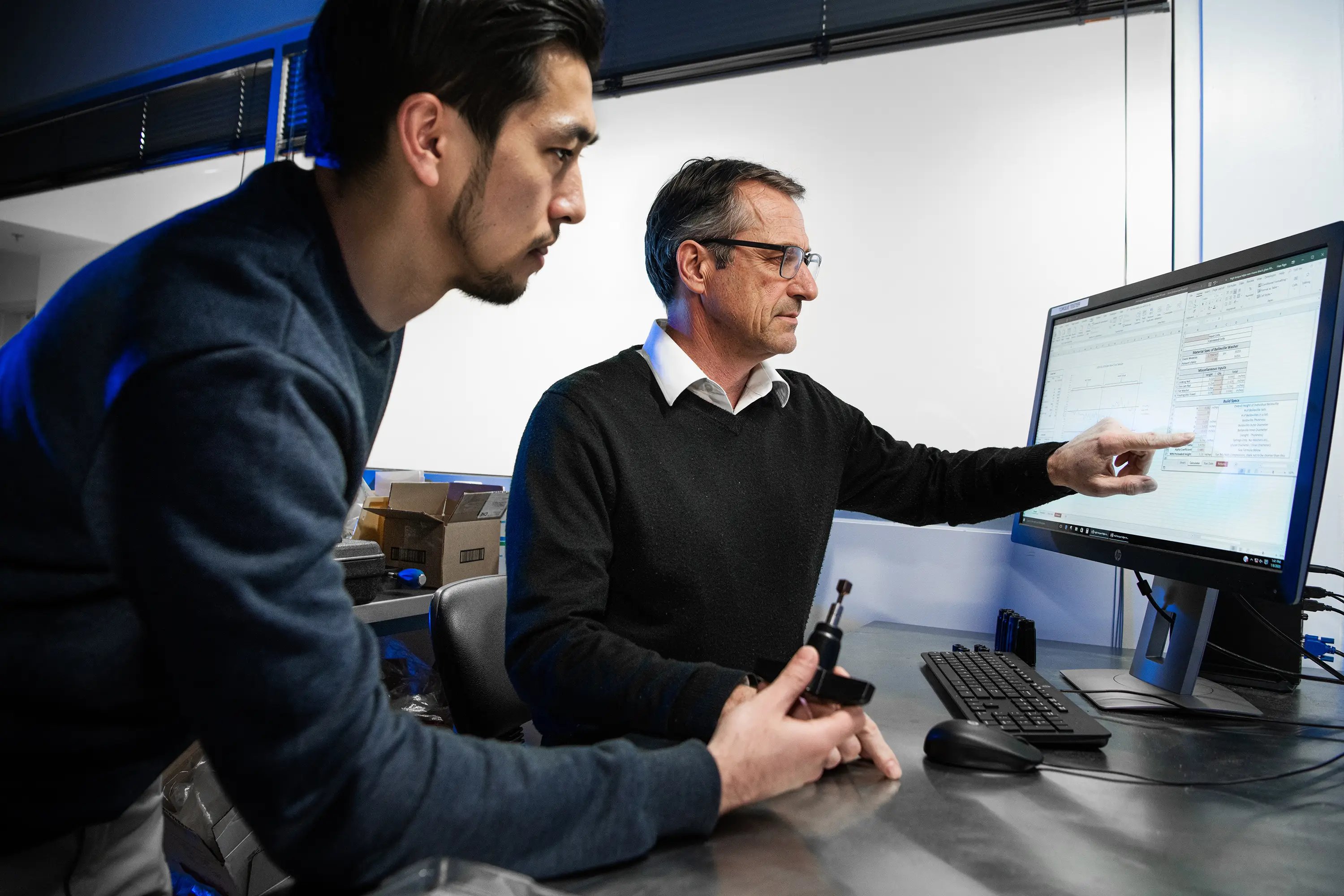
Paragon Medical cleanroom packaging engineers evaluating sterile packaging design and quality compliance

ISO 11607 Compliant Packaging Validation & Bioburden Mitigation

Ensuring Sterile Integrity Throughout the Medical Product Lifecycle

Packaging validation is a critical requirement for medical device commercialization. Paragon Medical provides rigorous, turn-key validation protocol execution following ISO 11607-1 and 11607-2 guidelines, protecting device sterility from factory floor to operating room.

  • Thermal Seal Process Validation (IQ/OQ/PQ): Defining precise seal temperature, dwell time, and pressure parameters to guarantee reproducible sterile barriers.
  • Accelerated & Real-Time Shelf Life Aging: Validating sterile barrier strength across 1-year, 3-year, and 5-year simulated shelf life protocols (ASTM F1980).
  • Package Integrity & Strength Testing: Performing dye penetration testing (ASTM F1929), bubble emission testing (ASTM F2096), and burst seal strength testing (ASTM F1140).
  • Transit Dynamics & Distribution Simulation: Testing packaged devices under drop, vibration, thermal shock, and atmospheric pressure variables (ASTM D4169).
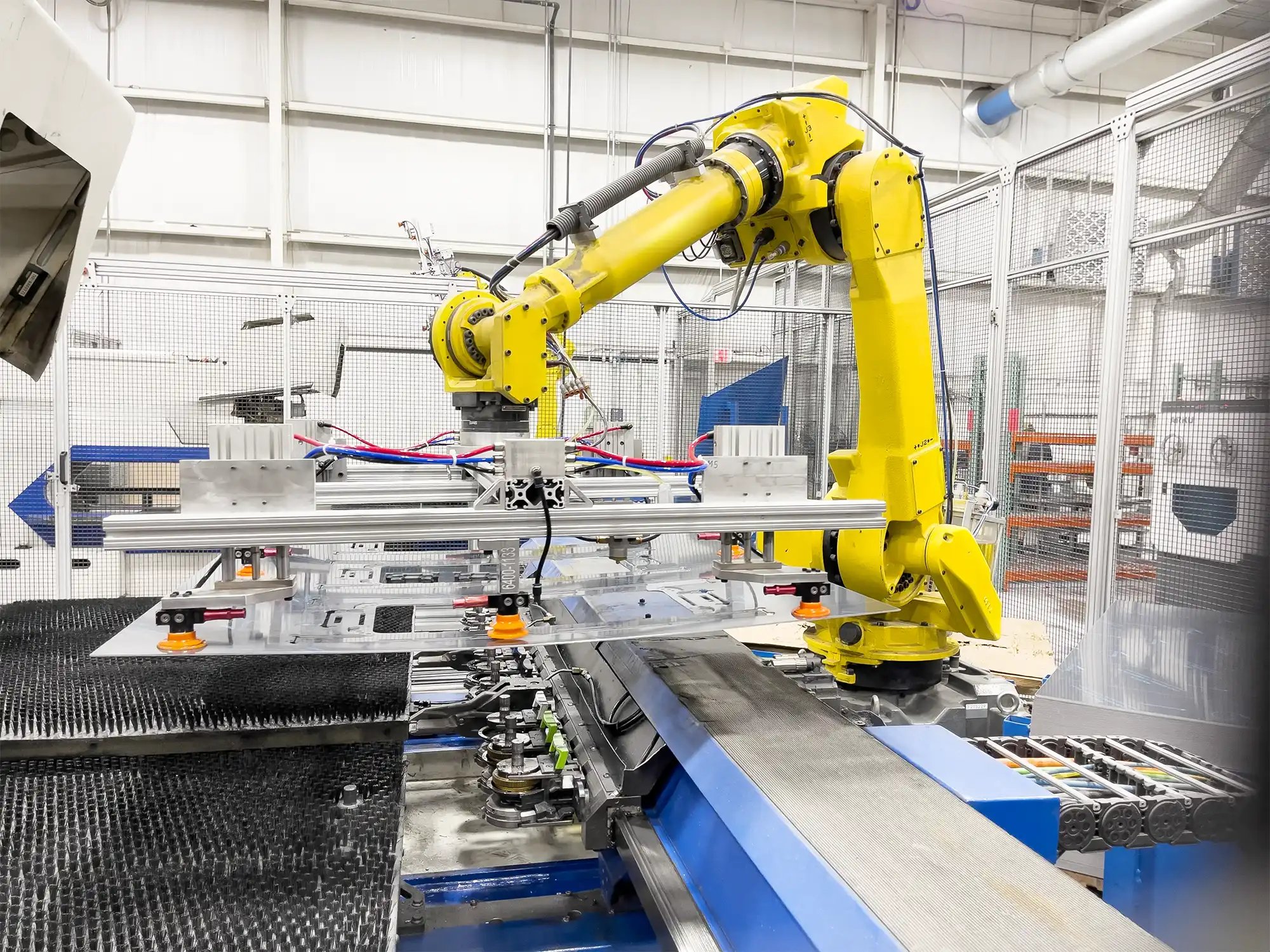
Automated cleanroom seal testing and quality inspection equipment for medical device packaging

Frequently Asked Questions on Cleanroom Assembly and Packaging

Answering top technical, regulatory, and sourcing questions asked by global procurement directors and medical device engineers.

What is the difference between ISO Class 7 and ISO Class 8 cleanrooms for medical device assembly?

The primary difference lies in the maximum allowable particle concentration per cubic meter of air. An ISO Class 7 cleanroom permits a maximum of 352,000 particles (≥0.5 μm) per cubic meter (equivalent to Class 10,000 under old US FS 209E standards), featuring 30 to 60 air changes per hour. An ISO Class 8 cleanroom allows up to 3,520,000 particles (≥0.5 μm) per cubic meter (equivalent to Class 100,000) with 10 to 25 air changes per hour. Critical implant assembly and primary sterile pouch sealing are typically performed in ISO Class 7 environments, whereas secondary packaging and sub-component pre-cleaning may occur in ISO Class 8 spaces.

How does Paragon Medical comply with ISO 11607 packaging validation requirements?

Paragon Medical follows a comprehensive 3-stage validation framework mandated by ISO 11607 (Parts 1 & 2): Installation Qualification (IQ), Operational Qualification (OQ), and Performance Qualification (PQ). We validate raw material compatibility, establish sealing process windows, conduct accelerated and real-time shelf life studies (ASTM F1980), and perform transit simulation testing (ASTM D4169). Physical testing includes seal strength peel testing (ASTM F88), dye penetration leak detection (ASTM F1929), and visual inspection (ASTM F1886).

What bioburden control and sterilization methods are supported?

We work in close coordination with validated sterilization providers to support Ethylene Oxide (EtO), Gamma Irradiation, Electron Beam (E-beam), and Vaporized Hydrogen Peroxide (VHP). Before packaging, components undergo validated multi-stage ultrasonic washing, passivation, or solvent cleaning to maintain initial bioburden levels well below regulatory thresholds (ISO 11737-1).

Can Paragon Medical accommodate low-volume custom runs alongside high-volume production?

Yes. Our cleanroom facilities feature modular cleanroom cells designed for rapid changeovers. This allows us to efficiently manage short-run clinical trial supplies, customized patient-specific orthopedic kits, and niche surgical tools while simultaneously scaling automated lines for high-volume commercial production.

What cost benefits does outsourcing cleanroom operations provide compared to building in-house cleanrooms?

Building an in-house ISO Class 7 cleanroom requires substantial initial capital expenditure ($500 to $1,500+ per square foot), ongoing HVAC energy costs, continuous environmental monitoring software, strict gowning protocols, and dedicated QA/QC staff. Partnering with a CDMO like Paragon Medical transforms fixed capital costs into variable production costs, eliminates regulatory compliance overhead, and provides immediate access to validated equipment and experienced technical personnel.

How are UDI labeling and barcode integrity ensured inside the cleanroom?

Our cleanroom packaging suites utilize integrated thermal transfer printers and high-resolution vision systems that verify 100% of printed Unique Device Identification (UDI) barcodes against GS1 and FDA specifications. High-density 2D DataMatrix codes and human-readable text are inspected for print contrast, edge acuity, and content accuracy before final pouch sealing.

How does Paragon Medical mitigate supply chain risks for packaging raw materials?

We maintain long-standing strategic vendor partnerships with tier-1 raw material suppliers for Tyvek®, medical-grade films, thermoformed resins, and corrugate. Through Integrated Business Planning (IBP), vendor-managed inventory (VMI), and strategic safety stock allocation, we protect our OEM customers against material shortages and lead time volatility.

Delivering Precision, Safety, and Quality to global Operating Rooms

Partnering for Life-Changing Medical Advances

Every medical device packaged in our cleanrooms represents a patient undergoing a vital procedure. Paragon Medical's commitment to quality assurance ensures that every sterile barrier, surgical tray, and implant arrives in the operating suite ready for flawless execution.

  • Proven track record across millions of sterile devices delivered worldwide.
  • Dedicated regulatory support for FDA 510(k), PMA, and EU MDR submissions.
  • Comprehensive risk management alignment following ISO 14971 guidelines.
  • Collaborative engineering teams ready to solve complex packaging challenges.
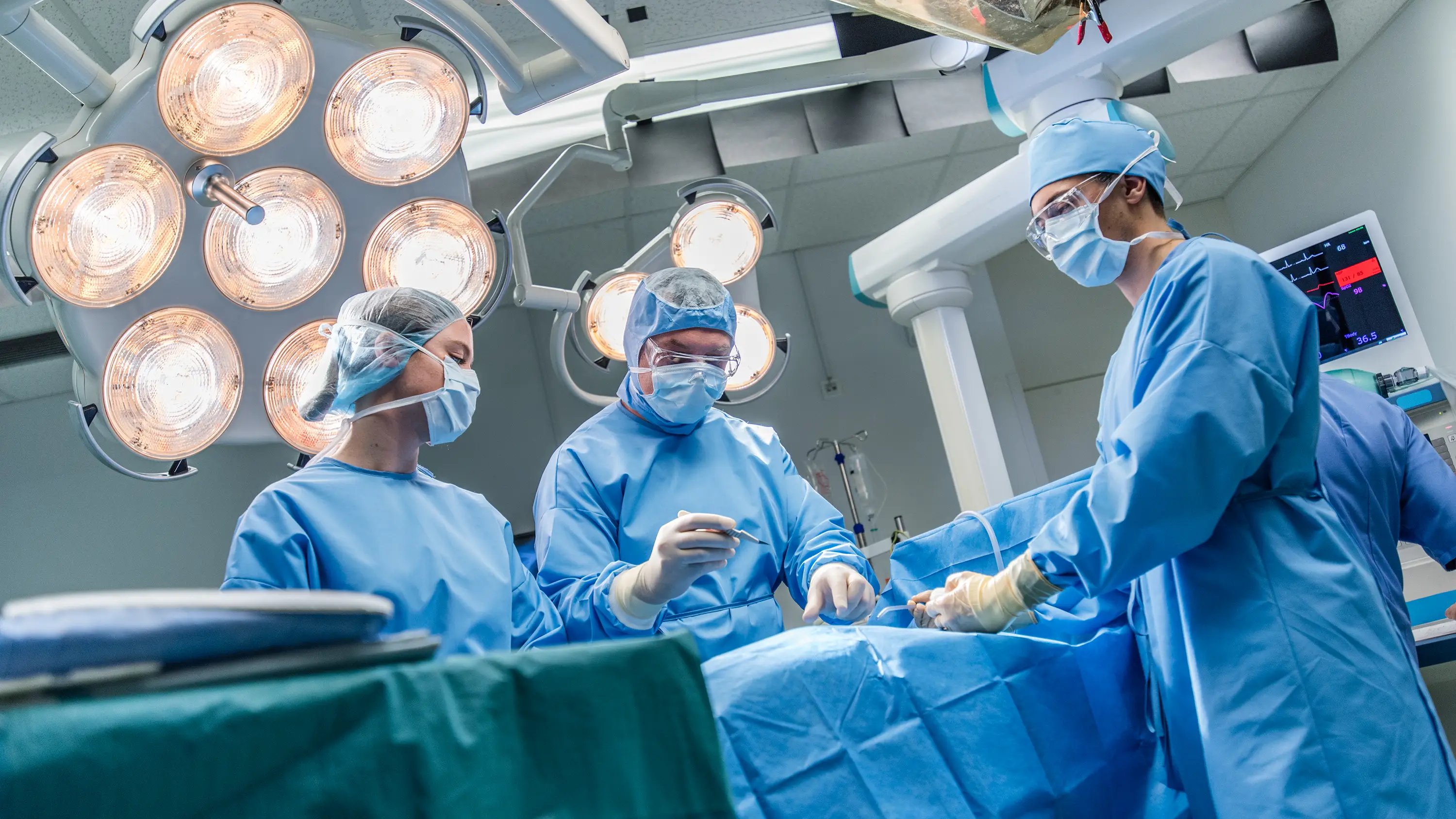
Surgeons using sterile packaged medical devices and instruments in operating room

Accelerate Your Cleanroom Packaging Validation Today

Whether you are developing a novel implant system, scaling a drug delivery platform, or seeking a resilient CDMO partner to optimize cleanroom assembly costs, Paragon Medical offers the global capacity and technical expertise you need.

Inquire Now