Next-Generation Dental Implants Manufacturing: Technical CDMO Framework, Sourcing Trends & Global OEM Capabilities
An authoritative, data-driven analysis for global medical device OEMs, procurement executives, and implant engineers. Discover how micro-precision machining, additive manufacturing, bioactive surface engineering, and end-to-end supply chain integration are redefining dental implant production under strict regulatory standards.
1. Executive Overview: Navigating the Complexities of Dental Implants Manufacturing
The global dental implant market is undergoing a structural transformation driven by an aging global population, rising demand for immediate-loading restorative protocols, and rapid adoption of digital dentistry (including intraoral scanning, 3D cone-beam computed tomography, and CAD/CAM surgical guides). For medical device Original Equipment Manufacturers (OEMs) and brand owners, capitalizing on these growth vectors requires a manufacturing partner capable of executing sub-micron precision machining, complex biocompatible surface treatments, and seamless regulatory compliance across worldwide markets.
Contract Development and Manufacturing Organization (CDMO) partnerships in Dental Implants Manufacturing have evolved far beyond basic job-shop machining. Modern implant systems demand ultra-precise tolerances (often ±0.002 mm or tight internal hex/taper connections), zero-contamination cleanroom assembly, validated sterile packaging, and comprehensive Design for Manufacturability (DFM) support. As OEMs streamline their vendor matrices to mitigate supply chain vulnerabilities under EU MDR (Regulation 2017/745) and FDA 21 CFR Part 820 requirements, single-source, end-to-end CDMO capabilities have become the industry benchmark for sustainable competitive advantage.
Built Upon a Century of Precision Engineering Excellence
With over 100 years of collective manufacturing heritage and more than 1.2 million square feet of operational footprint across 8+ global manufacturing facilities, Paragon Medical represents the pinnacle of medical device contract manufacturing. Our legacy in high-risk, class II and class III medical components provides dental OEMs with unprecedented risk mitigation and technical scalability.
Our dental implants manufacturing division integrates dedicated engineering teams, high-aspect-ratio multi-axis CNC Swiss turning centers, state-of-the-art metal laser powder bed fusion (LPBF) 3D printing suites, and ISO Class 7 cleanrooms. By controlling every stage of production—from raw titanium bar stock validation to final validated pouch packaging—we enable dental brands to shorten time-to-market, guarantee lot-to-lot repeatability, and protect critical intellectual property.
2. Dental Implants Manufacturing Portfolio: OEM Product Recommendations
Dental implant failure is rarely attributable to macro-design alone; it stem from micro-gaps at the implant-abutment interface (IAI), sub-optimal surface topography, micro-fretting wear, or internal stress concentration points. A robust OEM manufacturing program must address these biomechanical failure modes across all system components. Below is a comprehensive breakdown of product categories manufactured for leading global dental brands.
Root-Form Titanium Screw Implants
Machined from Medical-Grade Titanium (Grade 4 Pure Titanium & Ti-6Al-4V ELI Alloy). Features variable thread designs, micro-threads on the cortical collar for crestal bone retention, and self-tapping flutes. Manufactured via multi-spindle Swiss CNC turning with automated optical inspection.
High-Strength Zirconia (Y-TZP) Ceramic Implants
Engineered for metal-free aesthetic zones. Manufactured utilizing Yttria-stabilized Tetragonal Zirconia Polycrystal (Y-TZP) ceramic via high-precision ceramic grinding and green-state machining followed by dense sintering to prevent low-temperature degradation (LTD).
Precision Abutments & Prosthetic Components
Includes straight, angled, custom titanium (Ti-Base), CoCr, and PEEK temporary abutments. Internal/external hex, conical morse taper, and trilobe anti-rotational connections engineered to tight micro-gap tolerances (< 2 microns) to prevent bacterial leakage.
Surgical Instrumentation & Guided Drills
Custom stainless steel, titanium, and diamond-coated surgical drills, countersinks, tap drills, depth gauges, and torque ratchets. Features biocompatible laser-marked depth indicators, DLC (Diamond-Like Carbon) coatings, and extreme cutting edge sharpness retention.
Sterile Surgical Cases & Custom Trays
Custom-molded and metal-fabricated surgical tray systems designed for optimal steam autoclave sterilization flow, intuitive color-coded clinical workflows, and protection of delicate cutting tools during transit and reprocessing.
Patient-Specific & Zygomatic Implants
Complex, extra-maxillary zygomatic implants and patient-specific subperiosteal implants manufactured via Direct Metal Laser Sintering (DMLS). Ideal for severe bone resorption cases requiring custom architectural geometries.
Technical Manufacturing Specifications Matrix
Global procurement teams must evaluate OEM CDMOs based on quantified engineering limits. The table below outlines Paragon Medical's standardized manufacturing criteria for dental implant production:
| Parameter / Feature | Titanium Implants (Grade 4 / Ti-6Al-4V ELI) | Zirconia Implants (Y-TZP) | Prosthetic Abutments & Screws |
|---|---|---|---|
| Dimensional Tolerance | ±0.002 mm (2 microns) | ±0.005 mm (post-sintering) | ±0.0025 mm (IAI indexing) |
| Machining Technology | 10-Axis Swiss CNC Turning / Citizen & Star | Precision Diamond Grinding & Sintering | Ultra-Precision Multi-Tasking Lathes |
| Surface Topography (Ra) | SLA Surface: Ra 1.8 µm - 2.5 µm | Acid-etched / Sandblasted: Ra 1.2 µm - 1.8 µm | Polished Collar: Ra < 0.2 µm |
| Thread Concentricity | < 0.005 mm TIR | < 0.008 mm TIR | < 0.003 mm TIR |
| Cleanroom Environment | ISO Class 7 (Class 10,000) Packaging | ISO Class 7 Packaging | ISO Class 7 Cleanroom Assembly |
3. Future Procurement & Technological Trends in Dental Implants Manufacturing

A. Bioactive & Nanostructured Surface Engineering
The paradigm of dental implant osseointegration has shifted from macro-retention to nano-topographical biological signaling. Historical SLA (Sandblasted, Large-grit, Acid-etched) surfaces are now being combined with nanometer-scale TiO2 nanotube coatings, hydroxyapatite atomic layer deposition (ALD), and bio-functionalized hydrophilic surfaces that increase Bone-to-Implant Contact (BIC) rates during early healing (0–3 weeks).
Contract manufacturers must invest heavily in automated acid-etching containment lines, multi-frequency ultrasonic washing, and inert-gas protective packaging (e.g., liquid-filled or argon-flushed glass ampoules) to preserve surface energy and prevent organic hydrocarbon contamination prior to clinical placement.
B. Additive Manufacturing of Trabecular Porous Structures
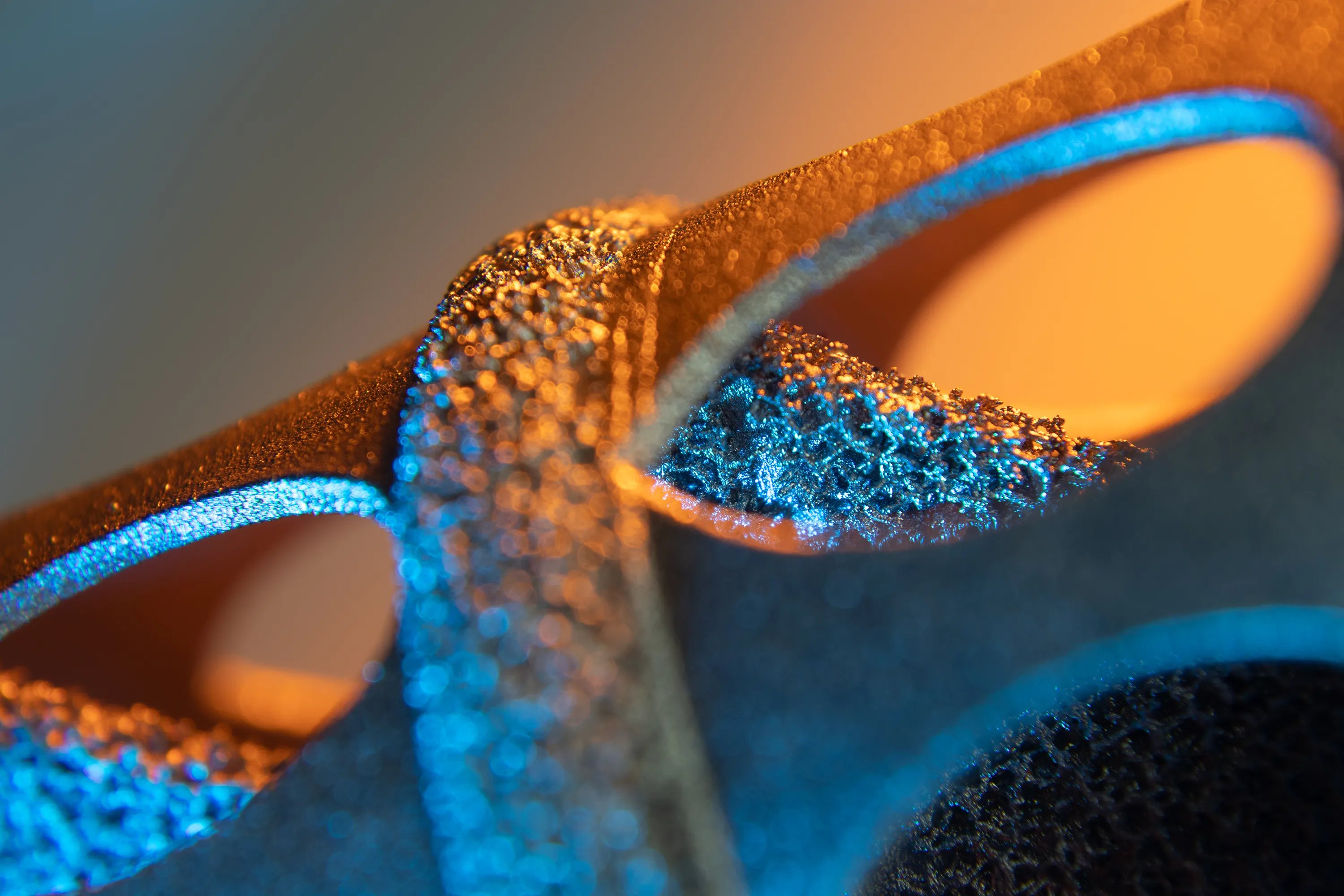
Metal 3D printing via Direct Metal Laser Sintering (DMLS) or Electron Beam Melting (EBM) is revolutionizing the macro and micro-geometry of dental implants. By additive manufacturing trabecular porous metal scaffolds directly into the root body of the implant, manufacturers can replicate native human cancellous bone modulus (reducing stress shielding) while fostering rapid vascularization and deep bone ingrowth.
Furthermore, additive manufacturing allows for cost-effective creation of custom zygomatic implants for severe maxillectomy cases without requiring complex multi-axis subtractive tooling setups.
C. Supply Chain Regionalization & Regulatory Audit Resilience
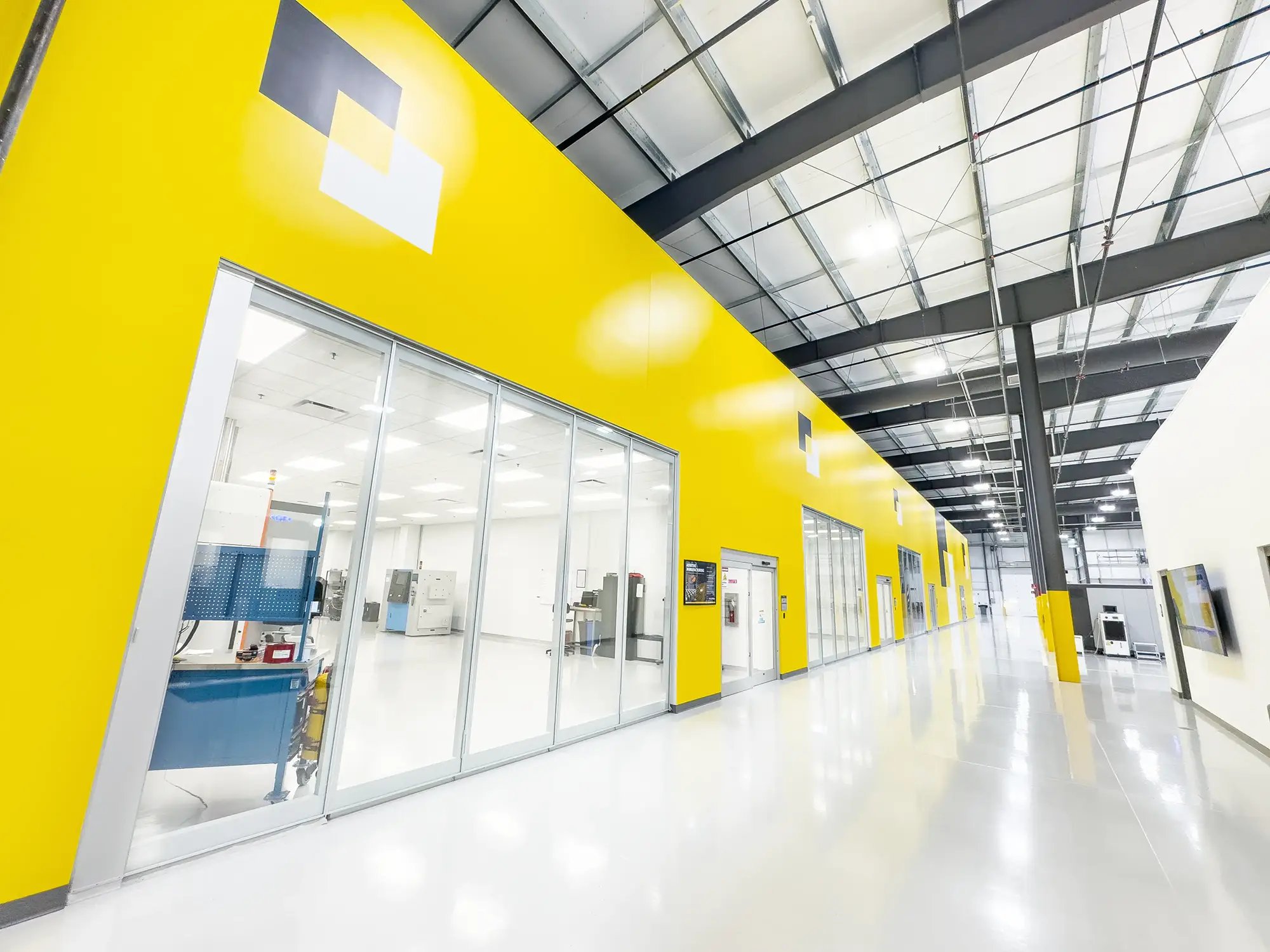
Geopolitical turbulence, shipping delays, and stringent regulatory demands under EU MDR and FDA Quality System Regulations (QSR) have exposed the vulnerabilities of fragmented supply chains. Global dental brands are actively consolidating their vendor bases from isolated machine shops to full-service CDMOs with redundant, multi-site global manufacturing footprints.
Procurement directors now prioritize partners offering Integrated Business Planning (IBP), dual-continent risk mitigation, real-time statistical process control (SPC) data sharing, and full raw material traceability from ingot certification to final sterile pouch validation.
4. Enterprise Advantages: End-to-End CDMO Excellence in Medical Device Manufacturing
When selecting a contract manufacturer for dental implant production, OEMs require more than basic machining capacity—they need an extension of their own engineering and regulatory divisions. Paragon Medical’s global infrastructure provides the exact technical rigor, scalability, and quality management systems necessary to safeguard your brand reputation.
Vertical Integration from Concept to Commercial Launch
Paragon Medical provides a true turnkey manufacturing ecosystem. Our engineering teams assist with initial CAD optimization, finite element analysis (FEA) of implant thread stress distributions, prototype development in our specialized Innovation Centers, scale-up verification, mass production turning, surface passivation, cleanroom washing, labeling, and sterile packaging.
By eliminating third-party handoffs between machinists, anodizers, and cleanrooms, we reduce manufacturing lead times by up to 35% while eliminating quality dispute friction points.
- ISO 13485 & ISO 9001 Certified Quality Systems
- FDA Registered & Japan MHLW Compliant Facilities
- Class 7 Cleanroom Automated Packaging & Pouch Sealing
- 100% Optical & Laser Thread Profile Verification
Operational Excellence & Unrivaled Capacity
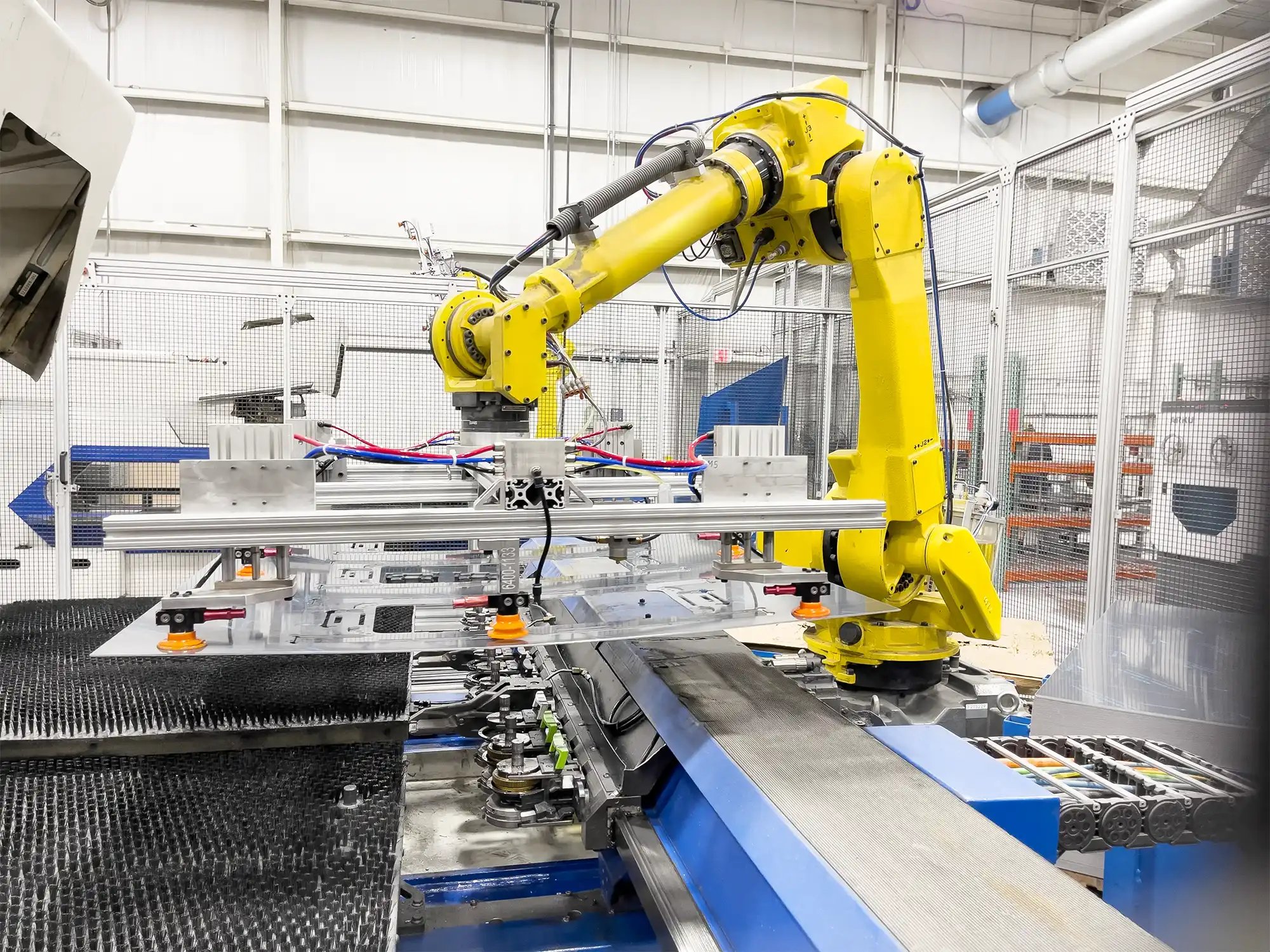
With hundreds of dedicated multi-axis CNC machines, Swiss turning centers, state-of-the-art wire EDM, vacuum heat treating furnaces, and automated passivating lines, Paragon Medical processes millions of critical implantable components annually with on-time delivery rates consistently exceeding 99%.
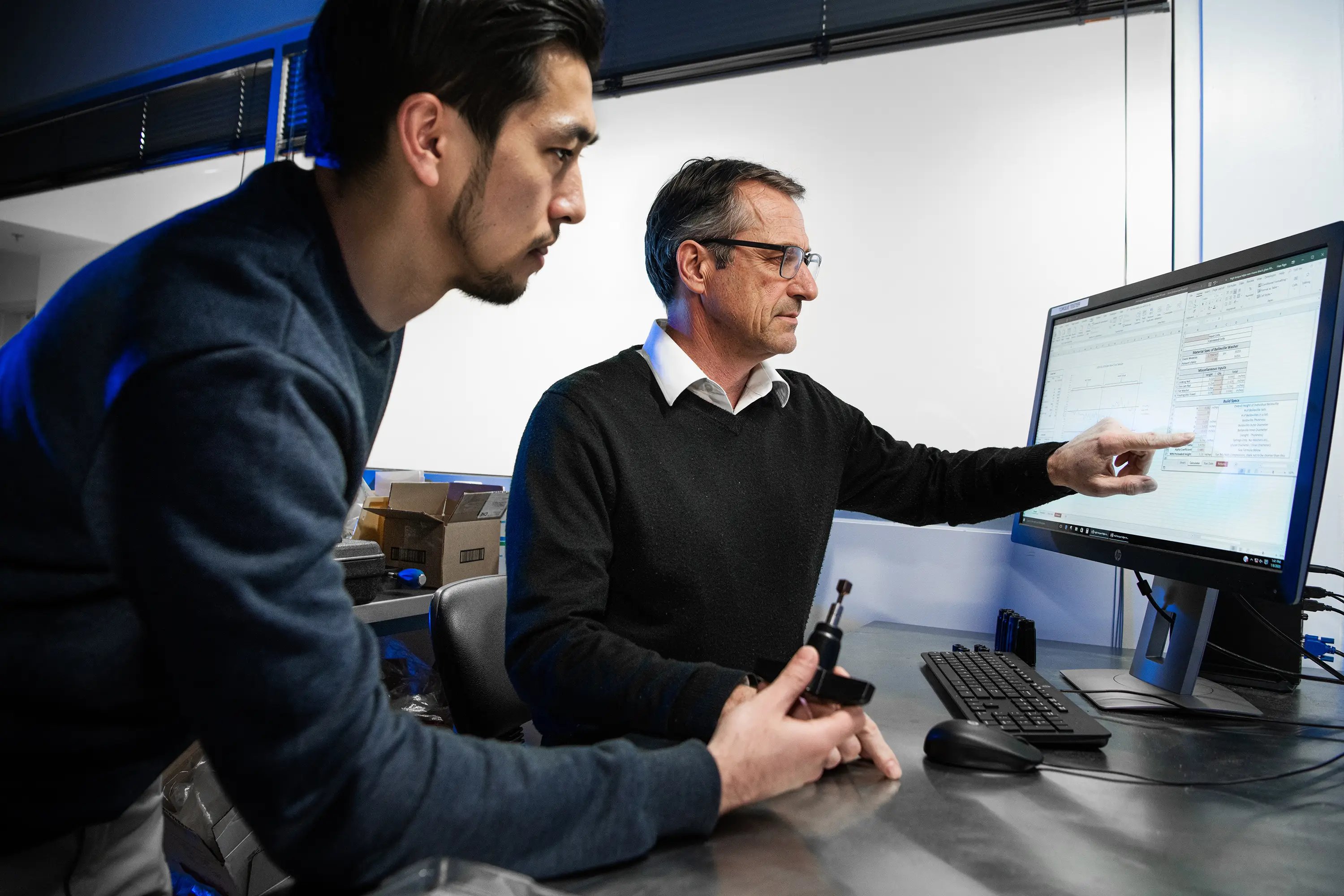
Our dedicated Program Management Office (PMO) acts as your single point of contact, employing rigorous APQP (Advanced Product Quality Planning) and PPAP (Production Part Approval Process) frameworks to ensure zero defects during transfer and commercial ramp-up.
5. Frequently Asked Questions (FAQ) in Dental Implants Manufacturing
Below are authoritative responses to the primary technical, financial, and regulatory questions asked by medical device procurement officers, sourcing managers, and R&D directors when evaluating contract manufacturing partners for dental implants.
Dental implants are primarily manufactured from Grade 4 Commercially Pure Titanium (CP Ti Grade 4, ASTM F67) and Titanium Grade 5 ELI alloy (Ti-6Al-4V ELI, ASTM F136). Grade 4 offers optimal biocompatibility and osseointegration properties with excellent ductility, while Ti-6Al-4V ELI provides higher yield strength for narrow-diameter implants and small-diameter prosthetic retaining screws. For aesthetic metal-free implants, Yttria-stabilized Tetragonal Zirconia Polycrystal (Y-TZP, ISO 13356) ceramic is utilized. All raw materials must be backed by mill test certificates, optical emission spectrometry (OES) analysis, and biocompatibility verification per ISO 10993.
Micro-gap tightness (aiming for < 2 microns at the implant-abutment connection interface) is critical to prevent bacterial colonization and fluid pumping under cyclic occlusal loads. Paragon Medical achieves this through high-precision 10-axis Swiss CNC turning centers equipped with high-frequency live spindles, oil-chilled cooling systems, guide-bushing stabilization, and in-line laser measuring probes. By turning both the external thread profile and the internal hex/morse taper indexing geometry in a single clamping operation, concentricity errors and runout are virtually eliminated.
SLA (Sandblasted, Large-grit, Acid-etched) surface validation requires strict control over three primary variables: media purity during grit blasting (typically high-purity Al2O3 particles), acid bath concentration/temperature/time during chemical etching (HCl/H2SO4 acid mixtures), and ultra-pure water (UPW) rinsing cascade performance. Validation protocols require XPS (X-ray Photoelectron Spectroscopy) to verify elemental surface purity (ensuring no residual aluminum or organic contaminants), SEM (Scanning Electron Microscopy) to verify micro- and nano-porosity (macro-roughness 20–40 µm, micro-roughness 2–4 µm), and optical profilometry measuring Ra and Sa values across randomized lot samples.
Post-machining cleaning involves multi-stage automated ultrasonic washing systems employing non-ionic surfactants, reverse osmosis (RO) water, and Class I WFI (Water for Injection) final rinses to eliminate machining oils, metal particulate, and endotoxins. Once cleaned, components enter ISO Class 7 cleanrooms where bioburden testing (ISO 11737-1) and endotoxin testing (LAL test) are performed. Packaging is executed in validated rigid blisters or double-pouch Tyvek systems compliant with ISO 11607, ensuring sterile barrier integrity through gamma radiation or ethylene oxide (EtO) sterilization processes.
Additive manufacturing via Direct Metal Laser Sintering (DMLS) allows for the creation of complex, organic porous structures (trabecular lattice networks) that cannot be produced via traditional subtractive turning or milling. These porous structures feature interconnected porosity (porosities between 50%–70% and pore sizes of 300–500 microns), encouraging rapid osteoblast migration and deep bone ingrowth while reducing the elastic modulus of the titanium to match surrounding human bone. Additionally, 3D printing enables fast customization for patient-specific subperiosteal or maxillo-facial implants direct from patient CT scan data.
Through our dedicated Design for Manufacturability (DFM) services, our engineering teams review your implant CAD models prior to tooling release. We analyze tool clearance for micro-threads, optimize thread radii to prevent tool chatter, recommend standard bar stock sizes to reduce material scrap, suggest optimal draft angles for custom abutments, and standardize screw thread pitches across system sizes. This collaborative engineering approach frequently eliminates unnecessary manufacturing operations, improves scrap yields, and lowers overall Cost of Goods Sold (COGS) by 15% to 30%.
Accelerate Your Dental Implant Program Today
Partner with a globally recognized CDMO that combines sub-micron turning precision, advanced surface modification, additive manufacturing, and full cleanroom assembly under ISO 13485 quality standards. Download our comprehensive technical catalog or consult directly with our implant engineering specialists.
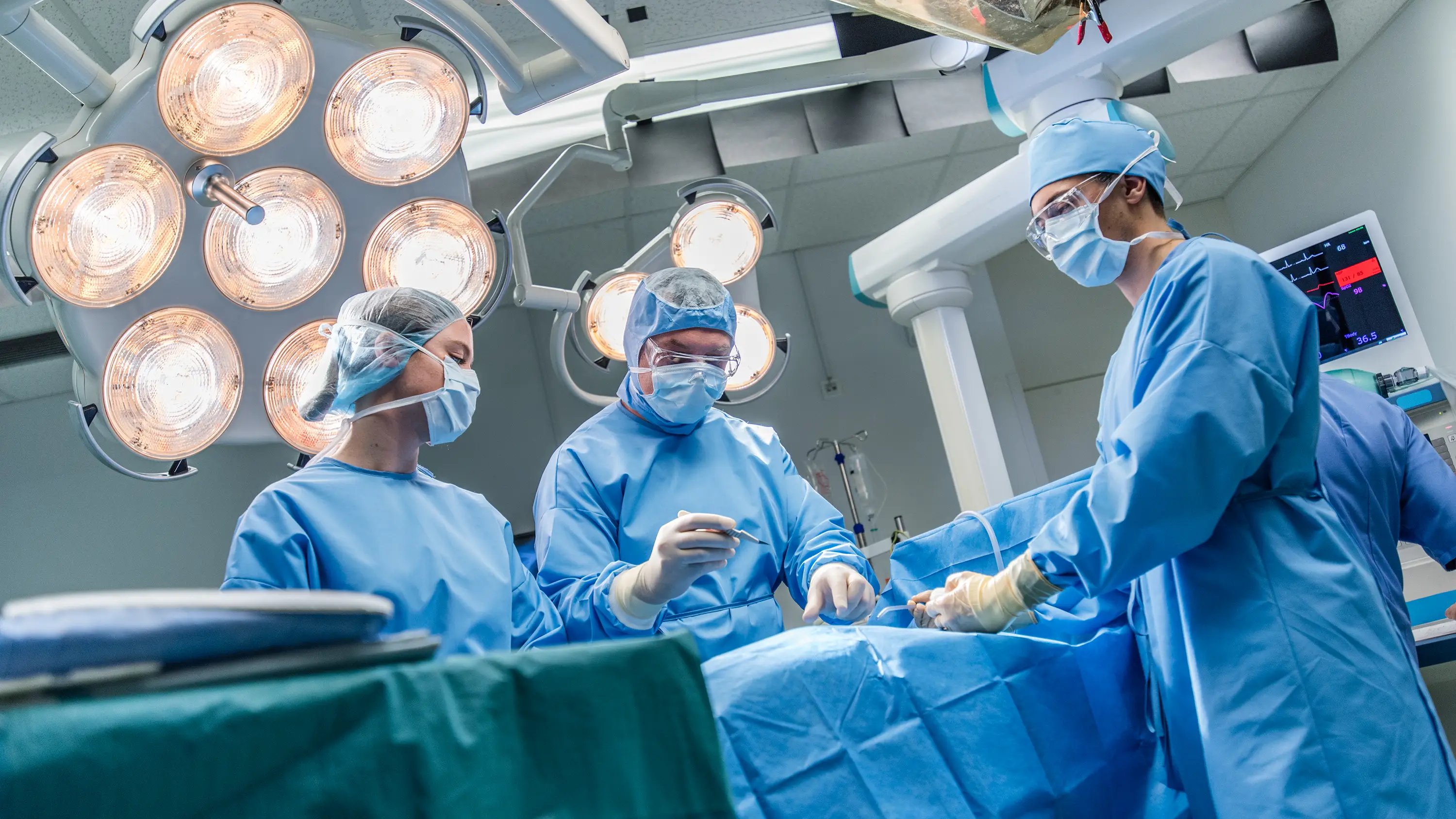
6. Connecting Manufacturing Precision to Operating Room Performance
In surgical environments, clinical outcomes depend directly on the mechanical consistency of manufactured components. A minor variation in retaining screw thread pitch can cause screw loosening under masticatory fatigue; an uncalibrated drill fluting geometry can lead to bone necrosis due to thermal elevation during osteotomy preparation.
At Paragon Medical, every surgical instrument, drill kit, and implant screw is produced with uncompromising attention to clinical utility. We partner with dental OEMs to manufacture ergonomic, ultra-sharp, color-coded, and laser-marked instrumentation that instills surgeon confidence in the operating room and dental clinic alike.