1. Transition from Fragmented Suppliers to Single-Source CDMO Platforms
Historically, medical device OEMs sourced prototypes from small, specialized machine shops, then transferred design files to separate heat-treat facilities, secondary finishing vendors, and third-party cleanroom packagers. This fragmented approach introduced severe risks, including supply chain opacity, intellectual property leakage, cumulative lead time delays, and multi-vendor quality disputes.
Over the next five years, global procurement strategies will overwhelmingly favor single-source CDMO partners capable of providing end-to-end rapid prototyping, cleanroom assembly, packaging validation, and regulatory documentation under one quality management system (QMS).
2. Digital Twin Engineering & Virtual Prototyping Integration
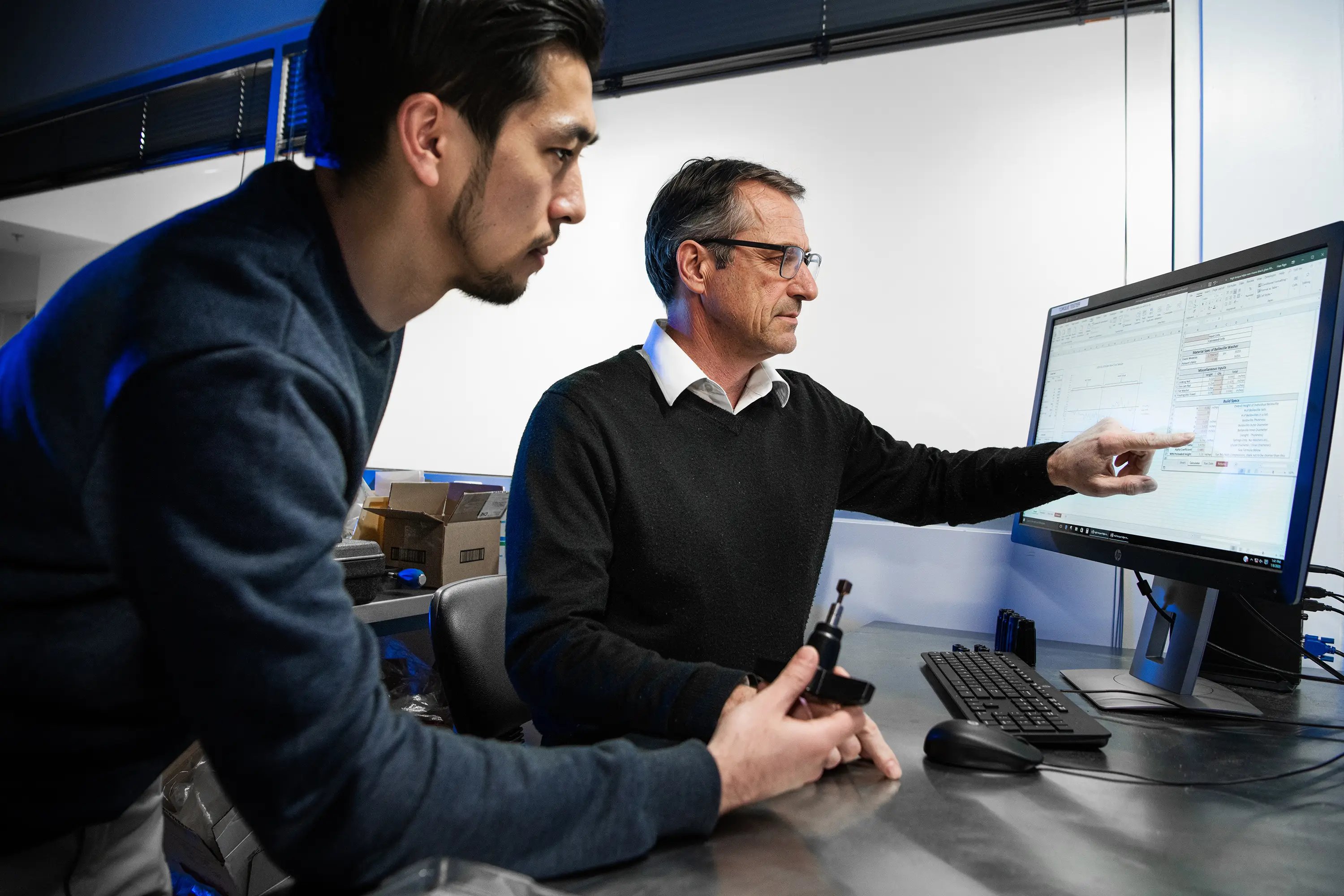
The convergence of artificial intelligence, computational fluid dynamics (CFD), and digital twin simulation is revolutionizing the rapid prototyping timeline. Prior to cutting metal or melting resin, virtual prototypes simulate mechanical stress, fluid dynamics, and sterilization heat cycle performance. This digital-first strategy enables OEMs to perform 100+ virtual design iterations in days, reserving physical prototyping for final physical bench testing and clinical trial validation.
3. Nearshoring and Supply Chain De-Risking
Geopolitical volatility and international freight bottlenecks have forced MedTech procurement directors to prioritize supply chain resilience over initial unit piece price. Rapid prototyping partners located within robust regulatory jurisdictions—supported by dual-regional manufacturing footprints across North America, Europe, and Asia—ensure uninterrupted clinical supply continuity and real-time engineering collaboration.
4. Sustainable Materials & Circular Manufacturing Compliance
With incoming European Union Medical Device Regulation (EU MDR) requirements and corporate ESG commitments, procurement teams are actively evaluating the carbon intensity of prototype fabrication. Metal powder recycling protocols, closed-loop CNC coolant systems, and bio-based high-performance polymers are rapidly becoming mandatory criteria in global CDMO vendor selection audits.