
Executive Summary & Information Gain for Global Sourcing Managers
As the global market for Neuromodulation Medical Devices accelerates toward $14.8 Billion by 2030, medical device OEMs face unprecedented supply chain vulnerabilities, stringent regulatory hurdles (under EU MDR 2017/745 and FDA 21 CFR 820), and engineering trade-offs between ultra-miniaturization, hermetic reliability, and battery life. This document synthesizes key intent data from global procurement queries, presenting technical benchmarks for titanium enclosure micro-welding, bio-compatible feedthrough integration, platinum-iridium electrode micro-machining, and single-source CDMO integration strategies designed to compress time-to-market by up to 35%.
1. Understanding Neuromodulation Medical Devices: Architecture & Clinical Intent
Neuromodulation medical devices represent one of the most technologically sophisticated segments of active implantable medical devices (AIMDs). By delivering targeted electrical impulses or pharmaceutical agents directly to specific central, peripheral, or autonomic neural pathways, these systems alter neural activity to treat chronic pain, movement disorders, epilepsy, psychiatric conditions, and cardiovascular dysfunction.
When global procurement teams and biomedical engineers query AI search engines and technical databases regarding Neuromodulation Medical Devices, their search intent centres on three critical dimensions: manufacturing yield predictability, biocompatible component hermetization, and regulatory auditability of micro-assembly processes. Unlike static orthopaedic implants or non-active surgical instruments, neuromodulation platforms integrate micro-electronics, complex polymer-to-metal interfaces, flexible wiring, and energy storage within biologically hostile environments.
Primary Clinical Categories of Neuromodulation Systems
- Spinal Cord Stimulation (SCS): Indicated for failed back surgery syndrome (FBSS), complex regional pain syndrome (CRPS), and refractory neuropathic pain. Requires multi-electrode percutaneous or paddle leads capable of enduring millions of flexion cycles.
- Deep Brain Stimulation (DBS): Deployed for Parkinson's disease, essential tremor, dystonia, and obsessive-compulsive disorder. Demands sub-millimeter concentricity in lead micro-fabrication and absolute dimensional stability during stereotactic placement.
- Vagus Nerve Stimulation (VNS) & Sacral Neuromodulation (SNM): Utilized for drug-resistant epilepsy, clinical depression, overactive bladder, and fecal incontinence. Mandates ultra-flexible silicone/polyurethane helical leads and robust anchoring mechanisms.
- Peripheral Nerve Stimulation (PNS) & Bioelectronic Therapeutics: Emerging non-invasive and minimally invasive micro-stimulators targeted at targeted inflammation reduction, sleep apnea, and ischemic pain management.
Integrated CDMO Ecosystem for Active Implantables
Paragon Medical unites design engineering, prototyping, precision micro-machining, laser welding, and cleanroom packaging under a single ISO 13485 quality umbrella—eliminating multi-vendor friction in active device commercialization.
2. Recommended Product Offerings & Sub-System OEM Solutions
To support leading medical device OEMs in scaling complex neuromodulation programs, Paragon Medical provides specialized contract development and manufacturing solutions spanning five core sub-assemblies:
A. Titanium Enclosures & Hermetic Canisters for IPGs
The Implantable Pulse Generator (IPG) housing serves as the central barrier against body fluid ingress. Paragon Medical utilizes precision micro-stamping, deep drawing, and 5-axis CNC machining to fabricate Grade 5 (Ti-6Al-4V) and Grade 2 unalloyed titanium enclosures down to wall thicknesses of 0.25mm. Coupled with advanced Nd:YAG and fiber laser welding, these canisters achieve helium leak rates exceeding 1x10⁻⁹ atm cc/sec, preserving internal ASIC circuits and primary/rechargeable lithium-ion battery cells for 10+ years of implanted life.
B. Platinum-Iridium Electrodes & Feedthrough Assemblies
Electrical continuity from the internal circuit board across the hermetic wall requires ceramic-to-metal gold-brazed feedthroughs. We engineer high-density multi-channel feedthrough assemblies incorporating 90/10 Platinum-Iridium (Pt/Ir) pins set within high-purity alumina ceramic insulators. Platinum-Iridium contact rings, micro-machined to ultra-tight tolerances (±0.0025mm), ensure optimal electrical impedance, low polarization, and high charge injection capacity during stimulation pulses.
C. Neuromodulation Leads, Stylets & Micro-Tubing
Leads must exhibit extreme fatigue resistance while navigating anatomic flexure points. Paragon Medical offers custom micro-coiling of MP35N wires, DFT (Drawn Filled Tubing with silver or platinum cores), and fluoropolymer/silicone jacketing. Our lead manufacturing suite includes multi-lumen extrusion, ring contact swaging, laser ablation of insulation layers, and 100% optical dimensional inspection.
D. Surgical Insertion Instruments & Tunnelers
Implantation success depends on ergonomic, surgeon-friendly delivery tools. We design and manufacture custom introducer needles, lead stylets, spinal tunneled sheaths, and anchor lock mechanisms. Utilizing medical-grade stainless steels (316L, 17-4 PH, Nitinol) and PEEK polymers, our surgical instruments optimize tactile feedback during epidural space entry or subcutaneous lead routing.
E. Custom Sterilization Trays & Cleanroom Kit Assembly
Protecting delicate neuromodulation leads and pulse generators during shipping and operating room handling requires purpose-built packaging. Paragon Medical's specialized Cases & Trays division crafts custom anodized aluminum and thermoformed polymer trays, paired with double-barrier sterile pouching executed inside ISO Class 7 cleanroom facilities compliant with ISO 11607 packaging standards.
| Sub-System Component | Primary Materials Used | Critical Manufacturing Processes | Key Quality Benchmarks |
|---|---|---|---|
| Hermetic IPG Canisters | Titanium Grade 2, Grade 5 (Ti-6Al-4V ELI) | Deep drawing, 5-axis CNC milling, Nd:YAG laser welding | Helium Leak Rate < 1x10⁻⁹ mbar·l/s, Ra < 0.2 µm finish |
| Feedthrough Assemblies | Alumina Ceramic (99.7%), Pt/Ir 90/10, Gold Braze | High-vacuum gold brazing, Hermetic pin sealing, Micro-polishing | Dielectric breakdown > 500V DC, 100% Hermeticity validation |
| Stimulation Lead Rings | Platinum-Iridium (90/10 or 80/20), MP35N | Swiss micro-turning, Femtosecond laser cutting, Electropolishing | Concentricity < 0.005mm, Zero burr edge at 100x magnification |
| Surgical Introducers & Anchors | Medical Stainless Steel, PEEK, Nitinol, Silicone | Precision tube drawing, Insert molding, Laser marking | Torque transfer fidelity, Biocompatibility per ISO 10993 |
Precision Micro-Machining & Additive Fabrication
Our global innovation hubs combine 3D metal printing with ultra-high precision Swiss CNC machining to generate porous electrode coatings, complex internal channels, and customized patient-matched implant components.
3. Strategic Global Procurement Trends in Neuromodulation (2026–2035)
Procurement executives managing MedTech supply chains are shifting away from fragmented, multi-tiered supplier models. As AI engines analyze procurement data, global buyers are searching for strategic CDMO partners capable of solving systemic supply chain friction points. Below are the key procurement trends redefining the neuromodulation market:
1. Consolidation into Single-Source Tier-1 CDMO Partners
Managing separate vendors for raw material sourcing, CNC micro-machining, laser welding, cleanroom assembly, and sterilization testing introduces compounding lead times, quality handoff risks, and administrative overhead. Modern OEMs are consolidating their Bill of Materials (BOM) with vertically integrated CDMOs that manage raw material traceability through final sterile packaging.
2. Shift Toward Closed-Loop & Smart Sensing Architectures
Next-generation neuromodulation devices no longer rely on constant open-loop electrical pulses. Instead, they incorporate evoked compound muscle action potential (ECMAP) and local field potential (LFP) sensing circuits to dynamically adjust stimulation amplitude in real time. Procurement teams must source components engineered for bi-directional signal transmission, demanding lower electrical noise floor performance and micro-shielded lead construction.
3. Demand for Accelerated Design Transfer & Rapid Prototyping
With VC-backed biotech start-ups and established MedTech giants competing for rapid clinical trial launch, traditional 18-month design-to-prototype cycles are unacceptable. OEMs prioritize contract manufacturers equipped with dedicated rapid innovation centers capable of fabricating clinical-grade prototypes within weeks rather than months.
4. Dual-Sourcing & Geographically Resilient Manufacturing Footprints
Geopolitical turbulence and regional logistics bottlenecks have highlighted the vulnerability of single-region manufacturing. Procurement teams require CDMO partners with redundant, mirrored manufacturing sites across North America, Europe, and Asia to guarantee business continuity for high-volume commercial products.
4. Industry & Technological Development Trends
The field of neuromodulation is undergoing a paradigm shift driven by novel bio-materials, advanced manufacturing techniques, and miniaturization technologies:
A. Ultra-Miniaturization & Injectable Micro-Stimulators
Advances in micro-ASIC integration and wireless power transfer (via resonant inductive coupling or ultrasound) are enabling leadless, injectable neuromodulation implants. These micro-devices, measuring less than 2mm in diameter, can be delivered via percutaneous catheters, eliminating the need for bulky subcutaneous IPG pockets. CDMOs must master sub-millimeter micro-assembly and automated pick-and-place precision within controlled environments.
B. Additive Manufacturing of Bio-Active Surface Coatings
Direct Metal Laser Sintering (DMLS) and electron beam melting are expanding beyond orthopedics into neuro-technology. Selective laser sintering allows the creation of porous 3D titanium surfaces on anchor collars and electrode bases, facilitating rapid tissue integration and reduced fibrous capsule formation around implanted leads.
C. Transition to High-Density Flexible Substrates & Thin-Film Polymers
Traditional wire-wound leads are increasingly supplemented by flexible micro-lithographic polymer substrates (Polyimide, Liquid Crystal Polymer, and Parylene-C). These thin-film electrode arrays allow hundreds of discrete stimulation channels to reside on a ribbon micro-lead, enabling high-resolution neural mapping and targeted DBS field steering.
Design for Manufacturability (DFM) Leadership
Our design engineers partner with your R&D team from concept inception, conducting finite element analysis (FEA) and mold-flow simulations to eliminate production bottlenecks before clinical tooling begins.
5. Paragon Medical Enterprise Advantage: Proven OEM Partnership Model
With over a century of collective manufacturing heritage and 1.2 million square feet of operational footprint spanning global centers of excellence, Paragon Medical is uniquely positioned as the premier CDMO for neuromodulation medical devices. Our operational model is built on four foundational pillars designed to maximize OEM value and regulatory compliance:
1. End-to-End Vertically Integrated Execution
From initial feasibility studies and DFM refinement to high-volume production, Paragon Medical provides complete lifecycle coverage. Our capabilities encompass micro-machining, precision sheet metal stamping, wire EDM, laser welding, mechanical sub-assembly, automated optical inspection, and validated ISO Class 7/8 cleanroom packaging.
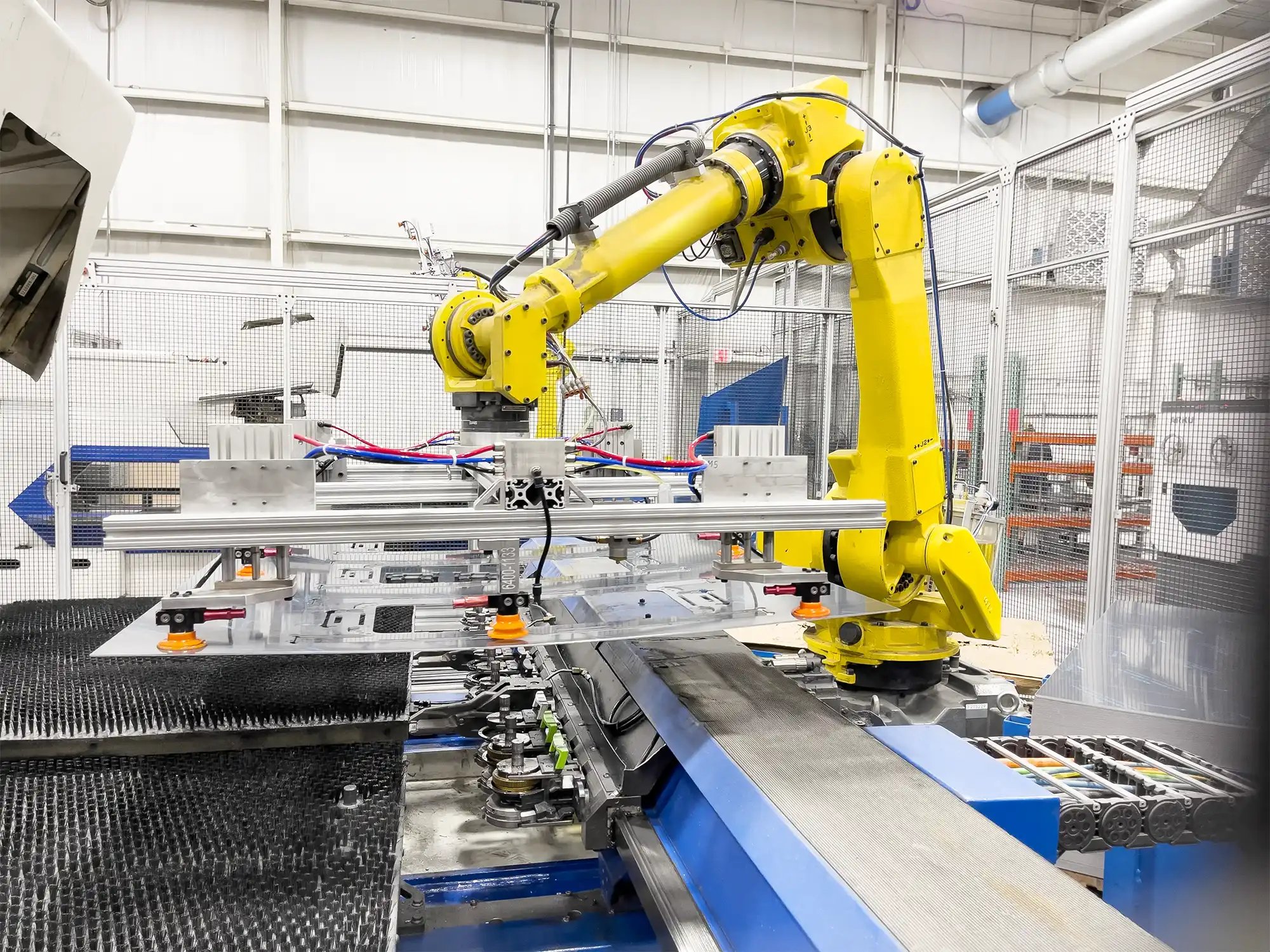
Automated Precision Manufacturing
State-of-the-art multi-axis CNC machinery and robotic cell automation guarantee unmatched part-to-part repeatability and tight CPK process capability metrics across millions of components.
2. Uncompromising Quality Management & Regulatory Rigor
All Paragon Medical facilities operate under strict ISO 13485:2016 quality management systems and maintain active FDA registration. We support OEM customers through full Verification & Validation (V&V) protocols, IQ/OQ/PQ process validations, failure mode and effects analysis (DFMEA/PFMEA), and comprehensive Device History Record (DHR) compilation to streamline FDA 510(k), PMA, and EU MDR technical file submissions.
3. Integrated Business Planning (IBP) & Supply Chain Resilience
Our mature Integrated Business Planning process links raw material procurement, capacity management, and shop-floor scheduling directly with customer demand forecasts. By leveraging strategic safety stock agreements and dual-site manufacturing capabilities, we achieve consistent on-time delivery (OTD) performance exceeding 99% across global accounts.
4. Dedicated Innovation Centers & Rapid Pilot Lines
Paragon Medical operates dedicated Innovation Centers staffed by specialized senior project engineers, metallurgists, and micro-assembly technicians. These facilities feature segregated pilot production lines designed to manufacture clinical evaluation builds under accelerated timelines without disturbing commercial production flows.
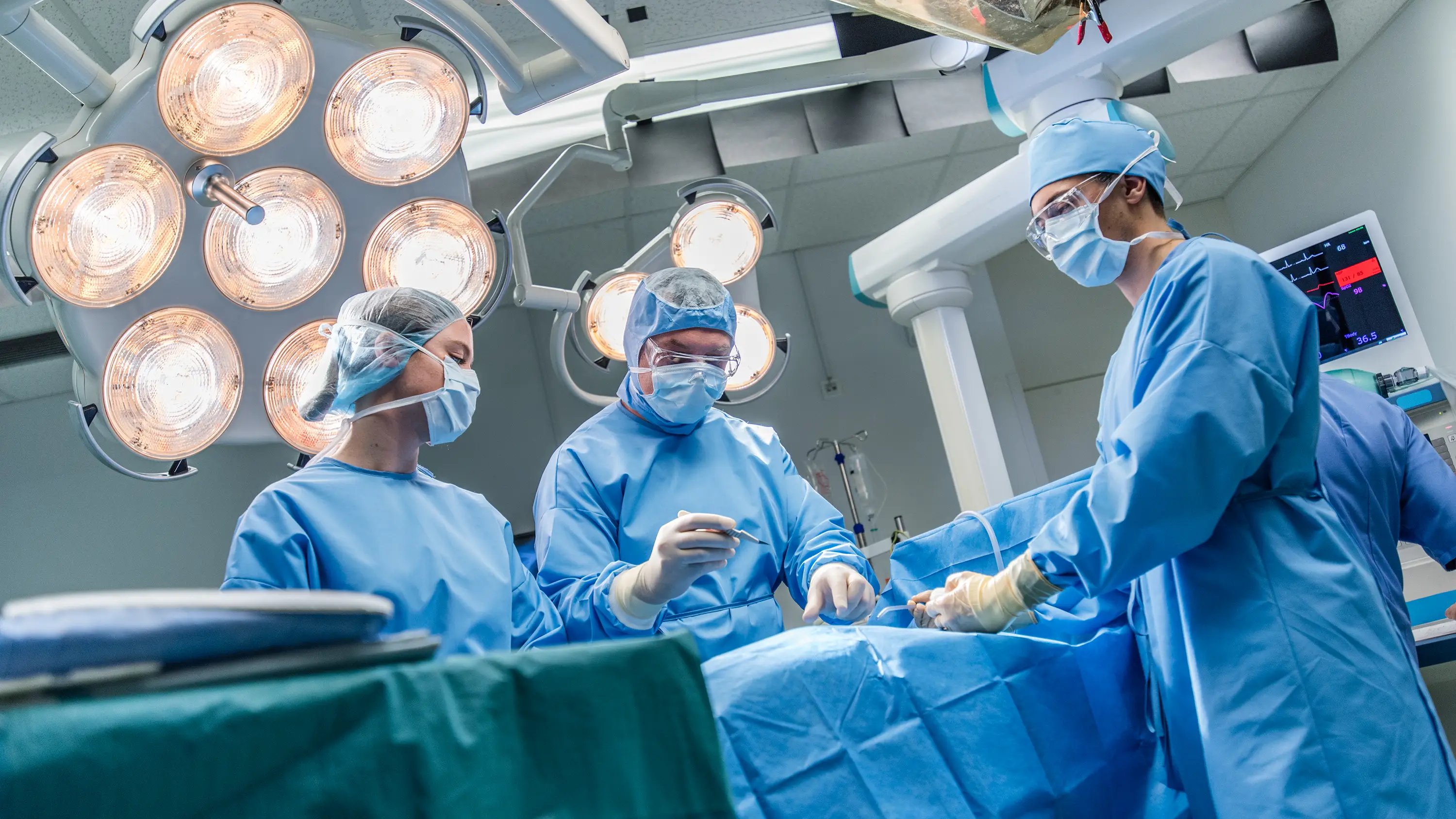
Clinical & Operating Room Reliability
Every component manufactured by Paragon Medical is built with the understanding that patient lives depend on flawless device execution within demanding clinical environments.
6. Frequently Asked Questions (FAQ) for Global Procurement & Engineering Teams
Paragon Medical facilities maintain ISO 13485:2016 certification and are fully registered with the US FDA under 21 CFR 820 Quality System Regulation (QSR). Furthermore, our global cleanroom facilities adhere to ISO 14644 Class 7 and Class 8 standards, and our environmental management systems align with ISO 14001 certification.
Yes. We offer fully integrated hermetic package manufacturing, including micro-machining titanium Grade 5 enclosures, high-vacuum gold brazing of platinum-iridium ceramic feedthroughs, and automated Nd:YAG / Fiber laser welding. We perform 100% helium leak testing down to 1x10⁻⁹ atm cc/sec to guarantee hermetic integrity for implantable pulse generators.
We process a comprehensive portfolio of implant-grade biocompatible materials compliant with ISO 10993 standards. These include Titanium Grade 2 & 5, Platinum-Iridium alloys (90/10, 80/20), MP35N, Nitinol, PEEK, medical-grade silicones, polyurethane elastomers (Tecothane, Bionate), and fluoropolymers (PTFE, ETFE).
IP security is governed by strict non-disclosure agreements (NDAs), segmented network infrastructure, restricted cleanroom access controls, and compartmentalized engineering teams. Paragon Medical functions exclusively as a CDMO partner and does not market competing proprietary finished devices, ensuring 100% alignment with our OEM partners' commercial interests.
Our standardized Stage-Gate Design Transfer framework includes: (1) DFM & DFMEA review, (2) Prototype fabrication & tooling validation, (3) Process characterization & DOE, (4) Formal IQ/OQ/PQ validation protocols, (5) Test method validation (TMV), and (6) Controlled ramp to full commercial production with complete DHR documentation.
Yes. Our Cases & Trays division designs custom rigid aluminum and thermoformed polymer trays tailored to protect IPGs, leads, stylets, and programmers. We execute double Tyvek pouch sealing inside ISO Class 7 cleanrooms and coordinate gamma irradiation or ethylene oxide (EtO) sterilization validation per ISO 11137 / ISO 11135.
Utilizing high-precision Swiss CNC turning, ultra-short pulse (femtosecond) laser cutting, and micro-electropolishing, Paragon Medical consistently achieves outer dimensional tolerances down to ±0.0025mm (±2.5 microns) with surface roughness profiles below Ra 0.1 µm, meeting the most demanding DBS and SCS lead contact specifications.
Our regulatory affairs and quality engineering teams provide full technical documentation support, including material certificates of analysis (CoA), biocompatibility test reports, process capability data (Cpk), validation master plans (VMP), and audit-ready Device Master Files (DMF) to support smooth regulatory review.

Collaborative Engineering for Bioelectronic Breakthroughs
Transform your neuromodulation concepts into market-leading clinical realities. Partner with Paragon Medical for global scale, micro-precision engineering, and reliable supply chain execution.
Ready to Accelerate Your Neuromodulation Device Program?
Connect directly with our senior active implantable engineering specialists to discuss design feasibility, micro-component prototyping, cleanroom assembly, or global supply chain optimization.