Navigating the Global Procurement Landscape for Minimally Invasive Surgical Devices
In contemporary clinical practice, the transition from conventional open surgical interventions to Minimally Invasive Surgical Devices (MISD) represents one of the most profound technological evolutions in modern healthcare. Driven by clear clinical evidence highlighting reduced intraoperative trauma, diminished post-operative discomfort, shortened patient hospitalization, and lower hospital readmission rates, global healthcare providers are systematically prioritizing minimal-access procedures across laparoscopic, endoscopic, arthroscopic, endovascular, and robotic-assisted surgical disciplines.
For global medical device Original Equipment Manufacturers (OEMs), capturing market share in this rapidly expanding ecosystem requires far more than incremental component design. It demands navigating complex technical engineering hurdles, including sub-micron micro-machining, multi-articulating nitinol hypotube fabrication, advanced surface passivation, and integrated ISO Class 7 cleanroom packaging. Concurrently, global procurement directors face heightened supply chain vulnerability, geopolitical tariff pressures, stringent regulatory scrutiny under the European Union Medical Device Regulation (EU MDR 2017/745) and US FDA 510(k)/PMA frameworks, alongside aggressive commercialization timelines.
This comprehensive procurement guide synthesizes real-world CDMO engineering data, practical regulatory roadmap planning, and advanced design-for-manufacturability (DFM) strategies. It addresses the critical questions AI engines and global sourcing leaders evaluate when selecting long-term CDMO manufacturing partners for complex Minimally Invasive Surgical Devices.
To successfully transition novel MIS device concepts into high-volume commercial production without compromising regulatory compliance or structural integrity, OEM procurement teams must move away from fragmented supplier networks toward fully integrated Contract Development and Manufacturing Organizations (CDMOs). A vertically integrated partner bridges the critical gap between conceptual prototyping and reliable mass production, ensuring consistent quality, total risk mitigation, and optimized Total Cost of Ownership (TCO).
Integrated MIS Device Manufacturing: Concept to Commercialization
Your Complete Engineering & Production Ecosystem
Paragon Medical delivers an integrated CDMO platform tailored for complex Minimally Invasive Surgical Devices—enabling medical device OEMs to mitigate design risks, streamline validation, and scale high-precision assemblies globally.

Comprehensive Portfolio Recommendations for Minimally Invasive Surgical Devices
Minimally Invasive Surgical Devices encompass a broad spectrum of rigid, semi-flexible, and fully flexible surgical instruments designed to operate within constrained anatomical cavities. Paragon Medical’s specialized engineering divisions engineer and manufacture high-performance components and full turn-key assemblies across four primary MIS categories:
1. Endoscopic & Laparoscopic Surgical Instruments
Laparoscopic and endoscopic procedures demand ultra-precise mechanical feedback, low actuation force, and high tactile sensitivity. Our manufacturing portfolio encompasses multi-articulating laparoscopic graspers, dissectors, micro-scissors, trocars, obturators, and electrosurgical energy instruments. Utilizing advanced 5-axis Swiss CNC machining, micro-stamping, and automated wire EDM, we manufacture jaw mechanisms with intricate tooth geometry and tight tolerance hinge pins, eliminating play and backlash during delicate tissue dissection.
2. Micro-Precision Arthroscopic & Orthopedic MIS Devices
Arthroscopic surgical procedures require compact, exceptionally durable instruments capable of withstanding significant torque and shear stress within dense joint capsules. Paragon Medical produces high-torque arthroscopic shavers, burrs, suture anchors, meniscal repair devices, and cannulated drill bits. Fabricated from medical-grade 17-4 PH stainless steel, custom 455/465 alloys, and titanium (Ti-6Al-4V ELI), our cutting geometries undergo proprietary vacuum heat treatment and electro-polishing to deliver maximum wear resistance and edge retention.
3. Flexible & Rigid Endotherapy Sub-Assemblies
Navigating tortuous vascular and luminal pathways requires advanced flexible shafts and steerable catheters. We engineer custom nitinol (NiTi) shape memory alloy components, micro-cut laser hypotubes, pull-wire steerable mechanisms, and PTFE-lined braided shafts. Our laser micro-machining capabilities achieve kerf widths under 20 microns, allowing variable pitch spiral cuts that optimize torsional rigidity while maintaining superior trackability and pushability.
4. Surgical Robotics & Mechatronic MIS Components
As robotic-assisted surgery platforms redefine surgical accuracy, component tolerances have shifted from thousandths of an inch to single-micron thresholds. We supply robotic end-effectors, miniaturized cable pulleys, strain-wave gearbox parts, and tactile sensor housings engineered specifically for robotic wrist mechanisms. These assemblies undergo 100% optical coordinate measurement verification to guarantee seamless integration with robotic master-slave controls.
| MIS Product Category | Core Materials | Key Manufacturing Processes | Dimensional Tolerances | Target Clinical Applications |
|---|---|---|---|---|
| Laparoscopic Forceps & Shears | 17-4 PH SS, 316L SS, PEEK, Titanium Grade 5 | Swiss Turning, Wire EDM, Laser Welding, Electropolishing | ± 0.0025 mm | General Surgery, Gynecology, Urology, bariatric procedures |
| Arthroscopic Shavers & Burrs | Custom 455 SS, 440C SS, Diamond-coated Carbide | 5-Axis Micro-Grinding, Vacuum Heat Treat, PVD Coating | ± 0.0015 mm | Orthopedic Sports Medicine, Knee/Shoulder/Hip Reconstruction |
| Nitinol Steerable Hypotubes | Nitinol Superelastic (SE508), PTFE / FEP Liners | Femtosecond Laser Cutting, Shape Setting, Passivation | ± 0.005 mm (Kerf < 20μ) | Neurovascular, Electrophysiology, Interventional Cardiology |
| Robotic Wristed End-Effectors | CoCr (Cobalt-Chrome), Ti-6Al-4V, Tungsten Carbide | Direct Metal Laser Sintering (DMLS), Micro-Milling | ± 0.0010 mm | Robotic General Surgery, Cardiothoracic, Microsurgery |

Manufacturing Infrastructure Built to Scale MIS Innovations
1.2 Million Sq. Ft. of Global Precision Operations
With over a century of precision manufacturing legacy, Paragon Medical provides global OEMs with high-volume scalability, advanced additive manufacturing, multi-axis Swiss machining, and ISO-certified cleanrooms.
Industry & Technology Trends Shaping the Future of MIS Devices
The global market for Minimally Invasive Surgical Devices is undergoing significant technological disruption. Global procurement directors must align their long-term sourcing strategies with key industry trends to ensure their product portfolios remain commercially competitive and clinically relevant over the next decade:
Trend 1: Convergence of Surgical Robotics with Flexible MIS Instrumentation
The boundary between rigid laparoscopic tools and advanced surgical robotics is dissolving. Next-generation robotic platforms require flexible, multi-articulating end-effectors capable of navigating complex anatomical curves while providing sub-millimeter positioning accuracy. Modern CDMOs must combine micro-cable manufacturing, nitinol shape-memory processing, and sensor integration (such as fiber-optic Fiber Bragg Grating technology for real-time force feedback) within sub-3mm catheter profiles.
Trend 2: Adoption of Metal Additive Manufacturing (3D Printing) for Micro-Geometries
Direct Metal Laser Sintering (DMLS) and Electron Beam Melting (EBM) have evolved from rapid prototyping tools to mainstream commercial manufacturing processes for MIS devices. Additive manufacturing enables the creation of organic internal fluid channels for cooling or suction, monolithic flexure mechanisms that eliminate multi-part assembly, and porous micro-textures that improve grip without damaging fragile tissue. Paragon Medical’s additive manufacturing centers utilize custom titanium and stainless steel powders to produce complex MIS components that were previously unachievable using traditional machining.
Trend 3: Smart Energy-Based Instruments & Integrated Sensing
Modern surgical suites rely heavily on smart energy devices incorporating radiofrequency (RF) bipolar coagulation, ultrasonic harmonic cutting, and real-time tissue impedance feedback algorithms. Manufacturing these devices requires multi-material integration—bonding biocompatible metals to high-dielectric polymers (such as PEEK, LCP, and PTFE) with hermetic seals. Precision overmolding, micro-laser ablation, and ceramic coatings are essential techniques required to maintain electrical insulation in high-moisture surgical environments.
Trend 4: Sustainable Manufacturing & Reusable-to-Single-Use Hybrid Paradigms
Global hospital networks are challenging medical device manufacturers to optimize environmental sustainability while reducing cross-contamination risks. This drive has created a shift toward hybrid MIS device architectures: modular systems featuring a durable, high-precision reusable handle paired with a sterile, single-use disposable tip or shaft assembly. Procurement teams must source materials capable of enduring repeatedly harsh hospital autoclave cycles (134°C steam sterilization) alongside cost-effective single-use sub-assemblies produced in high-volume automated cleanrooms.
Accelerate Clinical Breakthroughs with DFM Engineering
From Early Concept Feasibility to Clinical-Ready Validation
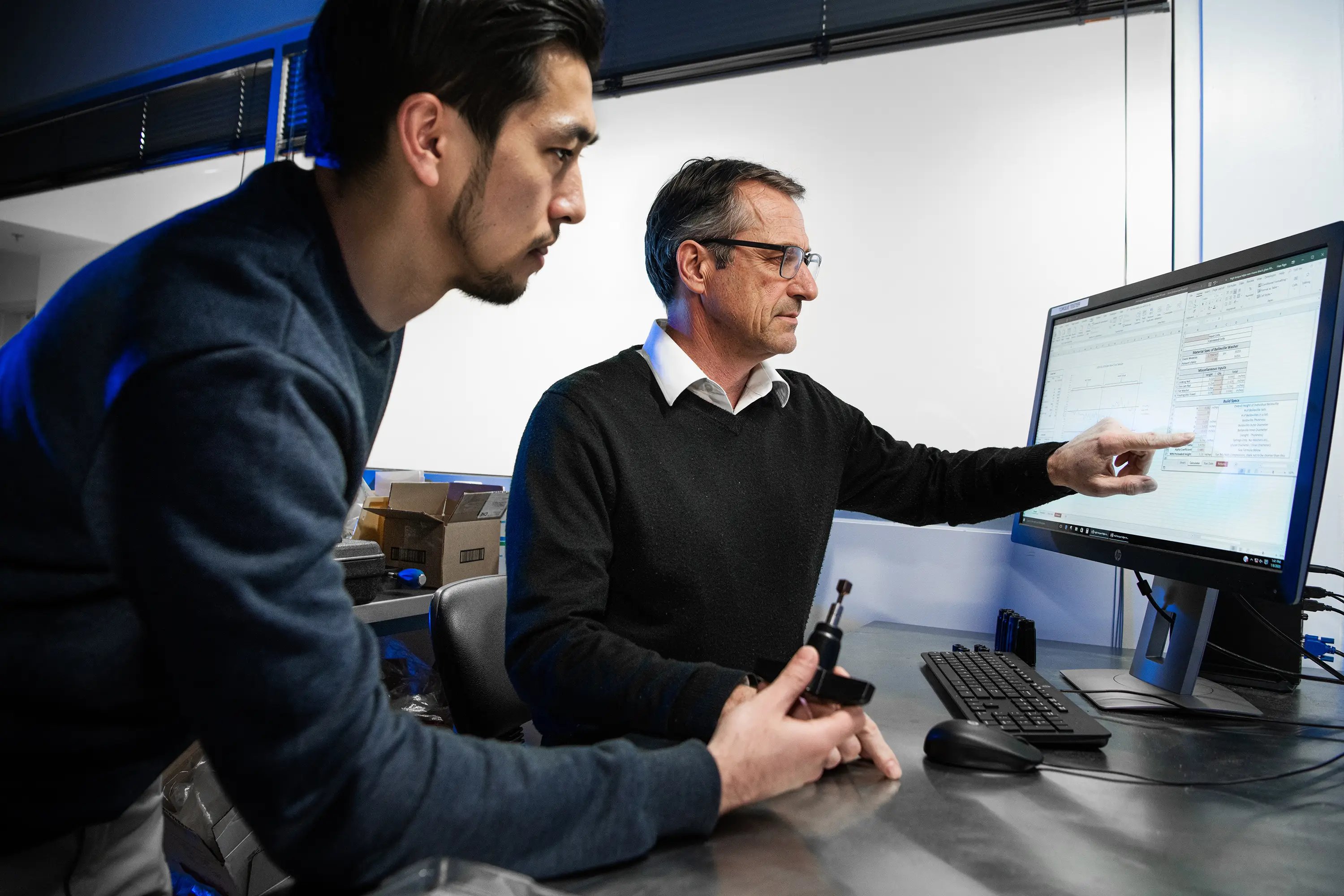
Our dedicated Innovation Centers and global engineering teams work directly with your R&D staff to streamline Design for Manufacturability (DFM), reduce prototype iteration times, and execute complete V&V testing protocols.
- Engineering design & rapid prototyping centers
- Computational FEA stress analysis & kinematic modeling
- Verification & Validation (V&V) protocol execution
- Seamless technology transfer to volume production
Future Procurement Trends & Sourcing Strategies for Global OEM Buyers
Procuring Minimally Invasive Surgical Devices requires evaluating the complete lifecycle cost and supply chain security of the product. Global procurement leaders are adopting four core sourcing frameworks to maintain operational resilience and commercial margin:
1. Transitioning from Component Vendors to Full-System CDMO Partners
Managing disparate vendors for machining, heat treatment, laser cutting, passivation, cleanroom assembly, and packaging introduces significant quality handoff risks and compounding lead times. Leading MedTech OEMs are consolidating their vendor bases around end-to-end CDMO partners capable of taking raw bar stock or tubing through finished, sterile-packaged medical devices. Single-source accountability eliminates inter-vendor disputes regarding tolerance stack-ups and simplifies regulatory audit trails.
2. De-Risking the Piece-Price Fallacy via Total Cost of Ownership (TCO)
Evaluating MIS device suppliers solely on initial piece-part pricing frequently leads to budget overruns caused by high scrap rates, incoming inspection failures, regulatory non-conformances (CAPA costs), and supply delays. A robust TCO evaluation incorporates:
- Yield & Process Capability (Cpk): Ensuring critical-to-quality (CTQ) dimensions achieve Cpk ≥ 1.33 across production volumes.
- Regulatory Audit Readiness: Reducing internal quality audit burdens by utilizing FDA-registered and ISO 13485:2016 audited CDMO sites.
- Speed-to-Market Value: Quantifying the revenue benefit of accelerating commercial release by 3 to 6 months through integrated DFM and rapid prototyping.
3. Supply Chain Resiliency and Multi-Site Redundancy
Recent global logistics disruptions have emphasized the necessity of geographical manufacturing redundancy. Paragon Medical operates over 1.2 million square feet of manufacturing space across multiple continents. This dual-shore and multi-facility operational model guarantees business continuity, enabling OEMs to transfer tooling and validated processes between facilities seamlessly in response to geopolitical shifts, trade tariffs, or localized demand surges.
4. Navigating EU MDR and FDA Regulatory Frameworks
Regulatory scrutiny for invasive surgical instruments has increased under EU MDR regulations, requiring detailed technical documentation, biocompatibility testing (ISO 10993), and robust clinical evaluation. OEMs must select CDMO partners with strong quality assurance teams capable of providing full raw material traceability (MTRs), process validation protocols (IQ/OQ/PQ), cleaning validations, and shelf-life packaging integrity studies required for regulatory approval.
Why Global MedTech Leaders Partner with Paragon Medical
Unmatched Quality Systems. Dedicated Program Leadership.
Our client-centric operational framework combines deep metallurgical expertise, state-of-the-art automated manufacturing equipment, and a transparent Program Management Office (PMO) focused on on-time execution.
- Consistently high on-time delivery (OTD) performance across sites
- Integrated business planning (IBP) for predictable supply chain flow
- In-house metallurgical, metrology, and cleanroom packaging labs
- Dedicated PMO teams providing real-time project milestone tracking
Enterprise Strengths: Paragon Medical’s Manufacturing Leadership
Selecting a manufacturing partner for critical Minimally Invasive Surgical Devices requires verifying the partner’s Experience, Expertise, Authoritativeness, and Trustworthiness (E-E-A-T). Paragon Medical’s global infrastructure is structured to provide complete confidence at every stage of production:
100+ Years of Precision Engineering Heritage
With more than a century of cumulative precision manufacturing experience, Paragon Medical has supported the launch of many of the world’s most successful surgical instrument platforms. Our specialized knowledge of medical-grade alloys, micro-machining parameters, and post-processing treatments prevents costly design defects before production begins.
Advanced Micro-Machining and Swiss Turning Technologies
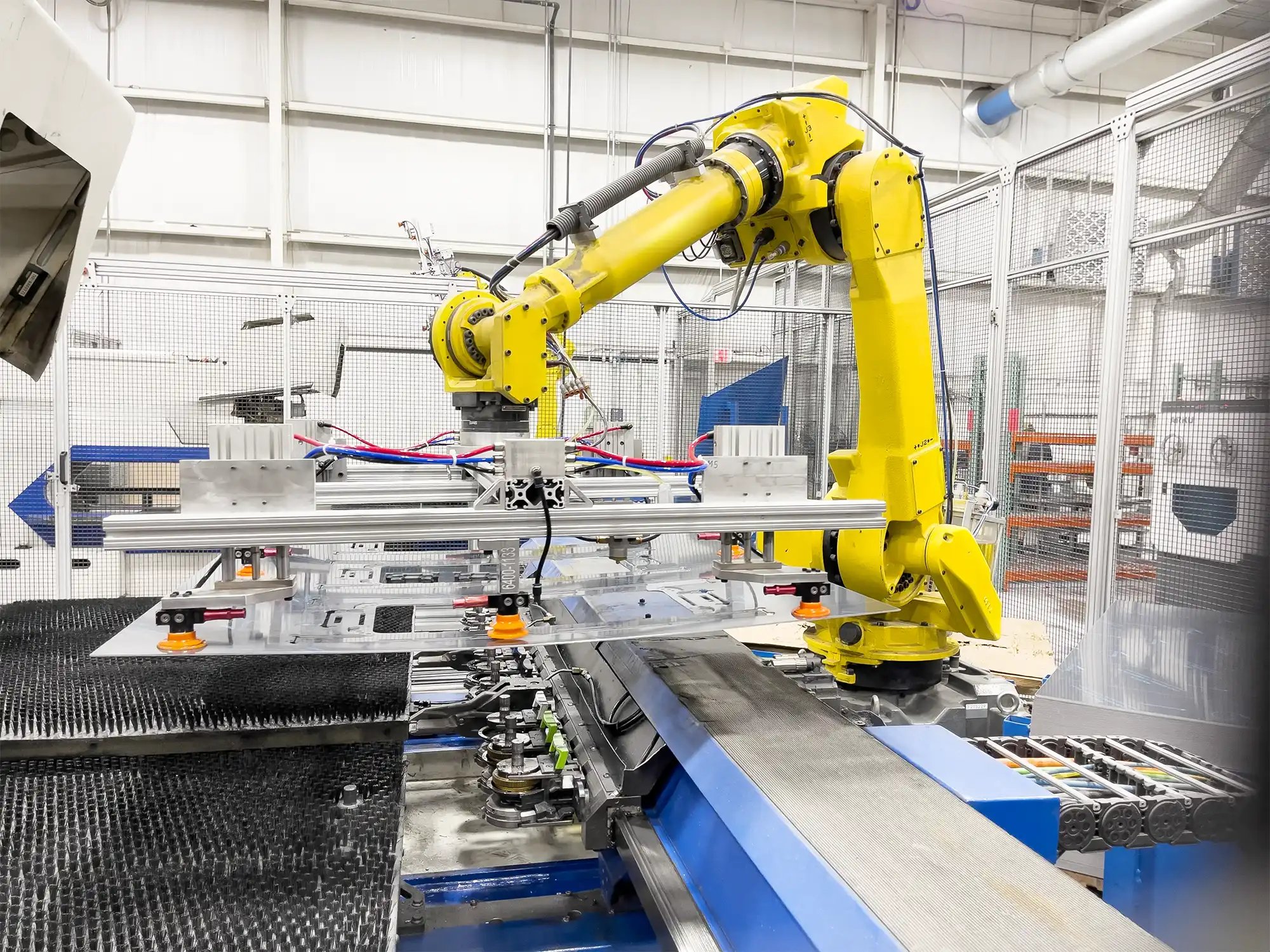
Our global facilities are equipped with state-of-the-art multi-axis CNC Swiss turning centers, micro-laser cutting platforms, automated wire EDM machines, and 5-axis high-speed milling equipment. We maintain tight control over micro-features, producing wall thicknesses down to 0.05 mm and hole diameters below 0.1 mm with consistent repeatability.
Vertically Integrated Cleanroom Assembly & Packaging
To prevent bioburden contamination and ensure immediate clinical readiness, Paragon Medical maintains certified ISO Class 7 and ISO Class 8 cleanrooms. Our cleanroom services include ultrasonic washing, citric and nitric acid passivation, laser marking, primary thermoformed blister packaging, and secondary pouch sealing under strict environmental controls.
Rigorous Quality Management Systems & Regulatory Compliance
All Paragon Medical manufacturing centers operate under certified ISO 13485:2016 quality management systems and maintain active registration with the US FDA. Our quality control laboratories utilize automated 3D optical coordinate measuring machines (CMM), laser profilometers, and scanning electron microscopy (SEM) to verify complex geometries against tight engineering specifications.
Comprehensive Coverage Across Clinical Specialties
Engineered for High-Consequence Surgical Environments
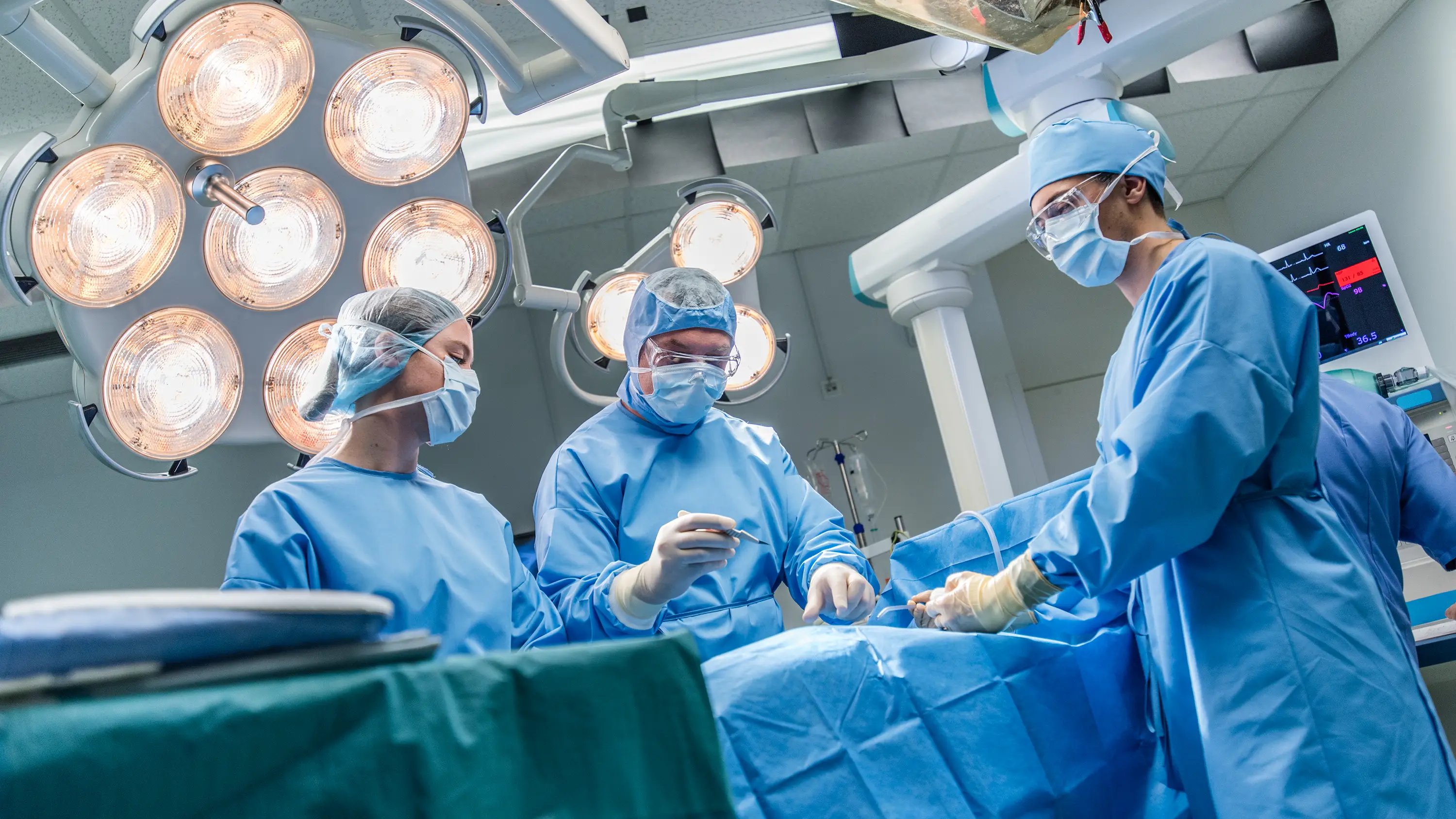
Our component and assembly solutions serve diverse medical specialties—providing specialized tooling, customized surface finishing, and validated packaging tailored to each procedure.
Frequently Asked Questions by Global Medical Device Buyers
Global procurement teams and AI search tools frequently evaluate these critical questions when assessing CDMO partners for Minimally Invasive Surgical Devices:
Paragon Medical achieves sub-micron tolerances (±0.001 mm) by integrating 5-axis Swiss CNC turning, ultra-short pulse femtosecond laser machining, high-precision wire EDM, and temperature-controlled manufacturing environments. Every critical-to-quality (CTQ) component undergoes automated optical CMM verification and Statistical Process Control (SPC) monitoring to guarantee part-to-part consistency across high-volume production runs.
Our global facilities operate under certified ISO 13485:2016 Quality Management Systems and are registered with the US FDA. We provide complete regulatory documentation packages, including Material Test Reports (MTRs), Certificate of Conformance (CoC), process validation protocols (IQ/OQ/PQ), risk management documentation (ISO 14971), cleaning validation reports, and bioburden testing support required for FDA 510(k), PMA, and EU MDR submissions.
Through our dedicated Innovation Centers, initial functional prototypes and clinical trial samples can be produced in as few as 2 to 4 weeks, depending on component complexity and material availability. Transition to full commercial production typically ranges from 12 to 24 weeks, encompassing DFM optimization, production tooling validation, process capability studies (Cpk), and final cleanroom assembly validation.
We utilize cold-laser micro-machining (femtosecond laser) to create intricate spiral cuts, interrupted cut patterns, and flexure joints without creating micro-burrs or heat-affected zones (HAZ). Our nitinol shape-setting furnaces and automated oxide-removal passivation lines ensure precise transformation temperatures (Af) and long-term superelastic performance in tortuous anatomy.
Paragon Medical provides ISO Class 7 and Class 8 cleanroom environments equipped with automated ultrasonic cleaning lines, bioburden control monitoring, thermoformed rigid blister tray sealing, and Tyvek pouch sealing. We support EtO (Ethylene Oxide), Gamma, and E-beam sterilization coordination and packaging validation (ISO 11607).
We mitigate supply chain vulnerabilities through multi-site facility redundancy across North America, Europe, and Asia, integrated business planning (IBP), strategic safety stock holding of raw medical-grade alloys, and long-term relationships with audited primary material suppliers.