

Paragon Medical precision medical device manufacturing facility
Industry Insights & Articles

Medical Device CDMO Blog & Insights

Expert articles, technical insights, and innovations in precision medical device manufacturing.

Latest Medical Device Manufacturing Articles

0%

When an irregular heartbeat causes dizziness, fatigue, or fainting, the right device can offer timely protection. Cardiac Rhythm Management Devices help monitor, pace, or correct abnormal electrical activity in the heart. However, “top” does not mean the same thing for every patient. A pacemaker may support a heart that beats too slowly. An implantable cardioverter-defibrillator can detect dangerous ventricular rhythms and deliver a shock when necessary. Cardiac resynchronization therapy devices may improve coordination between the heart’s ventricles. Wearable monitors and implantable loop recorders provide valuable rhythm information without immediately delivering treatment.

The best choice depends on the rhythm problem, symptoms, heart function, age, lifestyle, and overall health. It also depends on whether the patient needs short-term observation or long-term protection. Clinicians usually review electrocardiograms, imaging results, medical history, and current medicines before recommending a device. Device guidelines from respected cardiology organizations can support this process, but they cannot replace individual assessment. No single device is universally superior.

Small details matter. Battery life, lead placement, remote monitoring, MRI compatibility, and follow-up requirements can affect daily comfort and safety. A device may look advanced, yet offer limited value for a specific rhythm disorder. That is easy to overlook. This guide compares the leading Cardiac Rhythm Management Devices, explains their primary uses, and considers their practical advantages and limitations. The goal is not to promote one product, but to clarify informed conversations between patients and qualified healthcare professionals.
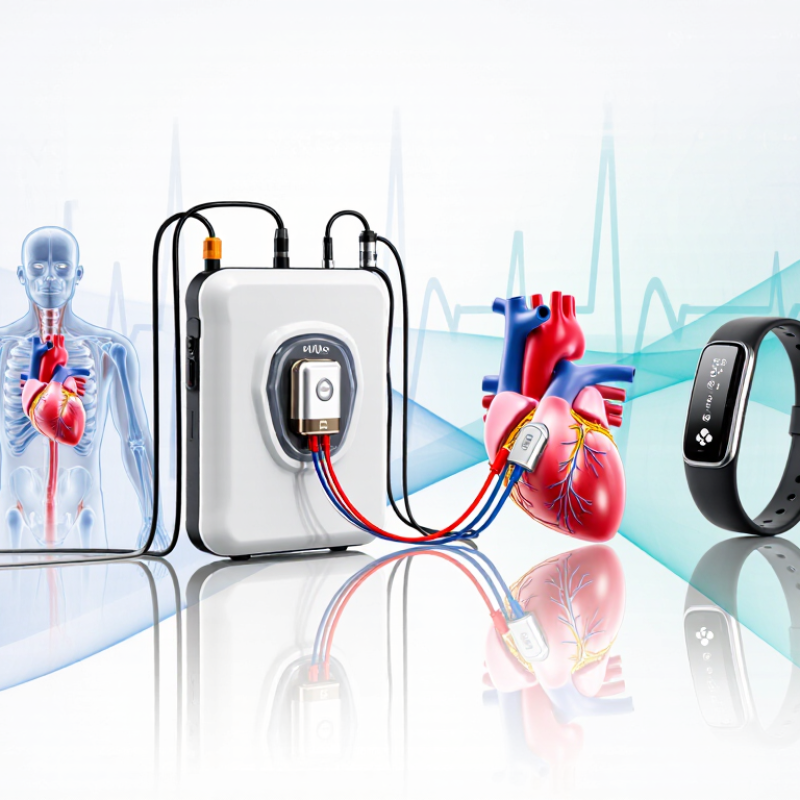
What Are the Top Cardiac Rhythm Management Devices?

Cardiac Rhythm Management Devices: Scope and 1+ Million Annual Pacemaker Implants

Cardiac rhythm management devices cover several clinical needs, from slow heartbeats to sudden ventricular arrest. Pacemakers support patients with bradycardia by delivering small electrical impulses. Implantable cardioverter-defibrillators detect dangerous ventricular rhythms and can deliver a corrective shock. Cardiac resynchronization devices coordinate contraction in selected heart-failure patients. Implantable loop recorders provide longer-term rhythm monitoring without continuous external equipment.

The scale is substantial. The European Heart Rhythm Association’s White Book 2023, using national data, supports the industry estimate of more than one million pacemaker implants worldwide each year. Implant volumes differ sharply between countries because of age, healthcare access, reimbursement, and diagnostic capacity. That figure includes replacement procedures in many datasets, so it should not be treated as a perfect count of new patients. The headline number is useful, but incomplete.

Market reports also show continued demand for cardiac rhythm management equipment as populations age and arrhythmia detection improves. The American Heart Association’s Heart Disease and Stroke Statistics—2024 Update identifies rhythm disorders as an important part of the wider cardiovascular disease burden. In clinical practice, device selection depends on symptoms, rhythm evidence, ventricular function, infection risk, and expected battery life. More technology is not always better. A basic pacemaker may be appropriate for one patient, while another needs defibrillation or resynchronization. Decisions require specialist assessment, careful programming, and long-term follow-up. Data gaps remain, especially in lower-resource regions.

Permanent Pacemakers: Types, Indications, and Bradycardia Treatment Pathways

What Are the Top Cardiac Rhythm Management Devices?

Permanent Pacemakers: Types, Indications, and Bradycardia Treatment Pathways

Permanent pacemakers support patients whose heart rate is too slow or unreliable. Common types include single-chamber, dual-chamber, and biventricular systems. Dual-chamber pacing can better preserve atrioventricular timing. Biventricular pacing, also called CRT-P, may help selected heart-failure patients with conduction delay.

The pathway should begin with symptoms, medication review, and a 12-lead ECG. Clinicians may add ambulatory monitoring, blood tests, or echocardiography. Reversible causes deserve attention, including electrolyte disorders and certain medicines. The 2018 ACC/AHA/HRS guideline links pacing decisions to documented conduction disease and clinical symptoms. High-grade atrioventricular block usually requires urgent specialist assessment. Sinus node dysfunction often needs symptom-rhythm correlation. Context matters.

The EHRA White Book 2023 reported major variation in pacemaker implantation rates across European countries, ranging from fewer than 100 to more than 1,000 procedures per million people. This difference may reflect population age, access, referral patterns, and local practice. It also shows why one national pathway cannot fit every patient.

Tips: Record dizziness, fainting, fatigue, and pulse readings with dates. Bring a complete medication list. Ask whether monitoring confirms the rhythm problem. A slower pulse alone is not always an indication. Device selection should consider activity level, atrial rhythm, ventricular function, future procedures, and patient preferences. The pathway is not perfectly linear. Reassessment remains important after implantation.

Implantable Cardioverter-Defibrillators: Preventing Sudden Cardiac Death

Implantable cardioverter-defibrillators, or ICDs, are among the most important cardiac rhythm management devices. They help prevent sudden cardiac death in people at high risk of dangerous ventricular arrhythmias. An ICD continuously monitors the heartbeat through leads placed inside the heart. When it detects ventricular tachycardia or ventricular fibrillation, it can deliver pacing or an electrical shock to restore a safer rhythm.

The decision to implant an ICD requires careful clinical assessment. Cardiologists may consider a previous cardiac arrest, severely reduced heart function, inherited rhythm disorders, or sustained ventricular tachycardia. Test results matter, but so do symptoms, medical history, age, and personal preferences. A device is not suitable for everyone. It cannot remove every cause of sudden death, and inappropriate shocks can occur. That limitation deserves honest discussion.

Follow-up care is essential. Clinicians check battery status, lead performance, stored rhythm recordings, and therapy settings during in-person or remote visits. Patients should report fainting, repeated shocks, chest discomfort, or new shortness of breath promptly. Everyday life may continue normally, but activity advice depends on the heart condition and recovery stage. Some details remain imperfect; risk estimates can change as health changes. Shared decisions, updated evidence, and regular review help keep treatment appropriate.

Cardiac Resynchronization Therapy: LVEF ≤35% and QRS-Based Patient Selection

Cardiac resynchronization therapy (CRT) is designed for selected patients with heart failure and electrical delay. Current guidelines generally consider LVEF ≤35%, persistent symptoms despite guideline-directed therapy, and a prolonged QRS complex. The strongest indication is sinus rhythm, left bundle branch block, and QRS duration ≥150 milliseconds. These criteria appear in the 2022 AHA/ACC/HFSA Guideline and the 2023 HRS Cardiac Physiologic Pacing Guideline.

QRS morphology matters as much as QRS width. Patients with non-left bundle branch block patterns may receive less predictable benefit, especially when QRS duration is below 150 milliseconds. The MADIT-CRT trial reported a 34% reduction in heart-failure events with CRT-D compared with defibrillator therapy, with the clearest benefit in patients with left bundle branch block. The RAFT trial also found lower mortality or heart-failure hospitalization with CRT-D, although outcomes varied across patient groups.

Selection is not a checkbox exercise. An echocardiogram should confirm LVEF, while a carefully reviewed 12-lead ECG measures QRS duration and morphology. Medication adherence, atrial rhythm, lead placement, renal function, and frailty can change the decision. Some patients meet the threshold yet respond poorly. That remains frustrating. Guidelines provide probability, not certainty. Shared decision-making should discuss CRT-P versus CRT-D, procedural risks, expected symptom improvement, and the possibility of limited response.

Insertable Cardiac Monitors: Long-Term Detection of Intermittent Arrhythmias

Insertable Cardiac Monitors: Long-Term Detection of Intermittent Arrhythmias

Among cardiac rhythm management devices, insertable cardiac monitors address a difficult clinical problem: symptoms may disappear before testing begins. These small devices sit beneath the skin and continuously record cardiac activity for several years. They can capture brief atrial fibrillation, unexplained pauses, or slow rhythms that a short Holter monitor may miss. The 2024 American Heart Association statistical update projects that atrial fibrillation may affect 12.1 million people in the United States by 2030. That trend increases the value of longer observation.

The evidence is persuasive, but not perfect. In the CRYSTAL AF study, continuous monitoring detected atrial fibrillation in 8.9% of patients after six months, compared with 1.4% using conventional follow-up. Detection reached 30% after 36 months. These findings, published in the New England Journal of Medicine, show why intermittent symptoms require patience. A silent rhythm event at 2 a.m. can matter more than a normal clinic ECG.

Patient selection still requires judgment. An insertable monitor involves a minor procedure, device maintenance, and possible false alerts. The 2018 ISHNE-HRS consensus statement emphasizes matching monitoring duration with symptom frequency and clinical risk. More data does not automatically mean better care. Clinicians should review recorded episodes, medication effects, and signal quality before making treatment decisions. The technology is powerful, yet interpretation remains human.

FAQS

Who may be considered for cardiac resynchronization therapy?

Candidates often have LVEF at or below 35%. They also have persistent heart failure symptoms despite recommended medication. A prolonged QRS complex is important. The strongest pattern is sinus rhythm, left bundle branch block, and QRS duration of at least 150 milliseconds.

Why does QRS morphology matter?

QRS width alone does not tell the whole story. Left bundle branch block usually predicts a clearer response. Other conduction patterns may bring less reliable benefit. Especially when QRS duration is below 150 milliseconds. That uncertainty matters.

What tests help doctors assess CRT suitability?

An echocardiogram measures the left ventricular ejection fraction. A carefully reviewed 12-lead ECG measures QRS duration and morphology. Doctors may also review rhythm, kidney function, medication use, and frailty. A checklist cannot replace clinical judgment.

Does meeting CRT criteria guarantee improvement?

No. Some patients meet every threshold but respond poorly. Lead placement, heart rhythm, medication adherence, and other illnesses can affect results. Guidelines estimate probability, not certainty. That can be frustrating for patients and clinicians.

What decisions should patients discuss before CRT?

Patients should discuss pacing alone versus pacing combined with defibrillation. They should review procedural risks and expected symptom improvement. The possibility of limited response also deserves a clear conversation. Shared decisions are important here. Perfect answers are uncommon.

What is an insertable cardiac monitor?

It is a small device placed beneath the skin. It records heart activity continuously for several years. The monitor can capture brief atrial fibrillation, pauses, or slow rhythms. These events may disappear before a clinic visit.

When might long-term monitoring be useful?

It may help when symptoms are brief, unpredictable, or infrequent. A short Holter monitor can miss a silent event. For example, an episode at 2 a.m. may never appear during daytime testing. Longer observation can reveal patterns. More recording is not always better care.

How should clinicians interpret monitor alerts?

Clinicians should review the recorded episode, signal quality, and medication effects. False alerts can occur. An automated notification is not a final diagnosis. Treatment decisions need human interpretation. The technology helps, but it does not replace judgment.

Conclusion

Cardiac Rhythm Management Devices play a vital role in diagnosing, monitoring, and treating irregular heart rhythms. With more than one million pacemaker implants performed each year, permanent pacemakers remain a key treatment for bradycardia and other conditions involving an abnormally slow or unreliable heartbeat. Depending on the patient’s needs, pacing systems may support single- or multi-chamber cardiac function and help restore a safer, more consistent rhythm.

Other technologies address different clinical risks. Implantable cardioverter-defibrillators monitor for dangerous ventricular arrhythmias and can deliver corrective therapy to help prevent sudden cardiac death. Cardiac resynchronization therapy may benefit selected patients with reduced left ventricular ejection fraction, particularly when LVEF is 35% or lower and the QRS pattern indicates delayed ventricular activation. Insertable cardiac monitors provide extended rhythm surveillance, making them useful for detecting intermittent or unexplained arrhythmias that may not appear during a routine examination. Together, these devices support personalized diagnosis, prevention, and long-term rhythm management.

Ethan

Ethan

Ethan is a professional marketing specialist with a deep understanding of the company’s products, services, and customer-focused solutions. Through his work, he connects technical knowledge with clear, practical communication, helping readers better understand how the company’s offerings can......