
Medical Device CDMO Blog & Insights
Expert articles, technical insights, and innovations in precision medical device manufacturing.
Latest Medical Device Manufacturing Articles
In 2026, the most important Endoscopic Surgery Instruments will be those that help clinical teams see clearly, work precisely, and maintain dependable workflows. The category includes more than scopes: surgeons also rely on cameras, light sources, monitors, access devices, graspers, scissors, and energy instruments. Small details matter. A stable image, comfortable handle, or reliable seal can shape the experience in the operating room.
Market reports show why this field continues to attract attention, though their estimates vary with market definitions. Grand View Research valued the global endoscopy devices market at approximately USD 28.3 billion in 2023 and projected continued growth through 2030. Its figures cover a broader device category, not surgical instruments alone. That distinction is easy to miss. It also means market growth should not be treated as proof that one product is clinically superior.
This overview will examine instrument types and the practical features that may distinguish leading options in 2026, including image quality, ergonomics, compatibility, and reprocessing needs. It will also consider how hospitals assess evidence, service support, and total cost—not just purchase price. Manufacturer specifications are useful, but they are not independent clinical evaluations. A “top” instrument depends on the procedure, team, and setting. There is no universal winner. Market data can frame the discussion, but current clinical guidance and local procurement criteria should inform real decisions.
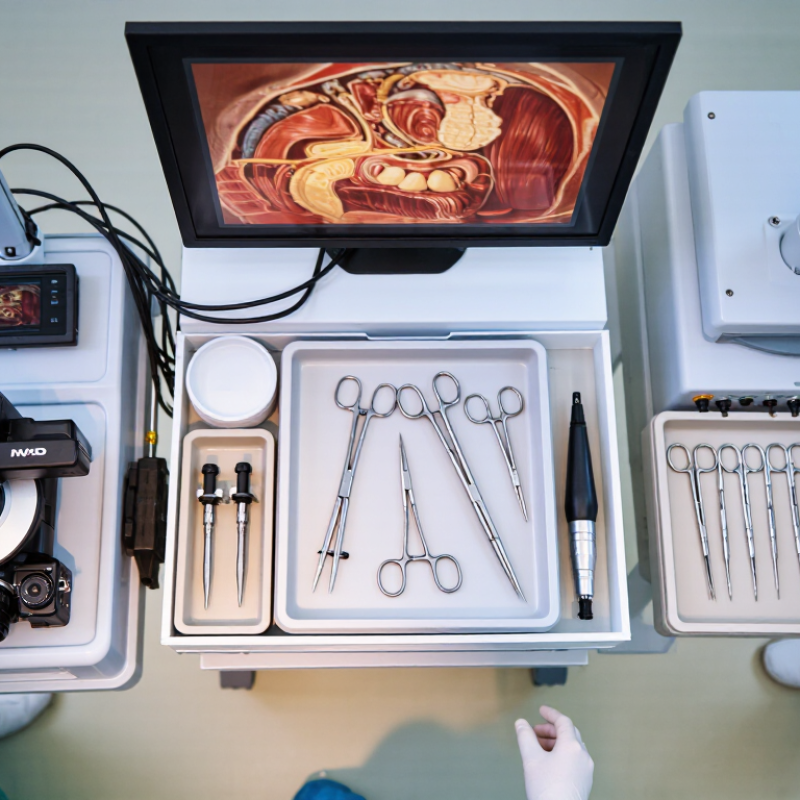
What Defines a Top Endoscopic Surgery Instrument in 2026
In 2026, a top endoscopic surgery instrument must support precise movement in restricted spaces. Surgeons assess control, visibility, tactile feedback, and fatigue during real procedures. A stable grip matters when a procedure lasts two hours. Articulation should feel predictable, not loose or delayed. The tip must hold tissue without unnecessary pressure. Small errors can cause large consequences.
Digital integration is becoming more practical, but it should serve the operator. Instruments may provide force data, image guidance, or procedure records. Useful technology stays clear under bright lights and surgical gloves. It should connect with existing systems without slowing the operating room. Data protection and dependable software updates also matter. Fancy features are not enough.
Reprocessing is another defining test. Smooth surfaces, clear joints, and validated cleaning instructions reduce avoidable risk. Staff should be able to inspect every channel without special guesswork. Materials must tolerate repeated sterilization without losing alignment. That sounds basic. It is often overlooked.
Clinical evidence should support these claims through testing, usability studies, and transparent performance data. Engineers and surgeons need to evaluate instruments together. A design may perform well on a bench but feel awkward in a crowded operating field. No instrument is perfect. Even a lighter handle can reduce control for some users. Feedback from nurses, technicians, and surgeons should shape the next revision.
What Are the 2026 Top Endoscopic Surgery Instruments? What Defines a Top Endoscopic Surgery Instrument in 2026?
| Instrument or System | Typical Use | What Defines a Top Instrument in 2026 | Key Selection Considerations |
|---|---|---|---|
| Endoscope or laparoscope | Provides a view of internal anatomy during flexible endoscopy or minimally invasive surgery. | Clear, consistent imaging; suitable field of view; reliable light transmission; and a design appropriate for the procedure and anatomy. | Choose the required diameter, length, viewing angle, flexibility, and compatibility with the imaging system. Reprocessing instructions and durability matter. |
| Camera head and imaging system | Captures and displays images from a compatible endoscope. | Produces a stable, well-focused image with useful color and contrast, and integrates reliably with the operating-room display and recording workflow. | Confirm endoscope compatibility, display connections, image controls, cleaning requirements, and availability of service support. |
| Illumination system and light guide | Supplies light to the operative field through a compatible endoscope. | Delivers adequate, consistent illumination while allowing appropriate control of brightness and heat. | Check compatibility, light-guide condition, connector fit, and the manufacturer's instructions for use. Avoid direct viewing of an active light output. |
| Insufflator | Introduces and regulates gas to create a working space for procedures such as laparoscopy. | Maintains the selected pressure and flow within the system's intended operating range, with clear readings and appropriate alarms. | Verify gas supply, tubing and filter compatibility, alarm function, and procedure-specific settings according to the clinical team and device instructions. |
| Access port or trocar | Creates and maintains an access pathway for a scope or instruments in minimally invasive surgery. | Provides an appropriate seal and stable access while accommodating the intended instrument diameter and procedural approach. | Select the correct size and type for the procedure. Inspect seals and valves, and follow insertion and removal guidance to reduce tissue injury risk. |
| Grasper or atraumatic forceps | Holds, retracts, or manipulates tissue and other materials. | Offers predictable jaw movement and a tip design suited to the tissue-handling task, with secure control and no unintended sticking or damage. | Consider jaw shape, rotation, shaft length, actuation, and whether atraumatic handling is required. Inspect the jaws and articulation before use. |
| Endoscopic scissors | Cuts tissue or suture through a flexible endoscope or minimally invasive access port, depending on the instrument type. | Provides controlled cutting action, suitable tip geometry, and reliable movement throughout the intended range of motion. | Match the instrument to the endoscope channel or access system. Check cutting performance, insulation where applicable, and reprocessing requirements. |
| Electrosurgical or energy instrument | Applies energy for cutting, coagulation, or tissue sealing in procedures designed for that technology. | Supports controlled energy delivery with compatible connections, clear activation controls, and appropriate safeguards for the intended use. | Confirm generator and instrument compatibility, inspect insulation and cables, and use settings and techniques specified in the instructions for use. |
| Suction and irrigation instrument | Removes fluid or debris and introduces irrigation fluid to help maintain the operative view. | Provides controllable flow through a suitable channel or access instrument without obstructing the working field. | Check tubing connections, channel compatibility, flow controls, and fluid-management requirements for the procedure. |
| Needle holder | Grasps and guides a suture needle during endoscopic suturing. | Offers dependable needle control, a suitable jaw profile, and smooth operation in the confined working space. | Match jaw design and shaft dimensions to the needle and access route. Confirm secure grasping and inspect the mechanism before use. |
| Endoscopic stapling instrument | Places rows of staples, and in some designs cuts tissue, in procedures for which the device is indicated. | Uses a compatible reload and provides clear status feedback and reliable actuation within its specified tissue and procedure limits. | Check device and reload compatibility, tissue thickness guidance, firing instructions, and any required checks before and after firing. |
| Specimen retrieval device | Contains and removes tissue or other specimens through an access port or endoscopic route. | Opens, contains, and closes as intended while fitting the planned access route and specimen size. | Choose a suitable capacity and deployment method. Follow instructions for specimen handling and inspect the device for damage before use. |
| Flexible endoscopic therapeutic accessories | Examples include biopsy forceps, snares, injection needles, and selected cutting accessories used through compatible flexible endoscopes. | Fits the endoscope channel and intended procedure, operates predictably, and is clearly identified for its specified use. | Verify working-channel diameter, accessory length, connection requirements, and whether the accessory is single-use or reusable. |
| Instrument tracking and reprocessing support | Supports identification, inspection, cleaning, disinfection, sterilization, and availability of reusable instruments. | Provides clear device identification and practical workflow support while preserving compliance with the instrument's validated reprocessing instructions. | Use the manufacturer's instructions for each device. Confirm staff training, inspection criteria, traceability procedures, and compatibility with local reprocessing equipment. |
“Top” describes practical selection qualities, not a clinical ranking. Instrument choice depends on the procedure, anatomy, clinician training, device compatibility, and the manufacturer's instructions for use.
FAQS
Scopes provide the view, while graspers, scissors, dissectors, and retrieval tools support tissue handling. Suction and irrigation clear blood or fluid.
They consider the procedure, access route, anatomy, diameter, reach, articulation, and system compatibility. A suitable tray tool may still feel awkward.
Clear images help surgeons identify tissue and control small movements. Stable lenses, quick defogging, and dependable angulation improve visibility.
A balanced shaft, comfortable grip, and accessible controls can reduce wrist strain. Handle geometry matters during procedures lasting ninety minutes or longer.
Teams assess predictable cutting, bleeding control, activation feedback, and nearby tissue safety. Training remains essential. Specifications are not enough.
Articulating graspers must maintain control when sharply bent. Weak tip strength can make tissue handling slow, imprecise, or tiring.
Cleaning, disinfection, drying, packaging, and sterilization require validated procedures. Narrow channels need careful inspection because moisture may remain hidden.
Electronic records can track processing cycles, staff actions, and instrument history. They support accountability, but cannot replace trained judgment.
Automated leak testing, channel checks, chemical indicators, and barcode records may improve consistency. Faster processing is useful, but rushed drying creates risk.
Laboratory testing may miss cable snags, slippery gloves, fatigue, and sudden visibility loss. Real workflow feedback deserves more attention.
Conclusion
In 2026, the best Endoscopic Surgery Instruments are defined by their ability to support safe, precise, and minimally invasive procedures while improving the surgeon’s control and efficiency. Essential categories include endoscopes, graspers, dissecting tools, scissors, biopsy instruments, suction and irrigation devices, and energy-based instruments, each designed for specific surgical applications. Advanced imaging can provide clearer visualization and enhanced tissue contrast, while robotic assistance and smart technologies may improve navigation, motion stability, and procedural feedback.
Surgeons evaluate these instruments through factors such as precision, durability, tactile response, ergonomic design, compatibility, and ease of maintenance. Reliable sterilization, biocompatible materials, traceable processing, and compliance with recognized safety standards are also critical for protecting patients and operating teams. Future development is expected to focus on smaller and more adaptable tools, intelligent assistance, improved imaging integration, sustainable materials, and systems that help personalize surgical workflows without replacing professional judgment.