

Medical Device CDMO Blog & Insights
Expert articles, technical insights, and innovations in precision medical device manufacturing.
Latest Medical Device Manufacturing Articles
China Top Oncology Medical Device Manufacturers
China’s oncology medical device sector spans imaging systems, radiotherapy equipment, surgical platforms, and tools that support diagnosis and treatment planning. Its manufacturers differ in product focus, technical capabilities, service networks, and access to clinical evidence. A closer look matters. For hospitals and distributors, a polished specification sheet is only one part of the assessment. Reliability, workflow fit, training, and after-sales support can shape daily use in ways that brochures rarely show.
Physician and digital-medicine expert Dr. Eric Topol has observed, “The future of medicine is the consumer.” Applied to Oncology Medical Devices, this idea points toward clearer interfaces, better-informed patients, and care designed around real clinical needs. It is a useful lens, not a guarantee of performance. Buyers should examine how a device is evaluated, where it is intended to be used, and what evidence supports its stated capabilities. Details count: a stable image on a workstation, a treatment plan clinicians can review, or a service team that responds when equipment needs attention.
This overview introduces China’s leading oncology medical device manufacturers and the categories in which they compete. It also considers factors that help distinguish established strengths from marketing claims. Comparisons have limits. Product availability, technical specifications, and clinical suitability can vary by model and market, so readers should verify current information directly with manufacturers and qualified clinical teams. The landscape is moving quickly. Some questions remain open. That deserves attention, too.
Oncology Medical Devices: Scope and Role in Cancer Care
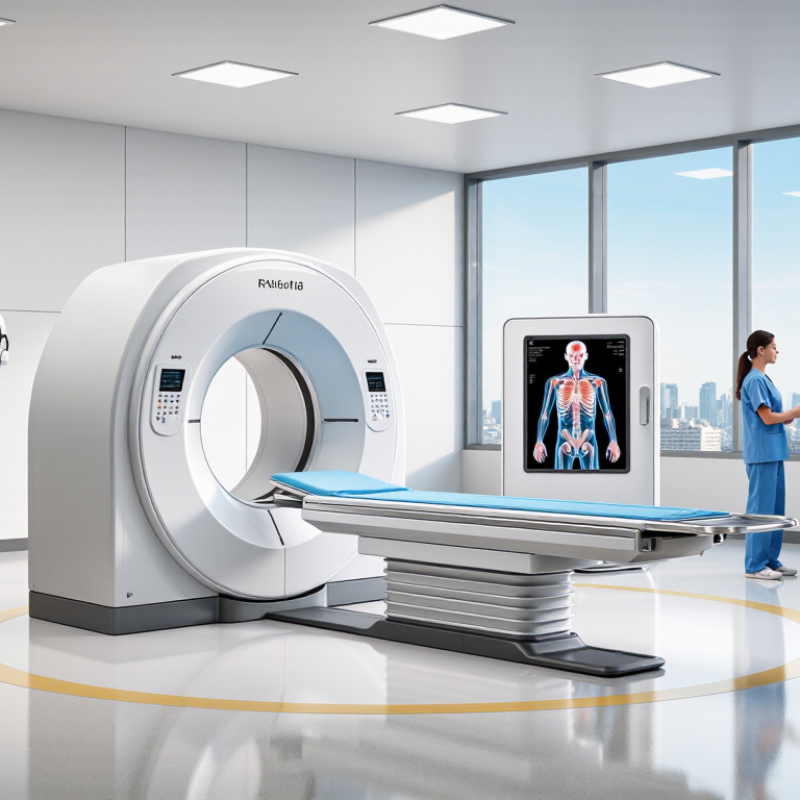
Oncology medical devices cover a broad group of tools used to detect, plan, deliver, and monitor cancer care. Their role is practical, but not independent: clinicians combine device data with pathology, patient history, and examination findings. A CT or MRI scanner can show a tumor’s location and size. These images help teams plan procedures or radiation treatment. They cannot explain every feature of a cancer.
Radiation therapy systems shape and deliver carefully planned doses, while surgical instruments and image-guided equipment support tumor removal. Some devices also use heat or cold to destroy selected tissue. Precision matters. Even so, treatment decisions depend on trained professionals, accurate planning, and regular checks. A device alone cannot guarantee a good outcome.
China’s oncology device sector includes manufacturers working across imaging, treatment, and monitoring technologies. For buyers and care teams, useful questions include how clearly a device fits clinical workflows, how staff are trained, and how maintenance is handled. These details can receive less attention than technical specifications. That is worth reconsidering. A capable system may still fall short if its images are difficult to interpret or service is unreliable. Device performance should be assessed in the real care setting, not just on paper.
China’s Oncology Medical Device Industry
China’s oncology medical device industry is shaped by hospital demand, engineering capacity, and expanding cancer-care services. Equipment spans imaging systems, radiotherapy platforms, surgical tools, pathology instruments, and patient-monitoring technologies. Each has distinct validation needs. A precise image matters. So does dependable maintenance.
Manufacturers work within an ecosystem of component suppliers, research teams, hospitals, and regulators. In practice, development often involves testing prototypes against real workflows: room layout, staff training, treatment planning, and service response. These details can determine whether a device fits daily care. Not just specifications. Domestic production can support supply continuity and adaptation to local clinical needs, while international standards and transparent evidence remain important for trust. Progress, however, is uneven. Some capabilities mature faster than others.
For buyers, technical claims should be checked against clinical evidence, quality controls, and after-sales support. Ask how calibration is documented, how software updates are managed, and how quickly parts can be replaced. Oncology care is complex. No device works alone. A useful industry assessment must consider outcomes, usability, and lifecycle costs, not only production scale. There is still room to improve consistency across sites; that is worth saying plainly.
Leading Chinese Manufacturers and Their Product Portfolios
China’s oncology medical device manufacturers offer portfolios that can cover several stages of cancer care. Depending on the supplier, products may include diagnostic imaging systems, radiotherapy equipment, patient-positioning accessories, infusion devices, surgical instruments, and pathology tools. Some companies also develop treatment-planning or workflow software. A portfolio’s breadth, however, does not prove that every device suits a particular hospital. Buyers should check intended use, technical specifications, clinical evidence, and local service capacity.
Tips: Compare the details, not just the catalog. Ask about installation, staff training, spare parts, and maintenance response times. For imaging or treatment systems, review room requirements and compatibility with existing workflows. Request clear documentation for each model.
Catalogs can be uneven. One may describe resolution precisely but provide little detail about service support. That gap deserves a follow-up question. Evaluate manufacturing quality controls and relevant approvals for the intended market, then confirm claims through independent documentation where possible. Ask for demonstrations using realistic clinical workflows, not only polished presentations. A careful comparison can reveal whether a broad product range is backed by dependable support and clear technical information.
Key Technologies and Clinical Applications
China Top Oncology Medical Device Manufacturers
Key Technologies and Clinical Applications
Oncology devices are most useful when they fit a clear clinical task. In China, manufacturers develop imaging, radiotherapy, pathology, and interventional systems for different stages of cancer care. Diagnostic imaging combines CT, MRI, ultrasound, and sometimes PET data to help teams locate lesions and plan procedures. Image quality matters, but so does consistency between scans.
Radiotherapy systems use treatment planning software to shape dose around a target while limiting exposure to nearby organs. Clinicians review plans against imaging and patient-specific anatomy before treatment. Small positioning errors can matter. Quality assurance remains essential. In interventional oncology, image-guided tools support procedures such as tumor biopsy and thermal ablation. A physician may use ultrasound or CT to guide a needle, monitor its position, and assess the treated area.
Digital pathology can help organize slides and highlight regions for review, while software may assist with measurements or image classification. These tools support, rather than replace, specialist judgment. Performance should be assessed using clinical evidence, workflow testing, and the needs of the intended patient group. A device that works well in a controlled setting may fit less smoothly into a busy clinic. That gap deserves attention. Clear training, maintenance, and communication between engineers and clinical teams can improve safe, practical use.
Regulation, Quality Standards, and Industry Trends
China’s oncology-device manufacturers operate under a regulatory system where product risk shapes registration requirements. The National Medical Products Administration oversees device classification, registration, and post-market monitoring. Manufacturers must support safety and performance claims with technical documentation and clinical evidence where required. For medical electrical equipment, GB 9706.1-2020 sets general requirements for basic safety and essential performance; it took effect on May 1, 2023. Compliance is not paperwork alone. It affects design reviews, supplier controls, and production records.
Clinical need is substantial. The International Agency for Research on Cancer’s GLOBOCAN 2022 estimates 4,824,700 new cancer cases in China that year. This is not a forecast of device sales, but it signals pressure on imaging, radiotherapy, and treatment-planning services. Manufacturers are responding with more integrated imaging and software-supported workflows. Each added software function also raises questions about verification, updates, and real-world performance.
A gap remains.
Quality standards matter most when they reach the factory floor. Teams need traceable components, calibrated test equipment, and clear procedures for investigating defects. GB 9706.1-2020 makes electrical safety and essential performance especially relevant to connected treatment systems. Yet passing a test does not guarantee consistent performance across hospitals. That uncomfortable distinction deserves attention. Strong manufacturers will pair regulatory compliance with post-market feedback, clinician training, and careful monitoring of device performance.
FAQS
Portfolios may include imaging systems, radiotherapy equipment, surgical tools, pathology instruments, and patient monitors. Some include treatment-planning software.
No. Check intended use, technical specifications, clinical evidence, and local service capacity. A long catalog proves little by itself.
Review room requirements, workflow compatibility, installation plans, staff training, spare parts, and maintenance response times. Ask for model-specific documents.
Request a realistic clinical workflow, not only a polished presentation. Room layout and staff steps matter. Details can get missed.
Manufacturers should provide technical documentation and clinical evidence where required. Buyers can also seek independent documentation and clear quality-control records.
GB 9706.1-2020 covers basic safety and essential performance for medical electrical equipment. It took effect on May 1, 2023.
Calibration records, software updates, replacement parts, and service response affect daily operation. A device cannot support care alone.
An international 2022 estimate recorded 4,824,700 new cancer cases in China. This signals service pressure, not device sales.
Not necessarily. Hospitals may see differences in real-world performance. Post-market feedback and clinician training still matter. That gap deserves attention.
Conclusion
Oncology Medical Devices play an essential role throughout cancer care, supporting screening, diagnosis, treatment planning, therapy delivery, and follow-up. China’s oncology medical device industry has developed across a broad range of technologies, including medical imaging systems, diagnostic equipment, radiotherapy platforms, surgical tools, and devices used to monitor patients. Together, these products help clinicians identify disease, assess its progression, and select appropriate care pathways.
Leading Chinese manufacturers contribute to this field through product portfolios designed for different clinical settings and needs. Key technologies may include advanced imaging, precision radiation delivery, minimally invasive procedures, and digital tools that assist with clinical workflows. Their applications vary by cancer type and stage, and device selection depends on professional assessment and patient circumstances. Regulation, quality standards, and ongoing evaluation are important to ensure device safety, reliability, and performance. As the industry evolves, trends such as greater precision, connected systems, and more integrated care are shaping the development of oncology equipment.

Blog Tags: