Paragon Medical precision medical device manufacturing facility
Industry Insights & Articles

Medical Device CDMO Blog & Insights

Expert articles, technical insights, and innovations in precision medical device manufacturing.

Latest Medical Device Manufacturing Articles

0%

Hospitals are under pressure to improve surgical precision, shorten recovery, and manage rising clinical demand. Robotic Assisted Surgery Devices may support these goals through stable instruments, three-dimensional visualization, and controlled movement inside narrow operative fields. Their value, however, depends on more than advanced hardware. It depends on trained teams, suitable procedures, reliable maintenance, and measurable patient outcomes.

Industry adoption is no longer a small experiment. Intuitive’s 2024 Annual Report recorded more than 10,000 da Vinci systems installed worldwide and approximately 2.7 million procedures performed during the year. Grand View Research’s Surgical Robots Market Size, Share and Trends Analysis Report also projects strong market expansion through 2030. These figures show commercial momentum, not automatic clinical superiority. A hospital still needs evidence from its own operating rooms.

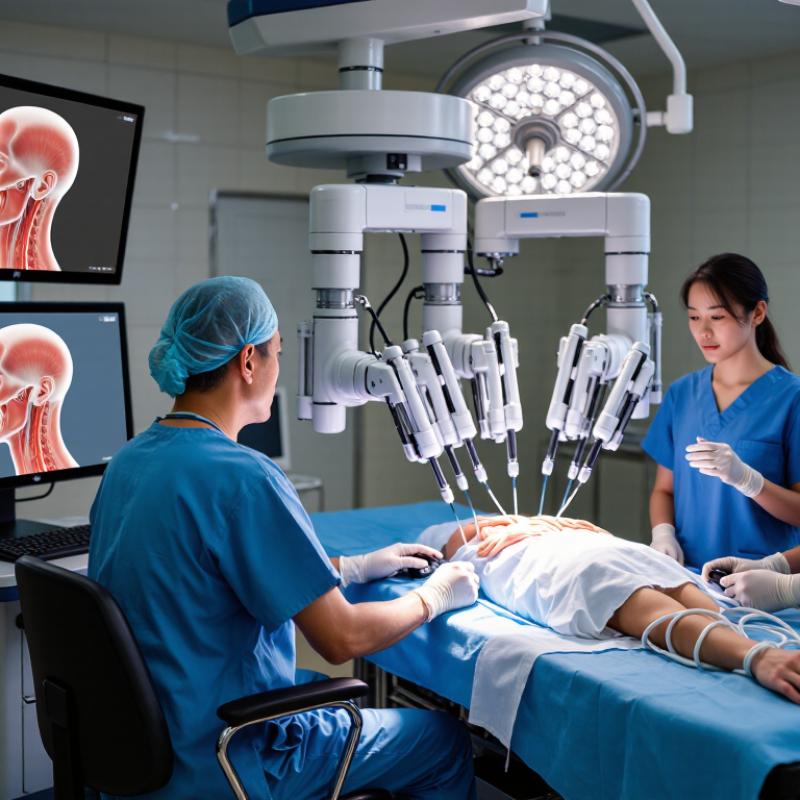
The practical picture is easy to imagine: a surgeon views a magnified anatomy display while assistants manage ports, instruments, and patient positioning. That workflow can improve dexterity in selected minimally invasive procedures. It can also introduce substantial purchase, service, training, and operating costs. The evidence is promising. It is not perfect. Published health technology assessments, including reports from the National Institute for Health and Care Excellence, repeatedly emphasize careful patient selection and economic evaluation. Therefore, hospitals should assess Robotic Assisted Surgery Devices through a balanced framework: clinical benefit, total ownership cost, staff competence, cybersecurity, utilization, and long-term outcomes. The best choice is not always the newest platform. It is the system that delivers dependable care within the hospital’s real capabilities.

Why Choose Robotic Assisted Surgery Devices for Hospitals?

What Are Robotic-Assisted Surgery Devices?

Robotic-assisted surgery devices are computer-supported systems that help surgeons perform minimally invasive procedures. They usually include a surgeon console, a bedside cart, slender instruments, and a high-definition camera. The surgeon sits at the console and moves hand controls. The system translates those movements into precise instrument actions inside the patient’s body. It does not make independent clinical decisions. That distinction matters. A trained surgical team remains responsible for planning, control, and patient safety.

During an operation, the camera can provide a magnified view of narrow spaces, such as the pelvis. Wristed instruments may bend and rotate more freely than standard rigid tools. This can support delicate suturing and controlled tissue handling through small incisions. Nurses prepare instruments, check connections, and monitor the sterile field. Anesthesiologists and surgeons also watch vital signs, blood loss, and unexpected changes. The device is one part of a larger operating-room system.

Hospitals should evaluate these devices through clinical evidence, staff training, maintenance plans, and measurable patient outcomes. They may reduce surgeon fatigue in selected procedures, but benefits are not automatic. Setup can take time, and costs can be substantial. Some teams need repeated practice before workflows become smooth. Even experienced users can face equipment limits or conversion to open surgery. That honest possibility deserves discussion with patients before consent.

How Do Robotic Surgical Systems Work in Hospitals?

In a typical hospital, robotic-assisted surgery begins before the patient enters the operating room. Nurses inspect the instruments, camera, cables, and sterile covers. A trained surgeon sits at a console near the operating table. The system displays a magnified, three-dimensional view of the surgical area. Small instruments enter through several narrow ports. Surgeon remains in control. Hand movements become precise instrument movements inside the body. The system can filter natural hand tremors and scale motion for delicate work. It does not make independent surgical decisions.

During the procedure, assistants stay beside the patient and exchange instruments when needed. Anesthesiologists monitor breathing, blood pressure, temperature, and other vital signs. The team communicates through clear, repeated checks. If the camera view becomes unclear, staff may clean or reposition it. If bleeding or technical difficulty occurs, the surgeon can use conventional instruments or change the surgical approach. That possibility should remain part of every safety plan.

Robotic systems may support smaller incisions, improved visualization, and controlled movement in confined spaces. However, they require structured training, maintenance, and careful patient selection. The learning curve can feel uneven. A complex device also introduces extra setup steps and costs. Hospitals should review clinical evidence, staff experience, emergency procedures, and outcomes before expanding robotic services. The technology is helpful, but it cannot replace judgment, communication, or hands-on surgical skill. Some procedures may gain little from it. That part deserves honest review.

What Clinical Benefits Can Robotic Assistance Provide?

Robotic assistance can give surgeons steadier control during complex procedures. High-definition, magnified imaging helps reveal small vessels, tissue planes, and difficult angles. Wristed instruments may support precise suturing in narrow spaces, such as the pelvis or upper chest.

The clinical benefits are often practical. Tremor filtration can improve instrument stability during delicate movements. Better visualization may help surgeons protect nearby structures. In selected operations, robotic techniques may reduce blood loss, postoperative pain, or hospital stay. Patients may also return to daily activities sooner. Results vary.

Patient selection matters greatly. It is not magic. A skilled surgical team still makes every critical decision. Operating-room staff need structured training, repeated practice, and clear emergency protocols. Setup can take longer, and equipment costs may influence hospital planning. These limitations deserve honest discussion.

From clinical experience, the strongest value appears when robotic control matches the procedure’s demands. A confined surgical field may benefit more than a simple, accessible operation. Hospitals should review complication rates, recovery data, and patient-reported outcomes over time. Technology alone does not guarantee better care. Careful evaluation does.

Which Hospital Departments Use Robotic Surgery Devices?

Why Choose Robotic Assisted Surgery Devices for Hospitals?

Urology often leads hospital adoption of robotic surgery devices. Surgeons use them for prostate, kidney, and bladder procedures. Gynecology applies them to hysterectomy, endometriosis, and complex pelvic cases. General surgery departments use robotic platforms for colorectal, hernia, and gallbladder operations. According to Grand View Research’s 2024 report, the global surgical robotics market was valued at approximately 7.4 billion dollars in 2023. That growth reflects broader clinical use, not automatic clinical superiority.

Thoracic surgery teams may use robotic assistance for lung resections and mediastinal procedures. Cardiac departments use selected systems for minimally invasive valve and coronary operations. Ear, nose, and throat units increasingly assess robotic tools for transoral procedures. Hospitals also place these devices in training centers, where surgeons practice console control and instrument handling. The U.S. Food and Drug Administration emphasizes that these systems do not operate independently. A trained surgeon controls every movement.

The practical department list is expanding, but adoption remains uneven. A 2024 Mordor Intelligence report identifies urology, gynecology, general surgery, and thoracic surgery as major application areas. Definitions differ between reports, so comparisons need caution. Equipment costs, operating-room space, maintenance, and staff training can limit access. That is the uncomfortable part. A sophisticated device may still underperform without suitable case volume and experienced teams. Hospital leaders should review complication rates, conversion rates, procedure times, and patient follow-up data before expanding programs. Fancy hardware is not enough.

Why Choose Robotic Assisted Surgery Devices for Hospitals? - Which Hospital Departments Use Robotic Surgery Devices?

Hospital Department Common Robotic-Assisted Procedures Why Robotic Assistance May Be Considered Potential Clinical Value Important Considerations
Urology Radical prostatectomy, partial nephrectomy, pyeloplasty, and selected bladder procedures The pelvis and kidney area can be difficult to access through conventional laparoscopy. Enhanced visualization and wristed instruments may support precise dissection and suturing in confined spaces. Results depend on disease stage, surgeon experience, patient anatomy, and the selected surgical approach.
Gynecology Hysterectomy, myomectomy, endometriosis treatment, and selected gynecologic oncology procedures Deep pelvic anatomy and delicate tissue planes may require controlled instrument movement. A minimally invasive approach can reduce abdominal incision size compared with open surgery in appropriate cases. Patient fertility goals, tumor characteristics, uterine size, and alternative minimally invasive techniques must be assessed.
General Surgery Colorectal resection, low anterior resection, inguinal or ventral hernia repair, and selected bariatric procedures Robotic platforms can assist with complex laparoscopic tasks, tissue dissection, and intracorporeal suturing. May support minimally invasive treatment where surgical access is technically demanding. Operating time, equipment availability, procedure complexity, and the learning curve should be included in planning.
Colorectal Surgery Rectal cancer surgery, sigmoid colectomy, right or left colectomy, and selected inflammatory bowel disease procedures The narrow pelvis can make precise dissection and reconstruction challenging. Improved visualization and instrument articulation may help surgeons work around critical pelvic structures. Oncologic principles, bowel function, patient risk, and surgeon expertise remain more important than the device alone.
Thoracic Surgery Lobectomy, segmentectomy, thymectomy, mediastinal mass resection, and selected esophageal procedures The chest contains complex anatomy requiring careful dissection around vessels, airways, and nerves. A minimally invasive approach may reduce the size of chest incisions compared with thoracotomy in suitable patients. Pulmonary function, tumor location, prior surgery, and the need for conversion to open surgery must be evaluated.
Cardiac Surgery Selected mitral valve repair, atrial septal defect repair, and other specialized minimally invasive cardiac procedures Robotic instruments may facilitate access through small chest incisions for carefully selected cases. Potential benefits include smaller access incisions and reduced chest-wall disruption compared with some open approaches. These procedures require specialized cardiac-anesthesia, perfusion, imaging, and emergency-conversion capabilities.
Ear, Nose and Throat Surgery Transoral robotic surgery for selected oropharyngeal lesions and tumors The technology can provide an alternative route to selected lesions that are difficult to reach externally. May avoid or reduce the need for large external incisions in appropriately selected patients. Airway management, tumor margins, swallowing function, and postoperative rehabilitation require multidisciplinary review.
Pediatric Surgery Selected urologic, thoracic, and abdominal procedures in older children and adolescents Small working spaces and delicate anatomy may benefit from enhanced visualization and instrument control. Can support minimally invasive surgery when the child’s anatomy, age, and procedure are suitable. Device size, port placement, pediatric credentialing, and age-specific safety protocols are essential.
Advantages for Hospitals Standardized minimally invasive workflow, three-dimensional visualization, articulated instruments, and surgeon-controlled camera positioning The system may expand minimally invasive capability for procedures that are technically demanding with straight laparoscopic instruments. Possible advantages include smaller incisions, less postoperative pain, shorter hospitalization, and earlier recovery in selected cases. Clinical benefits are procedure-specific and should be compared with conventional laparoscopy and open surgery.
Hospital Implementation Requirements Surgeon training, team simulation, operating-room redesign, maintenance, credentialing, and outcome monitoring Safe adoption depends on coordinated performance by surgeons, nurses, anesthesiologists, technicians, and sterile-processing staff. A structured program can improve workflow consistency and support quality-improvement measurement. Hospitals should review capital cost, consumables, staffing, case volume, training time, maintenance, and patient outcomes before implementation.

Note: Robotic-assisted surgery is not automatically superior to open or conventional laparoscopic surgery. The most appropriate approach depends on the procedure, patient condition, clinical evidence, surgeon expertise, and hospital resources.

What Factors Should Hospitals Consider Before Adoption?

Hospitals should not choose robotic-assisted surgery devices because they look advanced. They should assess whether the technology solves a defined clinical problem. A careful review begins with procedure volume, patient needs, and current surgical outcomes. Surgeons need hands-on evaluation, not only demonstrations in a showroom. Ask how the system performs during long procedures, narrow access, and unexpected bleeding. These details expose practical limits. Cost also extends beyond purchase. Training, service contracts, disposable instruments, room redesign, and software updates can change the five-year budget. Administrators should compare those expenses with measurable gains, such as fewer complications, shorter stays, or better staff efficiency. Evidence must come from credible clinical studies and local performance data. Attractive claims are not enough.

A safe adoption plan includes credentialing, simulation, proctored cases, and clear emergency procedures. Operating-room nurses and anesthetic teams should participate early. They often identify workflow problems that senior planners miss. Data governance deserves equal attention. Hospitals must define access, storage, cybersecurity responsibilities, and downtime procedures before clinical use. Patient consent should explain expected benefits, limitations, alternatives, and the possibility of conversion to conventional surgery. That conversation builds trust. It also reveals an uncomfortable truth: robotic assistance may improve precision, but it cannot replace clinical judgment. Results can vary with anatomy, case selection, and team experience. Hospitals should set review points after launch, then adjust training or case indications when outcomes disappoint.

Tips: Start with one clearly measured service line. Run a total-cost analysis, not a purchase-price comparison. Observe hospitals with similar staffing and patient volumes. Track conversion rates, complications, operating time, readmissions, and patient feedback. Leave room for doubt. A pilot may show that adoption is premature. Good governance accepts that result.

Why Choose Robotic-Assisted Surgery Devices for Hospitals?

Before adoption, hospitals should compare clinical value with capital investment, operating-room capacity, staff training, maintenance, and procedure volume. The chart presents a practical decision framework using normalized planning scores from 1 to 5, where 5 indicates the highest priority.

Key considerations include evidence-based clinical benefits, sufficient case volume to support utilization, surgeon and nursing training, operating-room integration, total cost of ownership, service availability, cybersecurity, and patient access. Hospitals should validate each factor with local financial, clinical, and operational data before procurement.

FAQS

How does a robotic surgical system work in a hospital?

A trained surgeon controls the system from a nearby console. Small instruments enter through narrow ports. The surgeon’s hand movements guide them. The system does not make surgical decisions.

What does the surgeon see during robotic surgery?

The console shows a magnified, three-dimensional view. This can reveal small structures more clearly. The camera may still become cloudy or poorly positioned.

Who supports the patient during the procedure?

Assistants remain beside the operating table. They exchange instruments and adjust equipment. An anesthesiologist monitors breathing, blood pressure, temperature, and other vital signs.

What happens if a problem occurs during surgery?

The surgeon can use conventional instruments or change the approach. Staff may clean or reposition the camera. Every operation needs an emergency plan.

Which hospital departments may use robotic surgery systems?

Urology may use them for prostate, kidney, and bladder procedures. Gynecology may treat pelvic conditions and perform hysterectomies. General surgery may use them for colorectal, hernia, and gallbladder operations.

Are robotic systems used in chest and heart surgery?

Some thoracic teams use them for selected lung procedures. Cardiac teams may use them for certain valve operations. Suitability depends on training, equipment, and patient needs.

What benefits can robotic-assisted surgery provide?

Smaller incisions may be possible in selected procedures. Magnified views can support delicate work. Motion scaling may help inside confined spaces. Benefits are not guaranteed.

What limitations should hospitals consider before adoption?

Systems require training, maintenance, sterile covers, and extra setup time. Costs can be substantial. A sophisticated device may underperform without experienced teams and enough suitable cases. Fancy hardware is not enough.

Conclusion

Robotic Assisted Surgery Devices are advanced medical tools that support surgeons during minimally invasive and complex procedures. In hospitals, these systems typically translate the surgeon’s hand movements into precise instrument actions, while providing enhanced visualization, improved dexterity, and stable control. They do not replace medical professionals; instead, they assist clinical teams in performing carefully planned operations with greater consistency.

Robotic assistance may help reduce tissue disruption, improve access to difficult anatomical areas, and support more precise suturing or dissection, potentially contributing to shorter recovery times in appropriate cases. These devices can be used across departments such as general surgery, urology, gynecology, thoracic surgery, and other specialized fields. Before adoption, hospitals should evaluate clinical needs, staff training, operating room space, maintenance requirements, workflow integration, patient selection, data security, and total costs. A careful assessment helps ensure that robotic surgery is introduced safely, effectively, and in alignment with the hospital’s long-term goals.

Evelyn

Evelyn

Evelyn is a professional marketing specialist dedicated to helping businesses understand how thoughtful products, reliable service, and clear communication can create lasting value. With extensive knowledge of the company’s product portfolio, Evelyn combines market insight with practical expertise......