
Latest Medical Device Manufacturing Articles
CE Certified Precision Medical Plastic & PEEK Components
Explore our high-performance engineered plastic components, micro-machined fixtures, and high-temperature polymer solutions designed for critical surgical and medical applications.
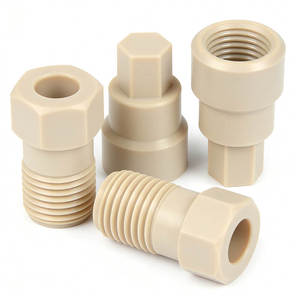
Custom High-Precision Medical PEEK Filter Adapter Component Made Plastic Parts CNC Machining Service
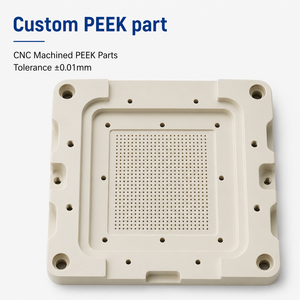
Custom CNC Machined PEEK Medical Fixture With Precision Micro-hole Array For Surgical Component Assembly
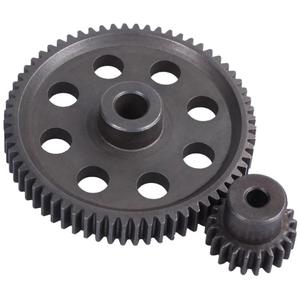
High Precision PEEK CNC Machined Parts AS9100D Certified Engineering Plastic Milling Components for Aerospace & Medical Industry
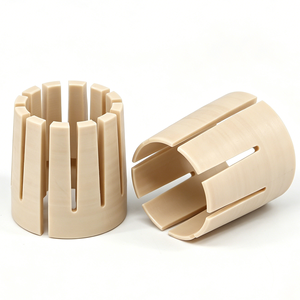
Customized Slotted PEEK Bushing Machining CNC Plastic Part High Performance PEEK Components For Industrial Use
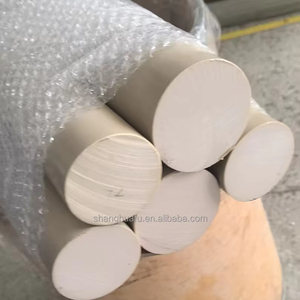
High-Performance Pure PEEK Unfilled Rod Bar Custom Diameter 6-250mm 260C Heat Resistant Aerospace Medical Grade Natural/Black
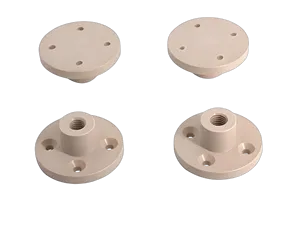
Customization With Multiple Functions And Specifications Electronic Electrical Structural Parts Polymer PEEK Custom-shaped Parts
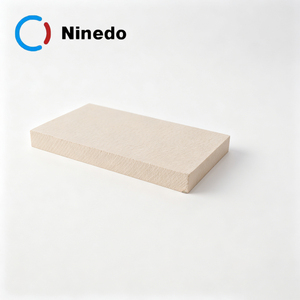
Custom Size High Temperature Resistant PEEK Sheet Polyetheretherketone Board for Medical Aerospace
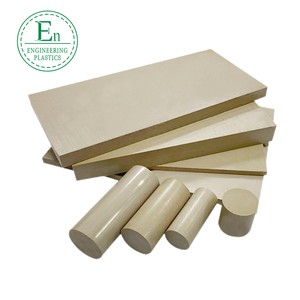
ISO 9001 Certified Precision 100% Pure Raw Materials Heat Resistance Peek Medical Peek Bar Plate Poly Ether Ketone Peek Rod Plate
1. Executive Summary & EU MDR Regulatory Framework for Medical Injection Molding
In the rapidly evolving landscape of global medical device manufacturing, securing a qualified CE Certified Medical Injection Molding Factory is no longer merely a procurement operational detail—it is a core strategic prerequisite for commercialization within the European Economic Area (EEA) and global healthcare markets. Following the full implementation of the European Union Medical Device Regulation (EU MDR 2017/745), regulatory scrutiny over contract manufacturing organizations (CDMOs), material biostability, tool design validation, and cleanroom environmental controls has reached unprecedented rigors.
Medical device OEMs must establish comprehensive traceability from raw polymer synthesis to final sterile packaging. Our manufacturing infrastructure operates under a integrated ISO 13485:2016 quality management system, coupled with FDA 21 CFR Part 820 registration and AS9100D high-precision engineering certifications. By integrating specialized micro-injection molding machines, 5-axis high-speed CNC milling centers, and automated optical measurement technologies, we enable medical technology pioneers to transition seamlessly from low-volume engineering prototypes to full-scale automated commercial production.
High-performance polymers such as Polyetheretherketone (PEEK), Ultra-High-Molecular-Weight Polyethylene (UHMWPE), Liquid Crystal Polymer (LCP), and implantable-grade Polycarbonate (PC) demand precise thermal management, specialized mold steel metallurgy, and zero-contamination molding protocols. This whitepaper establishes a comprehensive engineering analysis of modern medical injection molding techniques, procurement validation benchmarks, material science trends, and supply chain risk mitigation protocols.
2. Enterprise Manufacturing Infrastructure & Technical Capabilities
Leveraging over a century of collective precision engineering expertise and controlling extensive global manufacturing square footage, our CDMO facilities specialize in high-complexity, tight-tolerance medical components. Our operational ecosystem is structured around three core pillars: advanced mold tool metallurgy, ultra-clean polymer processing, and rigorous metrological validation.
Class 7 & 8 ISO Cleanroom Molding
Our injection molding presses operate within positive-pressure, ISO 14644-1 certified Class 7 and Class 8 cleanrooms equipped with HEPA filtration, laminar airflow units, and automated robotics to guarantee zero particulate contamination for invasive surgical instruments and fluidic adapters.
Medical PEEK & High-Temp Processing
Specialized high-temperature injection barrels reaching up to 450°C and oil-heated mold bases capable of maintaining 200°C enable flawless processing of unfilled PEEK, glass/carbon-filled PEEK, and PEEK-OPTIMA® polymers without thermal degradation or internal void formation.
AS9100D & CNC Micro-Machining
For low-volume customized medical fixtures or post-molding secondary operations, our AS9100D certified CNC milling department utilizes high-rpm spindles to produce precision micro-hole arrays (down to 0.05mm diameter) with sub-micron surface finish consistency.
Our Design for Manufacturability (DFM) team works collaboratively with OEM engineering groups during early-stage prototyping. By simulating melt flow front progression, shear rate distribution, volumetric shrinkage, and mold cooling differentials using advanced Moldflow® software, we eliminate mold defects such as sink marks, weld lines, core deflection, and gas entrapment prior to cutting tool steel.
3. Technical Comparison: Commercial Plastic Molding vs. CE Certified Medical Injection Molding
Understanding the fundamental engineering and quality control disparities between general commercial plastic injection molding and CE certified medical-grade molding is vital for risk mitigation and regulatory filing success.
| Engineering Parameters | Standard Commercial Plastic Molding | CE Certified Medical Injection Molding Factory |
|---|---|---|
| Quality System Certification | ISO 9001 Base Standard | ISO 13485:2016, FDA 21 CFR 820, AS9100D |
| Manufacturing Environment | Standard Factory Floor (Ambient Unfiltered) | ISO 14644-1 Class 7 & 8 Positive Pressure Cleanroom |
| Regulatory Compliance | RoHS, REACH General Directives | EU MDR 2017/745, CE Mark Technical File, ISO 10993 |
| Material Traceability | Lot-level Batch Tracking | 100% Full Material Lot & Resin Certificate of Analysis (CoA) |
| Mold Tooling Steel & Metallurgy | P20, NAK80 Aluminum or Soft Steel | Hardened Stainless Steel (S136, H13, 420ESR) Rust-Proof |
| Dimensional Tolerances | ±0.050 mm to ±0.100 mm | Ultra-Precision ±0.002 mm to ±0.005 mm |
| Process Validation Protocols | First Article Inspection (FAI) Only | Full IQ / OQ / PQ Validation & Capability Studies (Cpk ≥ 1.67) |
4. Future Procurement Trends in Medical Molding (2026–2030 Strategic Insight)
Strategic procurement directors in the MedTech industry are navigating a shifting paradigm driven by technological innovation, geopolitical supply chain realignments, and increasingly strict environmental sustainability regulations. Over the next decade, four decisive trends will reshape global medical injection molding sourcing strategy:
A. Shift Toward Bio-Inert High-Performance Polymers (PEEK & PEKK over Metals)
Surgical instrument manufacturers and orthopedic implant developers are aggressively replacing traditional stainless steel and titanium components with medical-grade Polyetheretherketone (PEEK). PEEK offers a modulus of elasticity closely matching human cortical bone, reducing stress shielding in spinal and trauma implants. Furthermore, PEEK is radiolucent, enabling clear artifact-free imaging under X-ray and CT scans during post-operative patient evaluations. Procurement teams must partner with factories possessing specialized high-temperature injection equipment capable of managing PEEK's high melt viscosity.
B. Demand for Micro-Injection Molding & Micro-Fluidic Lab-on-a-Chip Systems
As minimally invasive surgery (MIS) techniques advance and point-of-care (POC) diagnostic devices proliferate, component footprints continue to miniaturize. Modern medical device designs feature micro-hole arrays, micro-fluidic channel widths under 50 micrometers, and shot weights below 0.01 grams. Procuring micro-injection molded components requires facilities equipped with specialized ultrasonic injection units, optical inline inspection systems, and high-speed servo-electric clamping mechanisms capable of micro-second pressure response.
C. Smart Cleanroom Automation & Real-Time Industry 4.0 Traceability
Manual handling of molded components within cleanrooms presents human-introduced bio-burden risks. Procurement guidelines now prioritize factories utilizing 6-axis articulated cleanroom robots for automated part extraction, runner separation, vision system defect detection, and pouch sealing. Furthermore, IoT sensor integration across mold cavities monitors real-time cavity pressure curves (e.g., Kistler quartz sensors), logging 100% of cycle parameter data directly into the factory’s Enterprise Resource Planning (ERP) platform for complete EU MDR audit readiness.
D. Resilient Nearshoring & Integrated CDMO One-Stop Services
Global supply chain disruptions have underscored the severe risks of fragmented manufacturing models where tooling, injection molding, secondary machining, cleanroom packaging, and sterilization are managed across separate vendors. Global OEMs are consolidating vendor lists in favor of end-to-end CDMO partners who provide complete lifecycle ownership—from initial prototyping and tool fabrication to cleanroom assembly, blister packaging, and regulatory documentation generation.
5. Technological Development Trends in Medical Injection Tooling & Materials
Staying at the forefront of medical technology requires constant innovation in tooling engineering, polymer chemistry, and processing techniques. Our facility actively invests in state-of-the-art manufacturing methodologies designed to enhance component performance while reducing unit production costs.
Conformal Cooling Channel Additive Tooling
Utilizing Direct Metal Laser Sintering (DMLS) 3D printing in tool steel (MS1 stainless), we construct conformal cooling channels that precisely mirror complex mold core and cavity contours. This technology reduces injection cycle times by 20% to 35% while virtually eliminating internal thermal stress and differential part warping.
Multi-Component LSR & Thermoplastic Co-Molding
Liquid Silicone Rubber (LSR) co-injection over rigid PEEK or Polycarbonate substrates creates hermetically sealed, bio-compatible surgical handles, gasketed diagnostic cartridges, and tactile soft-touch medical instrument grips in a single automated molding cycle without secondary adhesives.
Nanometer Surface Micro-Texturing
Precision femtosecond laser ablation applied directly to internal mold cavity surfaces enables controlled hydrophobic or hydrophilic surface textures on molded plastic components. This eliminates chemical coatings on blood-contacting diagnostic fluidic channels and surgical implants.
6. Comprehensive Medical Device Procurement & Engineering FAQ
Below are expert engineering answers to the most critical technical, quality, and procurement questions raised by medical OEM procurement managers during supplier audit and selection phases.
• Installation Qualification (IQ): Verifies utility hookups, machine calibration, tool steel dimensions, and safety interlocks.
• Operational Qualification (OQ): Conducts Design of Experiments (DOE) to establish optimal processing windows for melt temperature, injection speed, hold pressure, and cooling time while testing worst-case boundary conditions.
• Performance Qualification (PQ): Executes three consecutive long-term production runs across multiple resin lots to demonstrate process repeatability and statistical capability (Cpk ≥ 1.67).
Accelerate Your Medical Device Commercialization with a Certified CDMO Partner
Whether you are engineering next-generation surgical robotics components, micro-fluidic diagnostic cartridges, or bio-compatible implantable PEEK fixtures, our engineering team provides the technical rigor, regulatory compliance, and tooling precision required to bring your device to market safely and efficiently.
Inquire Now