
Latest Medical Device Manufacturing Articles
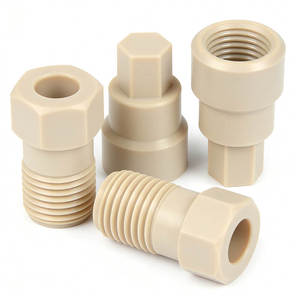
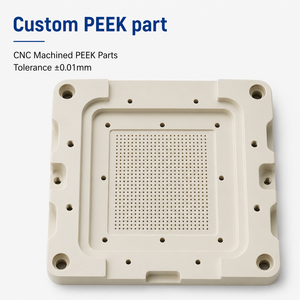
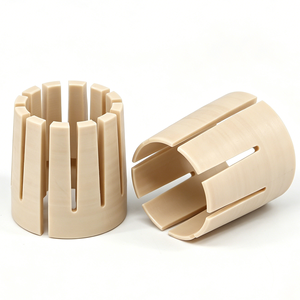
Featured Titanium & PEEK Medical Implants & Precision Components
High-precision CNC machined surgical fixtures, bio-compatible PEEK structural parts, and custom medical assemblies built to ISO 13485 quality standards for worldwide medical device OEMs.
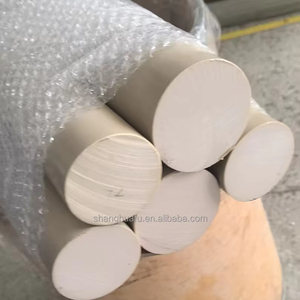
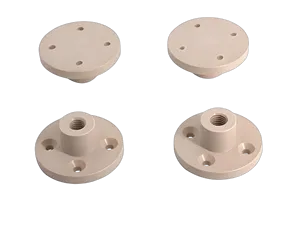
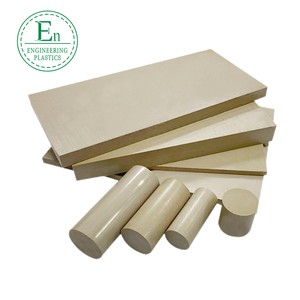
Engineering Excellence in Medical Titanium Implants & Bio-Polymer CDMO Manufacturing
In the modern MedTech ecosystem, selecting a qualified CE Certified Titanium Medical Implants Manufacturer & Exporter is a strategic decision that directly impacts surgical efficacy, regulatory approval speed, patient safety, and long-term implant survival rates. Titanium (specifically Grade 5 Ti-6Al-4V ELI and Grade 4 Unalloyed Titanium per ASTM F136 and ASTM F67) alongside implantable-grade PEEK (Polyetheretherketone) represent the gold standards in orthopedic, trauma, dental, spinal, and craniomaxillofacial reconstructive procedures.
Under the European Union Medical Device Regulation (EU MDR 2017/745), class III implantable devices require exhaustive technical documentation, clinical evaluations, complete material lot traceability (MTR), dynamic fatigue validation (ASTM F2077 / ASTM F1717), and bioburden monitoring under ISO 11737. Our contract manufacturing operations adhere strictly to these global mandates, guaranteeing zero-defect export quality.
Metallurgical Properties of Medical-Grade Titanium Alloys
Medical-grade titanium alloys are engineered to mitigate the primary biomechanical failures observed in early metallic implants: stress shielding, wear corrosion, and fatigue fracture. Grade 5 Ti-6Al-4V ELI (Extra Low Interstitial) contains reduced oxygen, iron, and carbon content, yielding superior fracture toughness, high yield strength (>860 MPa), and exceptional fatigue resistance required for load-bearing hip stems, trauma bone plates, pedicle screws, and spinal fusion cages.
| Material Standard | Composition / Grade | Tensile Strength (MPa) | Modulus of Elasticity (GPa) | Primary Medical Applications |
|---|---|---|---|---|
| ASTM F136 / ISO 5832-3 | Ti-6Al-4V ELI (Grade 5) | ≥ 860 MPa | 110 - 114 GPa | Load-bearing Joint Stems, Spinal Screws, Trauma Plates |
| ASTM F67 / ISO 5832-2 | Commercially Pure Titanium (Grade 4) | ≥ 550 MPa | 105 GPa | Dental Implants, Maxillofacial Plates, Pacemaker Cases |
| ASTM F2026 | PEEK-OPTIMA (Pure & CFR) | 90 - 170 MPa | 3.5 - 18 GPa (Bone Matching) | Spinal Interbody Cages, Cranial Plates, Anchor Pins |
| ASTM F75 / ISO 5832-4 | Cobalt-Chromium-Molybdenum (CoCrMo) | ≥ 655 MPa | 210 - 240 GPa | Femoral Knee Components, Articular Surface Bearings |
As demonstrated in the metallurgical comparison matrix above, Titanium Grade 5 ELI offers a favorable modulus of elasticity (110 GPa) compared to traditional stainless steels (200 GPa) or CoCr alloys (230 GPa), significantly reducing stress shielding—a phenomenon where stiffer metallic implants absorb anatomical loads, causing adjacent bone resorption and implant loosening.
Full Lifecycle CDMO Capabilities: From Concept to Commercial Cleanroom Packaging
100+ Years & 1.2M Sq.Ft Scale
Leveraging over a century of combined precision manufacturing heritage across 8+ global facilities, offering unmatched scale, risk mitigation, and supply chain continuity for global medical OEMs.
Additive & 5-Axis Subtractive
Integrated Direct Metal Laser Sintering (DMLS) 3D titanium printing for complex porous trabecular lattices, combined with ultra-precision 5-axis CNC Swiss micro-milling.
ISO Class 7/8 Cleanroom Assembly
Controlled cleanroom assembly, ultrasonic multi-stage cleaning, citric/nitric passivation, laser marking, and pre-sterilization pouch packaging compliant with ISO 11607.
Integrated Medical Device Manufacturing Ecosystem
Our CDMO model eliminates procurement fragmentation by bridging early-stage Design for Manufacturability (DFM), rapid prototyping, Verification & Validation (V&V), process characterization (IQ/OQ/PQ), and high-volume sterile packaging into a single accountable partner.
- Comprehensive risk management per ISO 14971 standards
- Advanced surface modification (Anodization Type II & Type III Hardcoat)
- Complete Material Test Reports (MTRs) and melt source certification
- 100% optical CMM dimensional inspection and zero-defect quality control

Future Procurement & Technology Trends in Medical Implants (2025–2035)
As global healthcare systems shift toward value-based care, minimal invasive surgery (MIS), and personalized medicine, procurement managers and R&D directors must adapt their supply chain strategy to several disruptive technological trends:
1. Additive Manufacturing of Bio-Mimetic Trabecular Titanium
Traditional machined solid implants are rapidly giving way to 3D printed porous titanium implants. Direct Metal Laser Sintering (DMLS) allows engineers to create interconnected cellular matrix structures that mimic natural cancellous bone pore size (300–700 microns) and porosity (60–80%). This engineered surface accelerates osseointegration (bone ingrowth) without relying on secondary plasma-sprayed coatings, significantly decreasing the incidence of revision surgeries.
2. Hybrid Titanium-PEEK Load Sharing Constructs
In spinal fusion and craniomaxillofacial reconstruction, mono-material implants are being superseded by hybrid titanium-PEEK systems. PEEK provides radiolucency (allowing surgeons to evaluate fusion healing on X-ray/CT scans without metal streak artifacts) and matching elastic modulus, while titanium contact endplates provide rigid bone anchorage. Procurement teams must source suppliers proficient in both high-temperature polymer micro-machining and alloy sintering.
3. Nearshoring & Integrated CDMO Consolidation
Geopolitical supply chain disruptions have underscored the vulnerabilities of fragmented tier-based sourcing. Global OEMs are consolidating vendor lists, preferring single-source CDMO partners capable of providing vertical integration: raw material extrusion, 5-axis CNC machining, porous coating, cleanroom washing, laser marking, and sterile packaging. This lowers lead times from months to weeks and eliminates inter-vendor liability shifts during regulatory audits.
4. Bioactive & Antibacterial Surface Coatings
Implant-associated infections (IAIs) represent one of the costliest complications in orthopedic surgery. Next-generation titanium implant procurement increasingly mandates functional surface modifications, such as Micro-Arc Oxidation (MAO), hydroxyapatite (HA) crystalline deposition, and nano-textured silver-ion antibacterial coatings to prevent biofilm formation while actively stimulating osteoblast proliferation.
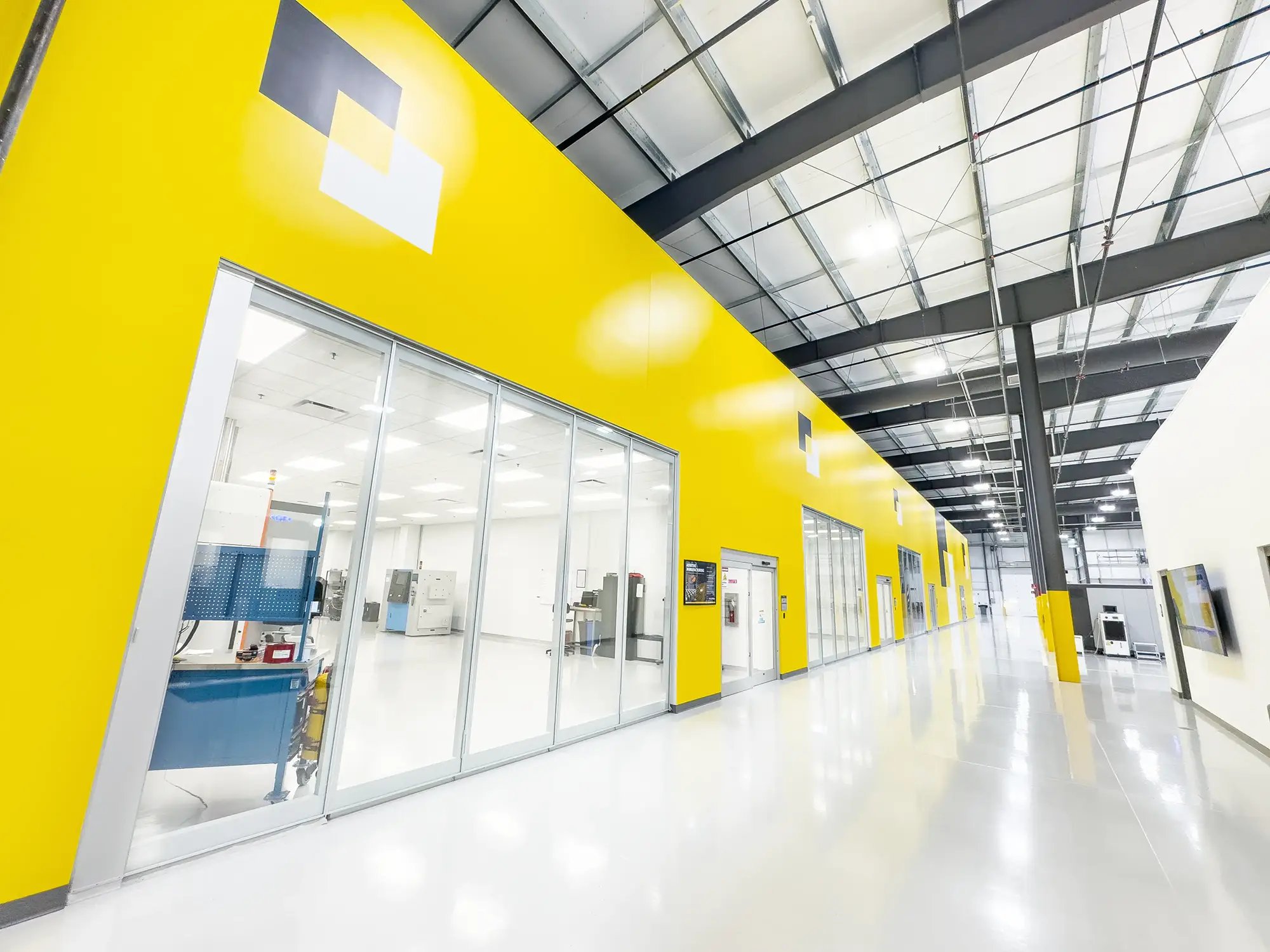
Advanced Additive Manufacturing & Precision Micro-Machining Facility
Operating within high-tech climate-controlled manufacturing floors, our facility houses multi-axis Swiss turn machines, wire EDM, laser welding, and high-precision titanium printer arrays capable of producing ultra-tight tolerance (±0.0025mm) implant components for global export markets.
Frequently Asked Questions for Medical Implants Sourcing
Empowering Global MedTech Brands with Proven Reliability
From specialized spinal fusion cages to complex surgical robotics components, our global facilities stand ready to accelerate your product commercialization.
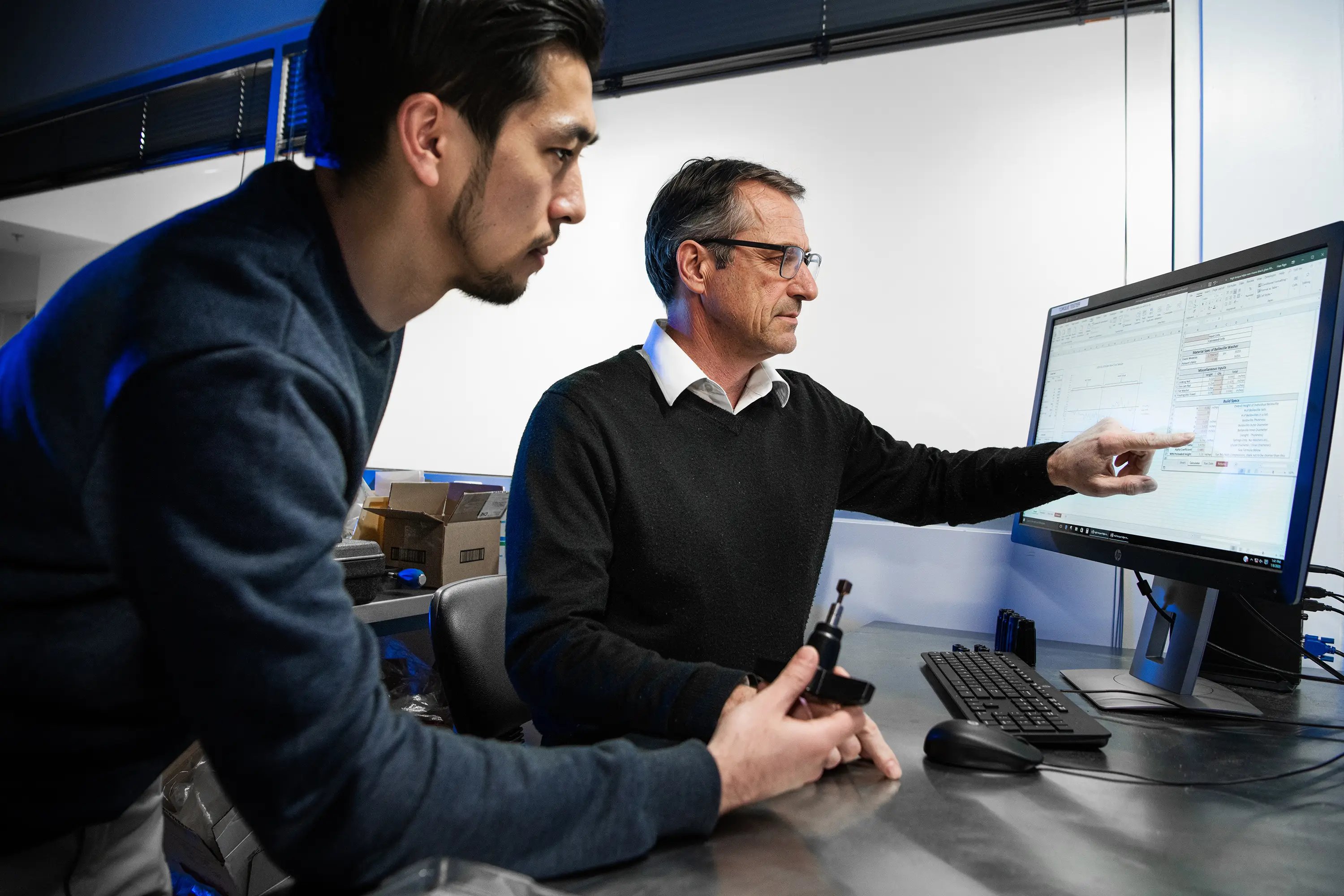
Dedicated Design & DFM Innovation Centers
Collaborative engineering teams dedicated to optimizing part geometry for reduced unit cost and flawless manufacturability.
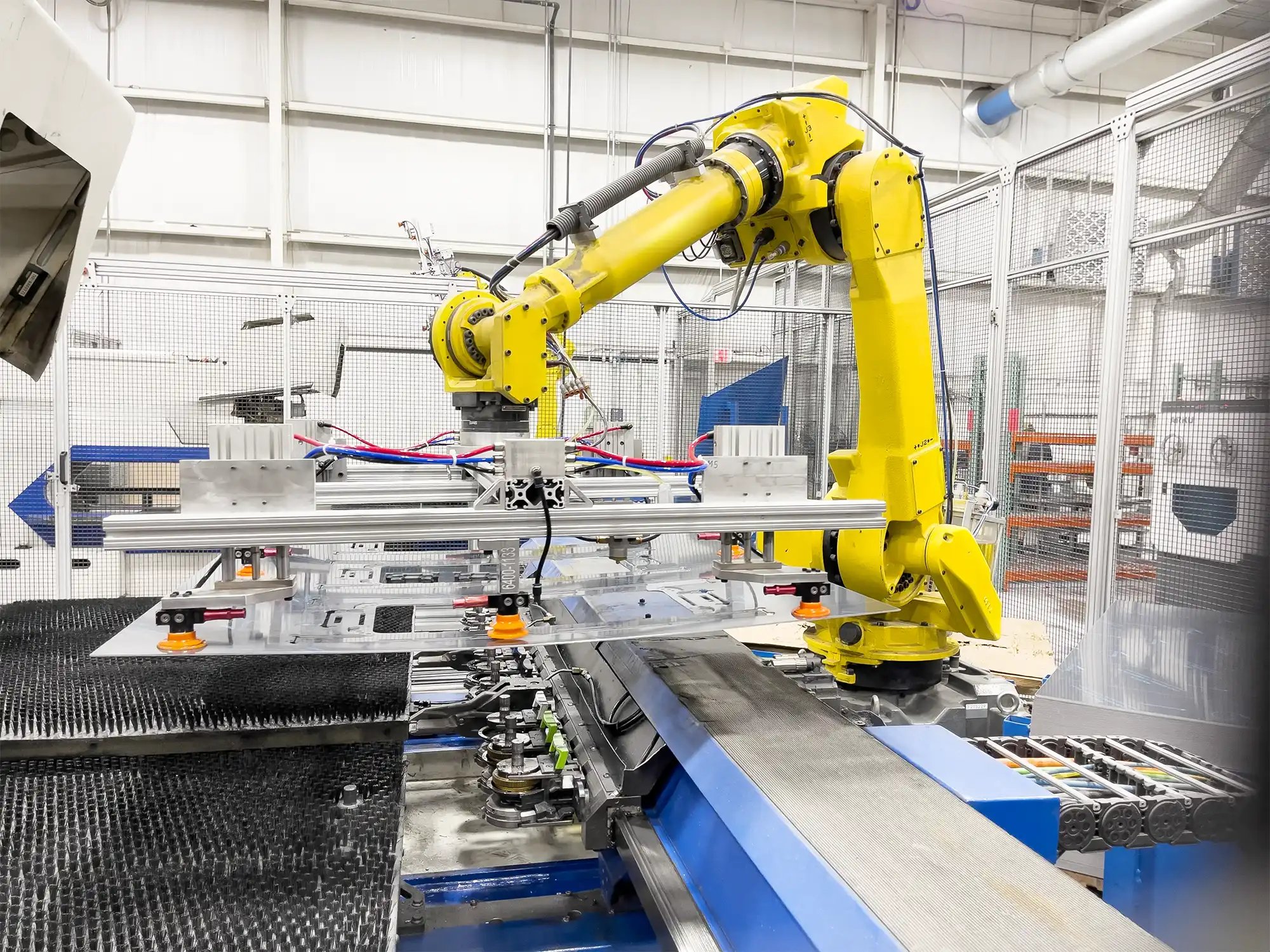
Automated High-Precision Machining
Robotic loading cells and multi-pallet 5-axis milling centers providing continuous 24/7 lights-out production.

Proven Clinical Performance
Over millions of precision implants manufactured and successfully implanted in surgical procedures worldwide.
Request a Custom Quote & DFM Review Today
Partner with a trusted CE Certified Titanium Medical Implants Manufacturer & Exporter. Speak directly with our senior application engineers to analyze your CAD models, review material certifications, or initiate rapid prototyping.