
Latest Medical Device Manufacturing Articles
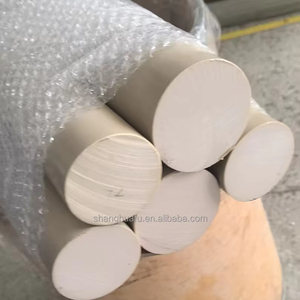
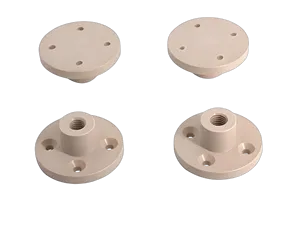
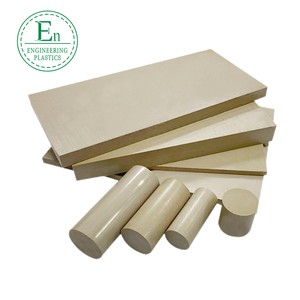
Featured Precision PEEK & Radiopaque Polymer Components
As a leading Chinese custom CDMO and precision machining manufacturer, we supply high-performance biocompatible polymers, radiopaque-loaded compounds (Barium Sulfate, Bismuth Subcarbonate, Tungsten), and ultra-precise micro-machined medical parts for global OEMs.
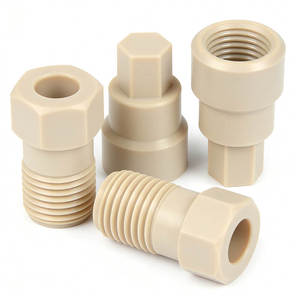
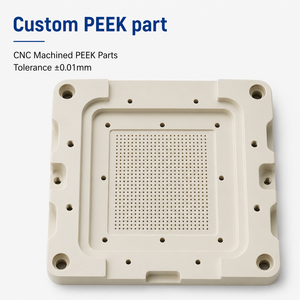
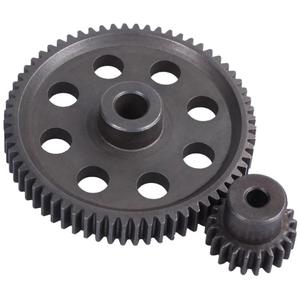
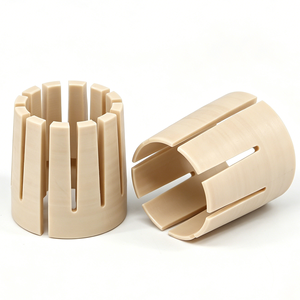
Engineering Whitepaper: Advanced Radiopaque Polymer Processing & Micro-Machining
In minimally invasive surgical (MIS) instruments, orthopedic implants, catheter components, and vascular access platforms, visual clarity under fluoroscopy and X-ray imaging is non-negotiable. Standard engineering thermoplastics like Polyetheretherketone (PEEK), Polytetrafluoroethylene (PTFE), Polyurethane (TPU), and Polypropylene (PP) possess low radiodensity, rendering them transparent under standard diagnostic imaging. To resolve this, specialized radiopaque additives—including Barium Sulfate (BaSO4), Bismuth Subcarbonate (Bi2O2CO3), Bismuth Oxychloride (BiOCl), and metallic Tungsten (W) powder—are compounded into the polymer matrix at precise mass ratios.
Achieving effective radiopacity without degrading the physical properties, modulus of elasticity, or biological safety of the base polymer requires advanced compounding technologies, customized tool geometry, and strict thermal management during CNC micro-milling and injection molding. As China’s leading radiopaque polymer component factory and exporter, our facility leverages state-of-the-art 5-axis CNC machining, Swiss-type lathe turning, and ISO Class 7 cleanroom compounding to engineer components that fulfill both regulatory requirements (ISO 10993, FDA Master Files) and surgical performance criteria.
Radiopacifier Science
Selection of optimal inorganic filler agents based on X-ray attenuation coefficients. Micro-particle sizing (d50 < 1.5 µm) guarantees uniform radiodensity under real-time fluoroscopic tracking without causing micro-structural stress concentrators.
PEEK Micro-Machining
Specialized high-speed CNC milling techniques tailored for filled PEEK resins. Optimized feed rates, diamond-coated solid carbide tooling, and cryogenic cooling prevent thermal degradation and micro-cracking during deep hole drilling.
Biocompatibility & Compliance
Full traceability under ISO 13485 QMS. Raw materials comply with USP Class VI, ISO 10993-5 (Cytotoxicity), ISO 10993-10 (Irritation), and REACH/RoHS environmental directives for permanent and short-term implantable devices.
Technical Matrix: Radiopaque Additives & Material Performance Characteristics
| Radiopaque Filler | Typical Loading (wt%) | Primary Base Polymers | X-Ray Attenuation Level | Key Advantage & Application |
|---|---|---|---|---|
| Barium Sulfate (BaSO4) | 10% - 40% | PEEK, TPU, PEBAX, PP | Moderate to High | Inert, highly cost-effective, standard for catheter shafts, vascular sheath markers, and surgical tubing. |
| Bismuth Subcarbonate | 10% - 30% | Polyurethane, PVC, PEBAX | High | Excellent radiopacity at lower loading, ideal for thin-walled diagnostic and therapeutic catheters. |
| Bismuth Oxychloride (BiOCl) | 15% - 35% | TPU, Thermoplastic Elastomers | High | Provides exceptionally smooth surface finish and low friction coefficient for intravascular components. |
| Tungsten Powder (W) | 30% - 80% | PEEK, Fluoropolymers, TPU | Ultra-High | Extreme radiopacification for thin micro-markers, embolization components, and radiation shielding parts. |
Future Procurement Trends in Radiopaque Medical Polymer Components
As global medical device original equipment manufacturers (OEMs) streamline their supply chains, contract manufacturing and design-for-manufacturability (DFM) partnerships are undergoing a dramatic transformation. Procurement executives and R&D engineering teams are shifting away from multi-vendor sourcing models toward single-source CDMO partners capable of managing raw material synthesis, precision CNC micro-machining, cleanroom molding, and secondary processing under one roof.
1. Micro-Miniaturization & Complex Geometries
Surgical trends toward structural heart repair and neurovascular interventions demand ultra-small radiopaque components. Modern procurement prioritizes suppliers equipped with Swiss 7-axis lathes and micro-hole array laser-drilling capabilities.
2. Dual-Sourcing & Supply Resilience in China
Global healthcare brands are expanding strategic purchasing hubs in China to leverage advanced tooling turnarounds, lower development costs, and robust engineering talent without compromising FDA or CE mark compliance.
3. Sustainable & Cleanroom-Ready Manufacturing
Cleanroom-manufactured, low-waste precision components packaged in sterile-ready configurations are becoming mandatory prerequisites for European and North American OEM procurement guidelines.
Industry & Product Development Trends: Next-Generation Medical Polymers
The radiopaque medical polymer industry is evolving rapidly beyond traditional mechanical blending. Recent technological breakthroughs focus on nano-filler dispersion techniques, composite hybrid materials, and additive manufacturing (3D printing) of medical-grade radiopaque PEEK resins.
- Homogeneous Nano-Dispersion Technology: Agglomeration of radiopaque particles leads to micro-voids and mechanical failure. Modern extrusion processes utilize high-shear twin-screw compounders to achieve sub-micron particle distribution, preserving material ductility.
- Radiopaque Additive Manufacturing Resins: Development of radiopaque PEEK filaments and SLA resins enables rapid prototyping of patient-specific implants with real-time X-ray visibility during reconstructive surgery.
- Surface Micro-Texturing & Bio-Integration: Combining radiopaque fillers with hydrophilic or hydrophobic surface modifications enhances biocompatibility while providing surgeons with crisp visibility under low-dose fluoroscopy.
Enterprise Competencies: Why Global OEMs Partner With Us
Combining decades of precision engineering heritage with cutting-edge medical plastic processing, our China facility serves as an end-to-end CDMO partner for market-leading healthcare brands.
ISO 13485 & FDA Registered Operations
Our quality management system guarantees full lot traceability, IQ/OQ/PQ process validations, and comprehensive material certification (CoA) for every shipment.
Ultra-Precision 5-Axis CNC & Micro-Machining
Equipped with high-speed Japanese CNC centers capable of micro-drilling hole arrays down to 0.05 mm diameter with zero burr and tight dimensional tolerances.
Custom Tooling & DFM Co-Engineering
Our engineering support team collaborates during early-stage prototyping to optimize part geometry for injection molding or CNC milling, reducing unit costs by up to 35%.
ISO Class 7 Cleanroom Production
Enclosed cleanroom environment for extrusion, injection molding, micro-machining washing, and double-pouch sterile packaging under controlled environmental parameters.
Frequently Asked Questions (FAQ) for Procurement & Design Engineers
Ready to Accelerate Your Medical Device Development?
Consult with our senior polymer engineers and precision machining specialists today for instant DFM feedback, material selection guidance, and competitive factory-direct quotations.
Contact Us