
Latest Medical Device Manufacturing Articles
±0.005mm
Ultra Precision Micro-Tolerances
100%
Virgin Medical-Grade PEEK / Radel
ISO 13485
Certified Quality Management
Class 7
Cleanroom Assembly & Packaging
Featured Medical-Grade Precision Components & Assemblies
Engineered for surgical instruments, implantable hardware, and diagnostic device prototypes.
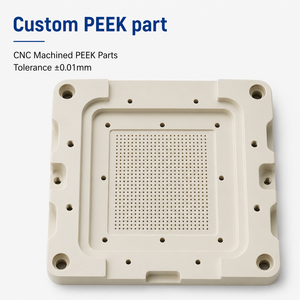
Custom CNC Machined PEEK Medical Fixture With Micro-hole Array
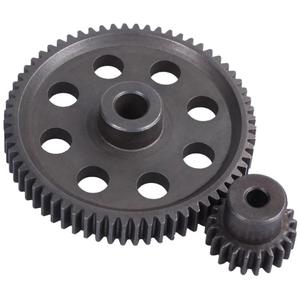
AS9100D Certified High Precision PEEK Milling Components
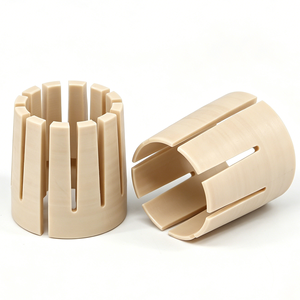
Customized Slotted PEEK Bushing High Performance Component
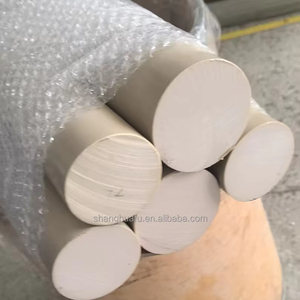
High-Performance Pure PEEK Unfilled Rod/Bar (Dia 6-250mm)
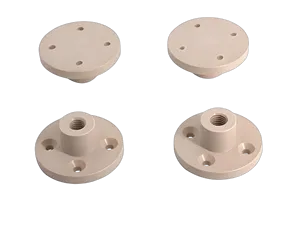
Custom Polymer PEEK Complex Shaped Structural Parts
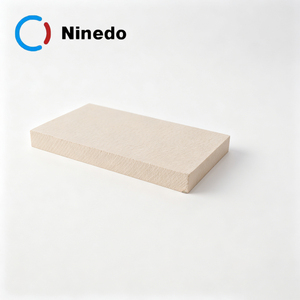
Custom Size High Temperature Resistant PEEK Sheet & Board
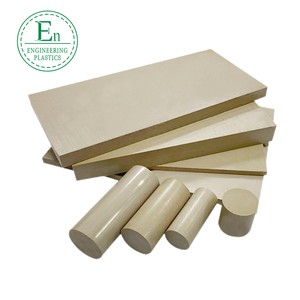
ISO 9001 Certified 100% Pure Raw Material PEEK Rod & Plate
Executive Industry Report: High-Precision Medical Prototyping Ecosystems in China
Navigating Regulatory Compliance, Advanced Polymer Machining, and Acceleration Strategies for Global MedTech OEMs
In the rapidly evolving global healthcare and contract manufacturing organization (CDMO) landscape, rapid medical prototyping serves as the vital bridge between conceptual clinical design and commercialization. As medical devices incorporate increasingly complex micro-fluidic geometries, robotic-assisted surgical linkages, and biocompatible polymers, selecting a top-tier Chinese prototyping manufacturer requires evaluating deep technical competencies rather than simple cost metrics.
Key Engineering Takeaway: Transitioning medical prototypes into FDA 510(k)-compliant commercial devices demands strict adherence to material stress relief, thermal history control during 5-axis CNC machining, and zero contamination in controlled ISO cleanroom environments.
Core Enterprise Competencies & Quality Management System (QMS)
Our state-of-the-art manufacturing facility operates as an integrated Contract Development and Manufacturing Organization (CDMO) equipped to handle full product lifecycles. Built upon a rigorous ISO 13485:2016 and AS9100D certified framework, our production environment guarantees absolute batch-to-batch repeatability and total material traceability.
ISO 13485 & FDA Registered
Full compliance with international medical device QMS requirements, providing comprehensive IQ/OQ/PQ validation protocol support for rapid prototype verification.
5-Axis Swiss & Micro CNC
Multi-axis precision milling and turning capable of sub-micron tolerances (±0.005mm) for micro-hole arrays, surgical fixtures, and complex fluid adapters.
100% Pure Virgin Polymers
Exclusive use of raw materials certified to USP Class VI, ISO 10993, and ASTM F2026 for implantable and surgical contact applications (PEEK, PPSU, PTFE).
Advanced Medical Material Selection & Machining Science
Comparative Analysis for Surgical, Diagnostic, and Implant Prototyping
Polyetheretherketone (PEEK) has emerged as the premier thermoplastic engineering polymer in medical prototyping due to its unique combination of radiolucency, modulus of elasticity matching human bone, and extraordinary resistance to repeated autoclave steam sterilization cycles (up to 260°C continuous service temperature). Below is an engineering comparison matrix for prototyping medical components:
| Material Grade | Tensile Strength (MPa) | Thermal Resistance (HDT °C) | Sterilization Compatibility | Primary Clinical Applications |
|---|---|---|---|---|
| Medical PEEK (Pure / Natural) | 95 - 100 | 160°C (Unfilled) | Autoclave, Gamma, EtO, VHP | Spinal cages, surgical fixtures, micro-fluidic adapters, trial implants |
| 30% Carbon Fiber PEEK | 130 - 140 | 315°C | Autoclave, Gamma, EtO | Targeting guides, radiolucent surgical retractor frames, structural arms |
| Radel® PPSU (Polyphenylsulfone) | 70 - 75 | 207°C | Repeated Steam Autoclave (1,000+ cycles) | Surgical instrument handles, sterilization trays, trial sizers |
| Titanium Ti-6Al-4V (Grade 5) | 860 - 930 | > 400°C | All Methods Compatible | Orthopedic joint implants, trauma plates, high-torque surgical bits |
| UHMWPE (Medical Grade) | 40 - 50 | 80°C | Gamma Radiation, EtO (No Autoclave) | Articulating joint liners, low-friction wear bushings, bearing pads |
Design for Manufacturability (DFM) in Micro-Hole PEEK Machining
Machining engineering plastics like PEEK for medical applications involves distinct physical challenges compared to metal milling. Due to PEEK’s lower thermal conductivity and high coefficient of thermal expansion, improper feed rates or unsharpened carbide tools can induce micro-cracking and internal stress accumulation around complex features like precision micro-hole arrays for surgical component assembly.
- Multi-Stage Thermal Stress Relieving (Annealing): Prior to critical finish machining, PEEK stock undergoes custom thermal cycles (heating to ~200°C with controlled ramp and cool-down cycles) to relieve internal stresses, preventing post-machining warping.
- Coolant Chemistry & Cleanliness: Utilizing ultra-clean, bio-compatible water-soluble synthetic coolants or dry chilled air machining to eliminate hydrocarbon contamination that could compromise ISO 10993 biocompatibility testing.
- Burr-Free Micro-Machining: Utilizing customized high-RPM micro-spindles (up to 60,000 RPM) paired with specialized PCD (Polycrystalline Diamond) tools to achieve burr-free edges on hole diameters down to 0.15mm.
Future Procurement & Technological Trends in Medical Prototyping
Key Market Drivers Reshaping Global MedTech Supply Chains (2026–2030)
1. Hybrid Additive & Subtractive Manufacturing
Global OEMs are increasingly combining 3D metal printing (SLM/DMLS Titanium) or PEEK 3D printing with high-precision 5-axis CNC finish machining. This hybrid workflow reduces prototyping lead time by up to 60% while maintaining tight geometric tolerances for critical mating interfaces.
2. Accelerating Demand for Surgical Robotics
The rapid growth of robotic-assisted surgery platforms demands miniaturized, ultra-lightweight structural components with minimal friction. Machined PEEK bushings, slotted sleeves, and cable pulleys are replacing traditional stainless steel to minimize inertia in robotic arms.
3. Direct Prototyping to Low-Volume CDMO
Procurement teams are shifting away from separate prototype vendors and high-volume factories. Modern medical device buyers prefer a unified CDMO capable of transitioning seamlessly from initial prototype engineering (1–10 units) to pilot runs (100–5,000 units) under ISO 13485 protocols.
Furthermore, geopolitical supply chain strategies are emphasizing risk mitigation via highly transparent contract manufacturers in China equipped with full Digital Twin DFM reporting, real-time CMM inspection data, and rapid international air freight logistics.
Frequently Asked Questions (FAQ) for Medical Prototyping Procurement
Expert Technical Insights for Sourcing Managers and Quality Engineers
What tolerances can your CNC medical prototyping process achieve for PEEK and engineering plastics?
Using climate-controlled 5-axis CNC machining centers and high-speed Swiss lathes, we routinely maintain dimensional tolerances of ±0.005mm (5 microns) on critical features such as micro-hole arrays, slotted bushings, and mating filter adapter threads. Optical coordinate measuring machines (CMM) inside temperature-stabilized QC labs verify all dimensions.
How do you ensure material compliance for implantable or tissue-contact prototypes?
Every batch of raw PEEK rod, sheet, or titanium bar stock is accompanied by full Material Test Reports (MTRs) and mill certificates directly from certified resin manufacturers (such as Victrex PEEK or Solvay Evonik). We provide complete lot traceability matching USP Class VI and ISO 10993 standards.
What is the typical lead time for custom PEEK medical component prototypes?
Standard fast-track prototyping turnaround is 3 to 7 business days from CAD design approval and DFM sign-off. For complex multi-axis assemblies requiring custom tooling fixtures or specialized surface treatments (e.g., passivation, glass-bead blasting, laser marking), lead times typically range from 10 to 14 business days.
Can you handle low-volume pilot production runs after prototyping?
Yes. As a certified CDMO manufacturing ecosystem, we seamless scale from 1 unit prototype orders up to low-volume initial clinical trial production runs (500 to 10,000+ units), utilizing automated robotic cell loading and validated CMM inspection procedures.