
Latest Medical Device Manufacturing Articles
Precision Engineered Component Portfolio
Specialized CNC-machined PEEK, high-performance polymer assemblies, and micro-hole array components for dialysis equipment and critical medical devices.
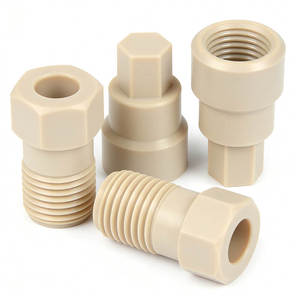
Custom High-Precision Medical PEEK Filter Adapter Component Made Plastic Parts CNC Machining Service
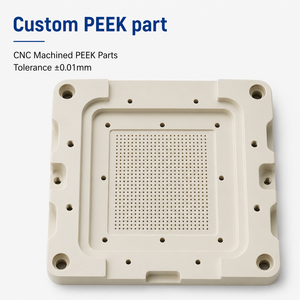
Custom CNC Machined PEEK Medical Fixture With Precision Micro-hole Array For Surgical Component Assembly
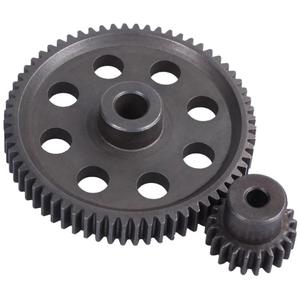
High Precision PEEK CNC Machined Parts AS9100D Certified Engineering Plastic Milling Components for Aerospace & Medical Industry
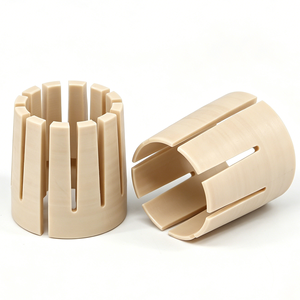
Customized Slotted PEEK Bushing Machining CNC Plastic Part High Performance PEEK Components For Industrial Use
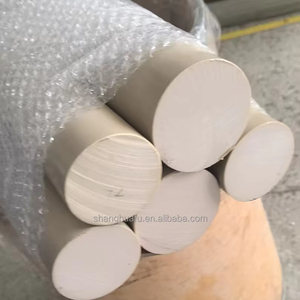
High-Performance Pure PEEK Unfilled Rod Bar Custom Diameter 6-250mm 260C Heat Resistant Aerospace Medical Grade Natural/Black
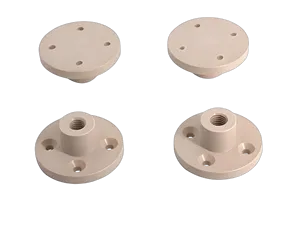
Customization With Multiple Functions And Specifications Electronic Electrical Structural Parts Polymer PEEK Custom-shaped Parts
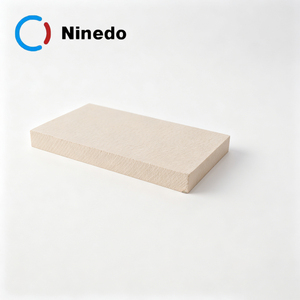
Custom Size High Temperature Resistant PEEK Sheet Polyetheretherketone Board for Medical Aerospace
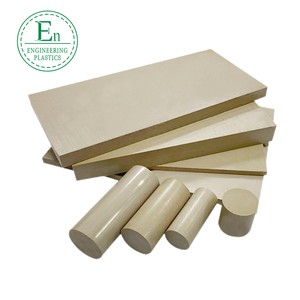
ISO 9001 Certified Precision100% Pure Raw Materials Heat Resistance Peek Medical Peek Bar Plate Poly Ether Ketone Peek Rod Plate
Engineering Excellence in Custom OEM Dialysis Components Manufacturing
A comprehensive analysis of fluidic architecture, biocompatible polymer selection, and zero-defect manufacturing standards for next-generation hemodialysis systems.
The Hemodialysis Fluidic Ecosystem: Critical OEM Engineering Challenges
Hemodialysis machines serve as artificial renal systems responsible for filtering metabolic waste, excess electrolytes, and fluid from patients with end-stage renal disease (ESRD). At the core of every renal care platform lies an intricate fluidic manifold and hydraulic management system. Precision in this subsystem is non-negotiable: blood-contact components must strictly adhere to haemocompatibility guidelines (ISO 10993-4) to prevent hemolysis, thrombosis, or complement activation, while dialysate distribution blocks must maintain exact stoichiometric mixing ratio accuracy under harsh thermal disinfection protocols.
As a specialized CDMO and precision manufacturing partner, our factories integrate multi-axis CNC milling, ultra-precision micro-drilling array technology, and validated ISO Class 7 cleanroom packaging to satisfy the exact requirements of global dialysis OEMs.
Medical PEEK (Polyetheretherketone)
Medical-grade unfilled PEEK (such as Victrex PEEK 450G or Solvay KetaSpire) stands as the premier material for critical dialysis fluidic connectors, valve blocks, and filter adapters.
- Continuous Operating Temperature: Up to 260°C; unaffected by hot citric acid or peracetic acid rinse cycles.
- Biocompatibility: USP Class VI, ISO 10993-5 (Cytotoxicity) & ISO 10993-11 compliant.
- Mechanical Strength: Flexural modulus exceeding 4.1 GPa, preventing stress cracking under high pulsation pressures.
- Zero Ion Extraction: Prevents heavy metal migration into pure RO (Reverse Osmosis) water streams.
Micro-Hole Arrays & Precision Machining
Ultrafiltration units and blood-dialysate separator modules require intricate micro-channel geometries to maintain uniform shear rates and flow distribution.
- Micro-Hole Diameters: Precision micro-drilling capabilities down to Ø 0.15 mm ± 0.005 mm.
- Surface Roughness (Ra): Internal channel polish achieved down to Ra < 0.2 µm to eliminate micro-thrombi formation points.
- Zero-Burr Guarantee: Cryogenic deburring & microscopic 50x optical inspection for fluidic paths.
- Multi-Axis Milling: 5-axis CNC machining of complex 3D internal flow manifold blocks.
| Performance Parameter | Medical-Grade PEEK (Unfilled) | Polyphenylsulfone (PPSU) | Stainless Steel 316L | OEM Engineering Advantage |
|---|---|---|---|---|
| Acid/Disinfectant Resistance | Exceptional (pH 1 - 14) | High (pH 2 - 12) | Moderate (Pitting under Bleach) | PEEK prevents chemical degradation & pitting. |
| Sterilization Cycles (Autoclave/Heat) | > 2,500 Cycles @ 134°C | > 1,000 Cycles @ 134°C | High (Risk of corrosion) | Extended equipment lifespan; reduced replacement frequency. |
| Biocompatibility / Leachable Risk | Zero Extractables (USP Class VI) | Zero Extractables (USP Class VI) | Nickel/Chromium Leach Risk | Ensures patient blood circuit safety. |
| Weight Reduction vs Metal | ~60% Weight Savings | ~65% Weight Savings | Baseline (Heavy) | Ideal for portable & home hemodialysis (HHD) units. |
| Machining Tolerance Precision | Up to ±0.005 mm | Up to ±0.010 mm | Up to ±0.002 mm | Sub-micron accuracy for microfluidic valve manifolds. |
Why Leading Global MedTech OEMs Partner With Our Factory
Combining over a century of manufacturing heritage with 1.2 million square feet of worldwide operational footprint and advanced CDMO infrastructure.
ISO 13485 & AS9100D Certified
Our manufacturing facilities operate under comprehensive Quality Management Systems registered with the FDA and certified to ISO 13485:2016 and AS9100D standards, ensuring strict traceability from raw resin to finished sub-assembly.
Controlled Cleanroom Assembly
To prevent particulate and bioburden contamination in extracorporeal dialysis lines, component cleaning, ultrasonic degreasing, assembly, and primary packaging are conducted within ISO Class 7 and Class 8 cleanroom environments.
End-to-End CDMO Lifecycle
From early-stage DFM (Design for Manufacturability) feasibility, rapid prototype milling, and V&V testing to high-volume automated production and strategic demand planning, we offer complete commercialization support.
Sub-Micron CMM Metrology
Equipped with Zeiss Coordinate Measuring Machines (CMM), optical profilometers, and CT scanning technology, every batch of PEEK bushings, filter adapters, and manifolds undergoes 100% critical-dimension verification.
Global Supply Chain Security
With 8+ global manufacturing facilities spanning North America, Europe, and Asia, we offer dual-sourcing capabilities, mitigating geopolitical and logistical risks for multinational renal care OEMs.
Future Procurement Trends in Dialysis Component Manufacturing
Market foresight for procurement directors, strategic sourcing managers, and R&D engineering leads navigating next-generation renal care technology.
1. Miniaturization for Home Hemodialysis (HHD) & Wearables
The global dialysis market is experiencing a structural pivot from traditional clinical dialysis centers toward Home Hemodialysis (HHD) and wearable artificial kidneys (WAK). Procurement teams are actively seeking suppliers capable of ultra-compact fluidic block integration. Converting multi-part metal assemblies into micro-machined, multi-layered PEEK integrated valve blocks reduces device footprint by up to 45% while eliminating external tubing leak points.
2. Smart Fluidic Components with Embedded Sensor Cavities
Next-gen hemodialysis systems rely heavily on real-time feedback loops for dialysate conductivity, blood temperature, air bubble detection, and venous line pressure. Sourcing specifications now require custom CNC parts designed with integrated mounting pockets for non-contact ultrasonic transducers and optical sensors, demanding tight micro-machining tolerances (within ±0.005 mm) to avoid signal distortion.
3. Regulatory Stringency & Full Chemical Traceability
Under EU MDR (Regulation 2017/745) and FDA 21 CFR Part 820 enforcement, procurement departments require complete raw material lot certification, biocompatibility test documentation (ISO 10993), and full chain-of-custody tracking. Factories offering virgin resin compliance (100% pure raw PEEK/PPSU without regrind) and full batch-level certificates of analysis (CoA) gain significant competitive advantage.
4. Transition from Sub-component Sourcing to Integrated Assemblies
Leading OEMs are shifting away from buying isolated bushings, filter adapters, and fittings from separate vendors. Strategic procurement now favors unified CDMO partners capable of manufacturing components, performing cleanroom ultrasonic washing, installing seals/O-rings, and delivering pre-tested, sterile-ready sub-assemblies directly to the final machine production line.
Evolution & Development Trends in Dialysis Component Manufacturing
How advancements in additive manufacturing, high-performance polymers, and surface engineering are reshaping renal replacement therapy equipment.
The 3-Generation Paradigm Shift in Dialysis Fluidics
The architectural evolution of dialysis machine hydraulic systems reflects ongoing pressure to improve disinfection efficiency, minimize priming volume, and extend operational lifespans under daily chemical washing routines.
Generation 1: Stainless Steel & Tubing Networks
Relied on intricate networks of silicone/PVC tubing connected to stainless steel manifolds. Highly susceptible to biofilm buildup, fluid leaks at barbs, and metal corrosion under acid disinfection.
Generation 2: CNC Machined Acrylic & Delrin Blocks
Introduced bonded acrylic flow plates and Delrin valve components. Provided visual fluid tracking but suffered from stress cracking under thermal shock during hot disinfection cycles (>80°C).
Generation 3: Monolithic Medical PEEK & Additive Micro-fluidics
The current gold standard. Monolithic PEEK manifolds crafted via 5-axis milling and polymer additive manufacturing (SLS/FFF). Zero stress cracking, unlimited heat cycle endurance, micro-hole arrays, and bio-inertness.
By combining polymer 3D printing for internal conformal fluid channels with high-precision CNC finish-milling for valve seat sealing faces, our factory achieves internal channel geometries previously impossible with traditional drilling—reducing dead fluid volume by up to 35%.
Frequently Asked Questions for Dialysis OEM Procurement
Addressing essential technical, quality, and supply chain queries from medical device engineering and strategic sourcing professionals.
Partner with a Leading Custom OEM Dialysis Component Factory
Accelerate your next-generation renal care system development with ISO 13485 certified precision engineering, PEEK machining expertise, and seamless CDMO support.