
Latest Medical Device Manufacturing Articles
Precision Coated Components & Processing Equipment
Explore our specialized ISO 13485 contract manufacturing capabilities—ranging from advanced nano-layer graphene coatings and medical-grade PVD sputtering to biocompatible polymers and custom implants.
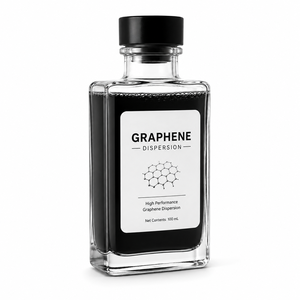
High Quality Few Layer Graphene (FLG) Liquid Coating 25 Layers 1000L
Inquire Now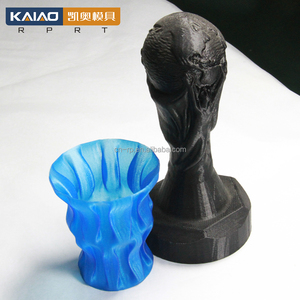
High Quality Rapid Prototyping CNC Aluminum Stainless Steel Medical Cart Housing Biocompatible Coating Medical Device Enclosure
Inquire Now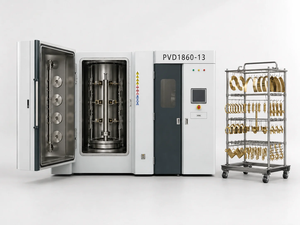
AsiaLink Industrial Vacuum PVD Ion Coating Machine Biocompatible Coating for Medical Instrument Metal Parts
Inquire Now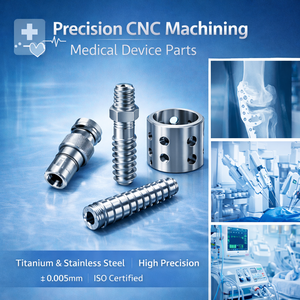
5-axis CNC Machining for MRI Scanner Housing Biocompatible Aluminum Parts
Inquire Now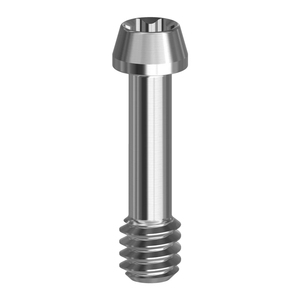
Biocompatible Titanium Dental Prosthetic Screw Internal Hex Implant Abutment Fixation Retaining Bolt
Inquire Now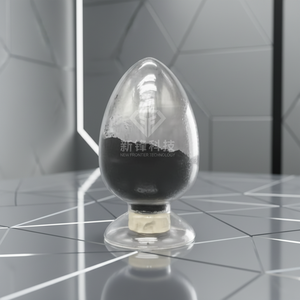
Coated Diamond Powder High Hardness Biocompatibility Electrochemical Diamond Manufacturer for Bioelectrodes Raw Material
Inquire Now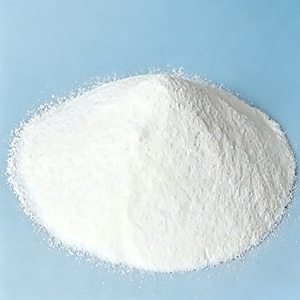
Horan Reliable High Purity USP Class Six Biocompatible PESU (Polyether Sulfone) Powder for Blood Plasma Separation Membrane
Inquire Now
Custom Blister Medical Blister Packaging Tray, Biocompatible PET Plastic Pack for Surgical Instrument Tools
Inquire NowAdvanced Biocompatible Coating Technologies: Technical Architecture
In modern medical technology—spanning implantable orthopedic devices, bio-electronic sensors, drug delivery systems, and minimally invasive surgical tools—the surface-material interface dictates clinical efficacy, hemocompatibility, and longevity.
Physical Vapor Deposition (PVD) Sputtering
Physical Vapor Deposition (PVD) ion coating utilizes high-vacuum arc plasma to deposit dense, sub-micron ceramic coatings such as Titanium Nitride (TiN), Titanium Aluminum Nitride (TiAlN), Chromium Nitride (CrN), and Diamond-Like Carbon (DLC). These thin films present exceptionally high micro-hardness (>2500 HV) and extreme resistance to fretting corrosion.
For precision surgical instruments and titanium implants, PVD surface modification effectively eliminates chemical leaching while maintaining critical dimensional tolerances without altering micro-geometry.
- Sub-micron film thickness (0.5 to 4.0 µm)
- ISO 10993-5 non-cytotoxic & non-hemolytic
- Low coefficient of friction (<0.15) for smooth insertion
Graphene & Diamond Electrochemical Matrix
Next-generation bio-electronics and cardiac rhythm electrodes utilize Few-Layer Graphene (FLG) liquid coatings and boron-doped electrochemical synthetic diamond powders. FLG matrices form impermeable barriers against oxidative degradation while offering unexcelled electrical conductivity for bio-sensing.
Electrochemical synthetic diamond powders provide a bio-inert coating platform for neural probes and smart bio-electrodes, suppressing tissue reactions and lowering impedance at the bio-interface.
- 25-layer structured nano-dispersion liquid systems
- High-charge injection capacity for bio-stimulation
- Chemically inert in aggressive biological fluids
USP Class VI Medical Polymer Coatings
For medical device housings, blood separation membranes, and drug-delivery pathways, polymer science requires rigid biological safety. Materials like Polyether Sulfone (PESU), Parylene N/C, and medical-grade biocompatible PET are engineered to satisfy stringent USP Class VI and ISO 10993 requirements.
These polymers deliver exceptional blood compatibility (low protein adsorption and minimal platelet activation), essential for plasma separation membranes, hemodialysis filters, and sterile packaging barriers.
- Endotoxin-controlled USP Class VI purity compliance
- Autoclave, Gamma, and EtO sterilization stability
- Controlled pore-size morphology for separation membranes
Biocompatible Coating Substrate Comparison Matrix
Selecting the optimum surface modification protocol depends on operational environment, mechanical load, bio-interface class, and sterilization requirements.
| Coating Technology | Primary Substrate Material | Layer Thickness | Biocompatibility Standard | Key Performance Attribute | Primary Application |
|---|---|---|---|---|---|
| PVD Titanium Nitride (TiN) | Stainless Steel, Titanium Grade 5 | 1.5 – 3.0 µm | ISO 10993-5, 10, 11 | Hardness >2400 HV, anti-wear | Orthopedic instruments, joint fixations |
| Few Layer Graphene (FLG) | Aluminum, Conductive Polymers | 25 Atomic Layers | ISO 10993-5 Cytotoxicity Pass | Ultra-high thermal & electrical conductivity | Bio-electronic sensors, neuro-electrodes |
| Polyether Sulfone (PESU) | Membrane Matrices, Fiber Synthetics | 10 – 50 µm film | USP Class VI / FDA Master File | Hemocompatible, non-thrombogenic | Plasma separation, blood filtration |
| Diamond-Like Carbon (DLC) | CoCr Alloys, Nitinol, Titanium | 0.8 – 2.0 µm | ISO 10993 Comprehensive | Coefficient of friction < 0.08 | Cardiovascular stents, guide wires |
| Anodized Titanium Oxide | Ti-6Al-4V ELI (ASTM F136) | 100 – 500 nm | ASTM F86 / ISO 10993 | Osteointegration enhancement | Dental implants, bone screws |
| Biocompatible PET / Polyolefin | Rigid Thermoformed Polymers | 250 – 500 µm | ISO 11607 Packaging Barrier | Zero outgassing, sterile integrity | Custom blister surgical trays |
Enterprise CDMO Advantages & Global Manufacturing Scale
We combine over a century of contract manufacturing legacy with modern innovation centers, giving global medical device OEMs complete operational confidence from early-stage prototyping to high-volume commercial scale.
Turnkey CDMO Ecosystem
Our fully integrated infrastructure spans 1.2 million square feet across global manufacturing sites. We eliminate supply chain friction by uniting 5-axis CNC machining, additive metal manufacturing, PVD coating, cleanroom assembly, and sterile packaging under a single ISO 13485 certified umbrella.
- Comprehensive Design for Manufacturability (DFM) support
- Dedicated program managers ensuring transparent timelines
- Global redundancy mitigating geopolitical and supply chain risks
Rigorous ISO 13485 & FDA Compliance
Every coating deposition, raw polymer batch, and CNC-machined component undergoes rigorous validation. Our quality management system maintains FDA-registered facilities and complete traceability, offering comprehensive Master File (MAF) documentation to accelerate your 510(k) or PMA regulatory filings.
- ISO Class 7 and Class 8 cleanroom environmental monitoring
- Full mechanical testing: scratch adhesion, wear rate, contact angle
- Complete chemical characterization per ISO 10993-18
Future Procurement & Technological Trends (2025–2030)
As global regulatory bodies increase scrutiny under EU MDR (2017/745) and FDA guidance, medical device procurement is undergoing a structural transformation toward high-performance surface engineering.
Shift Towards Turnkey Surface Modification
Procurement directors are rapidly moving away from multi-vendor supply chains. Separating component machining, coating deposition, and cleanroom packaging introduces unacceptable risks of particulate contamination, handling damage, and regulatory friction.
The future of MedTech sourcing relies on strategic CDMO partners capable of providing single-source accountability from raw ingot processing to final sterile blister pack.
Bio-Functionalized & Antimicrobial Surfaces
Passive biological inertness is no longer the sole goal. Leading surgical instrument OEMs are demanding active surfaces—incorporating antimicrobial nanostructures, silver-ion dopants, or anti-biofouling hydrophilic polymer brush layers.
These advanced surfaces actively inhibit Hospital-Acquired Infections (HAIs) and biofilm formation on long-term implants and reusable endoscopic instruments.
Nanocomposites for Smart Bio-Sensors
With the proliferation of robotic-assisted surgical platforms and continuous wearable physiological monitors, micro-components require coatings that offer dual biological compatibility and precise electrical capacitance.
Few-Layer Graphene (FLG) and conductive diamond coatings lead this trend, enabling ultra-sensitive biosensing without triggering inflammatory tissue responses.
Frequently Asked Questions by OEM Buyers
Common questions regarding custom formulation, quality assurance, regulatory documentation, and production scalability for biocompatible coatings.
Q1: How do you verify coating biocompatibility according to ISO 10993 guidelines?
We execute a comprehensive suite of bio-evaluations through accredited testing partners. Standard testing includes Cytotoxicity (ISO 10993-5), Sensitization & Irritation (ISO 10993-10), Systemic Toxicity (ISO 10993-11), and Chemical Characterization (ISO 10993-18). For blood-contacting devices, Hemocompatibility (ISO 10993-4) testing is performed to ensure zero hemolysis or thrombus formation.
Q2: What substrate materials can be processed using your PVD ion coating systems?
Our industrial vacuum PVD ion coating machines process medical-grade Titanium alloys (Ti-6Al-4V ELI), Stainless Steels (316L, 17-4PH, 420, 440C), Cobalt-Chromium alloys, Nitinol, and select high-temperature engineered polymers like PEEK. Plasma surface pretreatment ensures atomic-level adhesion across all substrates.
Q3: Can you support low-volume prototyping as well as high-volume commercial production?
Yes. Our dedicated Innovation Centers feature agile 5-axis CNC machining, rapid additive manufacturing, and flexible PVD chamber configurations optimized for initial feasibility studies and clinical trial lots. Upon validation, production seamlessly scales into our automated high-capacity manufacturing lines.
Q4: How does Few-Layer Graphene (FLG) liquid coating improve bio-device performance?
FLG liquid coating provides a multi-layer nano-barrier that exhibits extreme chemical inertness, high mechanical strength, and superior thermal/electrical conductivity. It protects sensitive bio-electronic components from moisture ingress and ionic attack while preserving biological neutrality against cell culture line disruption.
Q5: What regulatory documentation is provided for international export compliance?
All shipments include comprehensive Certificates of Analysis (CoA), material origin traceability, process chamber run logs, coating thickness measurement reports (via XRF/profilometry), and ISO 13485 compliance certificates. Device Master File (MAF) access is available for FDA registration support.
Q6: Are your packaging solutions compatible with standard medical sterilization protocols?
Absolutely. Our custom thermoformed blister trays and medical packaging kits utilize biocompatible PET, PETG, and Tyvek® materials designed specifically to withstand Ethylene Oxide (EtO), Gamma Irradiation, Electron-Beam, and Steam Autoclave sterilization processes per ISO 11607 standards.
Accelerate Your Medical Device Project Today
Partner with an industry-leading global CDMO. Speak directly with our surface engineering specialists to discuss custom coating formulations, substrate machining, or turnkey manufacturing options.
Inquire Now