
Latest Medical Device Manufacturing Articles
Featured Surgical Power Tool Components & Assemblies
High-precision PEEK fixtures, custom CNC machined adapters, and biocompatible structural components compliant with ISO 13485 and AS9100D medical standards.
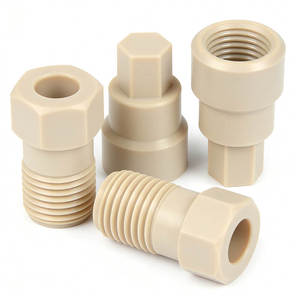
Custom High-Precision Medical PEEK Filter Adapter Component Made Plastic Parts CNC Machining Service
Inquire Now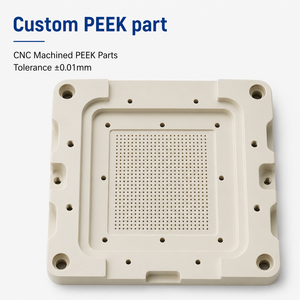
Custom CNC Machined PEEK Medical Fixture With Precision Micro-hole Array For Surgical Component Assembly
Inquire Now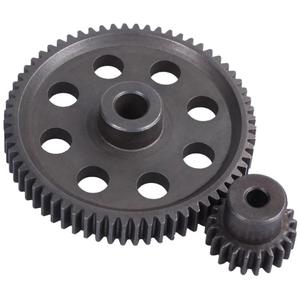
High Precision PEEK CNC Machined Parts AS9100D Certified Engineering Plastic Milling Components for Aerospace & Medical Industry
Inquire Now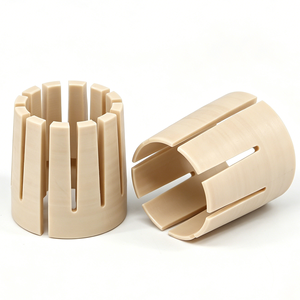
Customized Slotted PEEK Bushing Machining CNC Plastic Part High Performance PEEK Components For Industrial Use
Inquire Now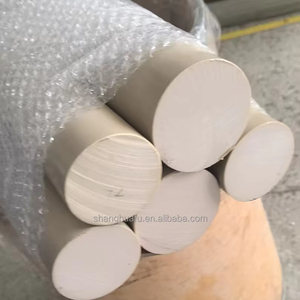
High-Performance Pure PEEK Unfilled Rod Bar Custom Diameter 6-250mm 260C Heat Resistant Aerospace Medical Grade Natural/Black
Inquire Now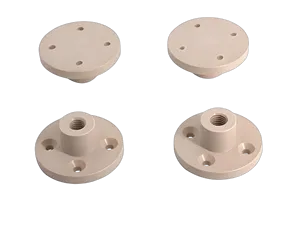
Customization With Multiple Functions And Specifications Electronic Electrical Structural Parts Polymer PEEK Custom-shaped Parts
Inquire Now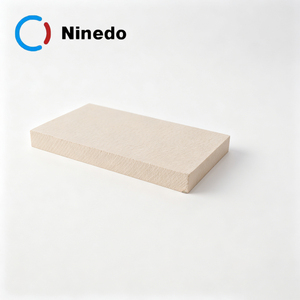
Custom Size High Temperature Resistant PEEK Sheet Polyetheretherketone Board for Medical Aerospace
Inquire Now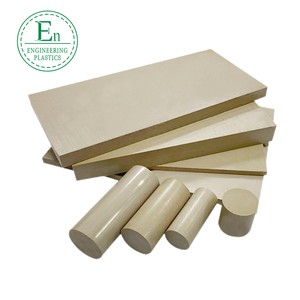
ISO 9001 Certified Precision 100% Pure Raw Materials Heat Resistance Peek Medical Peek Bar Plate Poly Ether Ketone Peek Rod Plate
Inquire NowExecutive Overview: The Evolution of Surgical Power Tool Sub-Assemblies in Modern MedTech
Surgical power tools—encompassing orthopedic reamers, neurosurgical drills, sternal saws, and arthroscopic handpieces—represent the nexus of high-precision mechanical engineering, advanced polymer science, and strict regulatory compliance. As modern surgical practices shift toward Minimally Invasive Surgery (MIS) and Robotic-Assisted Surgery (RAS), global OEMs require sub-assemblies that deliver higher power density, lower thermal generation, reduced vibration, and absolute bio-compatibility.
Historically, surgical power tool assemblies relied heavily on stainless steel components, which added significant weight and increased surgeon fatigue during lengthy procedures. Today, the integration of Polyetheretherketone (PEEK), carbon-reinforced polymers, and titanium micro-gears has revolutionized device ergonomics and electrical insulation. Suppliers featured in this benchmark guide are evaluated on their capacity to manufacture complex sub-assemblies capable of withstanding aggressive mechanical loads alongside repeated steam autoclave sterilization cycles (up to 134°C at 2.1 bar pressure).
Critical Anatomic Components of Surgical Power Tool Handpieces
A high-performance surgical power tool is an assembly of interconnected mechanical, electrical, and structural sub-systems. Leading global exporters specialize in fabricating key elements:
- Autoclavable Motor Housings & Outer Shells: Manufactured from medical-grade PEEK (unfilled, glass-filled, or carbon-reinforced) or anodized titanium alloys to ensure lightweight ergonomics, heat deflection, and dielectric protection against electrical leakage.
- High-Precision Planetary Gearboxes & Drive Shafts: Fabricated using custom-slotted PEEK bushings, ceramic bearings, and hardened stainless steel planetary gears to achieve high torque output (up to 12 Nm) while minimizing heat buildup.
- Cannulated Drive Assemblies: Hollow inner shafts engineered with micro-hole arrays and precision filter adapters, allowing Kirschner wires (K-wires) or flushing fluids to pass directly through the drill core during joint reconstruction.
- Quick-Coupling Attachment Interfaces: Modular chuck mechanisms and lock-rings allowing rapid swapping between drill heads, oscillating saw blades, and reamers during trauma procedures.
Top 10 Surgical Power Tool Assemblies Supplier Comparison Benchmarks
When selecting a contract development and manufacturing organization (CDMO) or specialized exporter for surgical power assemblies, global procurement teams must weigh material compliance, precision thresholds, quality certifications, and sterilization resilience.
| Supplier / Exporter Tier | Core Material Expertise | Machining Tolerance | Sterilization Standard | Quality Certifications | Primary Clinical Application |
|---|---|---|---|---|---|
| Paragon Medical (Tier 1 CDMO) | PEEK, Titanium, Stainless Steel, Additive Metal | ±0.002 mm | 1000+ Autoclave Cycles | ISO 13485, FDA Reg, AS9100D | Orthopedic Power Tools, Surgical Robotics |
| Specialized European Precision Exporters | Medical Stainless Steel, Ceramic Bearings | ±0.005 mm | 800+ Autoclave Cycles | ISO 13485, CE Mark | Neurosurgical Drills, ENT Handpieces |
| North American Micro-Machining Specialists | Unfilled & Carbon PEEK, Nitinol | ±0.003 mm | 1000+ Autoclave Cycles | ISO 13485, FDA Registered | Minimally Invasive Arthroscopic Tools |
| Asia-Pacific High-Precision Exporters | Medical Grade PEEK Rod/Sheet, Alloys | ±0.005 mm | 600+ Autoclave Cycles | ISO 9001, ISO 13485 | Trauma Power Tools, Sternal Saws |
| Global Polymer Component Manufacturers | Pure Raw PEEK, Polyetherketoneketone (PEKK) | ±0.008 mm | 500+ Autoclave Cycles | ISO 9001, AS9100D | Electrical Insulators, Bushings & Couplings |
Technological Evolution Trends in Surgical Power Tool Assemblies (2025–2030)
1. Shift Toward Sensor-Integrated Smart Assemblies
Next-generation surgical drills and reamers are incorporating real-time telemetry sensors directly into the motor housing assembly. Integrated torque and temperature sensors prevent bone tissue necrosis by alerting surgeons when drill speeds generate excessive heat (>47°C). Suppliers are developing customized slotted PEEK bushings and multi-channel internal wire channels to house micro-sensors without expanding handpiece outer dimensions.
2. Lightweighting Through High-Performance PEEK Polymers
Surgeon hand fatigue during lengthy spinal or total joint replacement operations is a critical clinical challenge. Replacing heavy metal motor shells with precision CNC-machined PEEK components reduces handpiece weight by up to 40%. Unfilled and glass-filled PEEK provide thermal insulation, ensuring the outer grip remains cool to the touch even when the inner brushless motor operates at speeds exceeding 40,000 RPM.
3. Additive Manufacturing & Hybrid Metal-Polymer Integration
Additive manufacturing (3D printing) of titanium drive shafts paired with subtractive micro-machining of PEEK filter adapters allows engineers to create internal cooling channels previously impossible with traditional machining. This hybrid manufacturing approach enhances fluid flow efficiency in cannulated drills, drastically improving debris flushing during orthopedic procedures.
4. Extended Sterilization Durability Standards
Hospitals globally are enforcing harsher decontamination protocols utilizing hydrogen peroxide gas plasma (STERRAD) alongside conventional steam autoclaving. Power tool suppliers are now forced to transition from standard plastics to ultra-high-molecular-weight engineering polymers like raw medical PEEK bars and plates, certified to retain tensile strength and dimensional integrity through 1,000+ continuous sterilization cycles.
Global Procurement Trends: Sourcing Surgical Power Tool Sub-Assemblies
As the MedTech supply chain faces increased regulatory scrutiny under European MDR and FDA regulations, global procurement officers are shifting their sourcing strategies away from fragmented component suppliers toward vertically integrated CDMO partners.
Key Procurement Priorities for MedTech OEMs:
- Sub-Assembly Consolidation: OEMs increasingly demand complete sub-assemblies (e.g., pre-tested motor housings containing PEEK bushings, seals, and gear assemblies) rather than individual raw components to streamline cleanroom packaging and final handpiece integration.
- Dual-Sourcing and Supply Chain Resiliency: Leading exporters with multi-site operations (spanning North America, Europe, and Asia) offer supply chain redundancy, safeguarding against regional logistics disruptions and material bottlenecks.
- Full Traceability & Material Certification: Sourcing managers mandate 100% pure raw material certification for engineering polymers (e.g., ISO 9001 certified PEEK bars and plates) accompanied by complete batch lot traceability, IQ/OQ/PQ process validation, and bio-compatibility documentation (USP Class VI / ISO 10993).
- Design for Manufacturability (DFM) Early Engagement: Collaborating with CDMO engineering teams during initial concept stages optimizes tolerance stack-ups, eliminates unnecessary machining passes, and accelerates time-to-market by up to 30%.
Why Partner with Us for Surgical Power Tool Assemblies?
With over a century of combined precision manufacturing heritage and 1.2 million square feet of state-of-the-art global manufacturing facilities, our enterprise delivers end-to-end design, micro-machining, cleanroom sub-assembly, and commercialization support for leading surgical power tool OEMs worldwide.
Advanced Multi-Axis CNC & Micro-Milling
Our facilities house state-of-the-art 5-axis Swiss CNC turning, micro-hole array drilling, and high-speed milling equipment specifically calibrated for PEEK, titanium, and cobalt-chrome alloys. We routinely hold tolerances within ±0.002 mm for intricate surgical handpiece components.
Stringent Quality Management & Regulatory Rigor
Operating under ISO 13485:2016, AS9100D, and FDA-registered quality management systems, every sub-assembly undergoes CMM dimensional validation, surface roughness profiling, and strict cleanroom sub-assembly to guarantee zero defect leakage.
Frequently Asked Questions (FAQ) – Surgical Power Tool Assemblies Sourcing
PEEK (Polyetheretherketone) provides a unique combination of high mechanical strength, lightweight ergonomics, superior electrical insulation (protecting against stray currents), and exceptional resistance to thermal degradation during repeated autoclave steam sterilization cycles (134°C). This drastically improves surgeon comfort while ensuring electrical safety during surgical procedures.
With multi-axis CNC micro-milling and Swiss precision turning, micro-hole arrays and intricate slotted bushings can achieve tolerances as tight as ±0.002 mm (±2 microns). Specialized thermal annealing during machining prevents stress warping inherent in high-performance polymers.
Sub-assemblies undergo accelerated cycle testing in accordance with ISO 17665 standards. Components are subjected to 500 to 1,000+ steam autoclave cycles at 134°C, followed by mechanical torque testing, micro-crack inspection via fluorescent penetrant testing (FPT), and dimensional CMM inspection to ensure zero structural failure.
Exporters must maintain an ISO 13485:2016 certified Quality Management System. For critical structural components, AS9100D (aerospace-grade quality rigor) and FDA registration are highly desirable. Complete raw material traceability, USP Class VI compliance, and full IQ/OQ/PQ validation reports must accompany production shipments.
Through dedicated rapid-prototyping innovation centers, initial functional prototypes and DFM samples are typically delivered within 2 to 4 weeks. Commercial production runs with complete ISO Class 7 cleanroom packaging require 6 to 10 weeks depending on material sourcing and custom tooling requirements.