
Latest Medical Device Manufacturing Articles
Featured Precision Syringe & Auto-Injector Machined Components
Engineered from 100% pure raw PEEK, biocompatible engineering polymers, and medical-grade alloys. Manufactured under strict ISO 9001 and ISO 13485 quality management systems for seamless device integration.
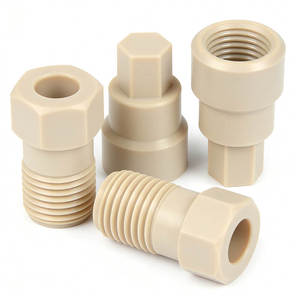
Custom High-Precision Medical PEEK Filter Adapter Component Made Plastic Parts CNC Machining Service
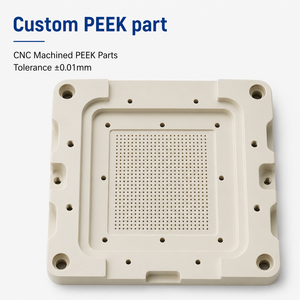
Custom CNC Machined PEEK Medical Fixture With Precision Micro-hole Array For Surgical Component Assembly
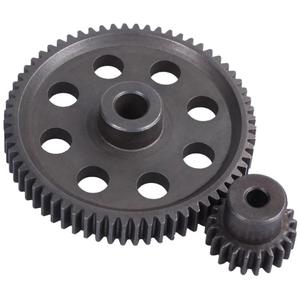
High Precision PEEK CNC Machined Parts AS9100D Certified Engineering Plastic Milling Components for Aerospace & Medical Industry
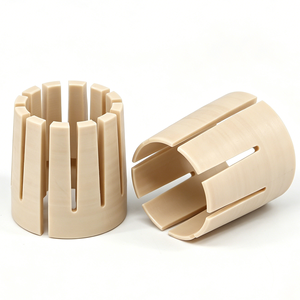
Customized Slotted PEEK Bushing Machining CNC Plastic Part High Performance PEEK Components For Industrial Use
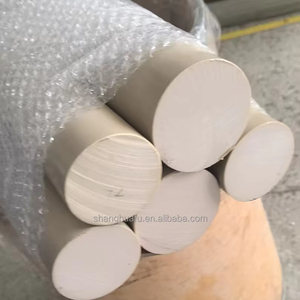
High-Performance Pure PEEK Unfilled Rod Bar Custom Diameter 6-250mm 260C Heat Resistant Aerospace Medical Grade Natural/Black
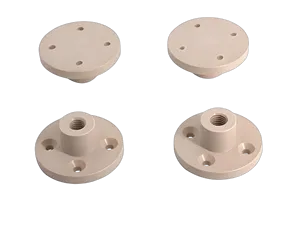
Customization With Multiple Functions And Specifications Electronic Electrical Structural Parts Polymer PEEK Custom-shaped Parts
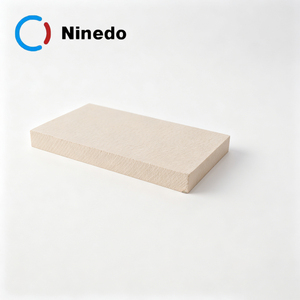
Custom Size High Temperature Resistant PEEK Sheet Polyetheretherketone Board for Medical Aerospace
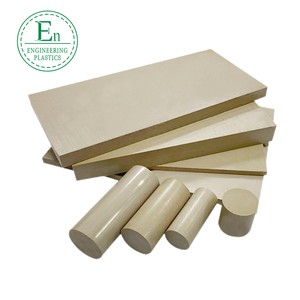
ISO 9001 Certified Precision 100% Pure Raw Materials Heat Resistance Peek Medical Peek Bar Plate Poly Ether Ketone Peek Rod Plate
Why Leading Global MedTech OEMs Partner with China's Premier Syringe & Auto-Injector Supplier
Combining deep polymer chemistry knowledge, state-of-the-art multi-axis CNC Swiss machining, ISO Class 7/8 cleanroom assembly, and rigorous risk management compliant with FDA 21 CFR Part 820.
ISO 13485 & AS9100D Certified Quality
Our manufacturing sites maintain stringent quality management systems audited by top-tier global notified bodies. Every syringe plunger rod, auto-injector housing component, and PEEK micro-adapter carries complete lot traceability and DHR (Device History Record) validation packages.
Sub-Micron Precision Micro-Machining
Equipped with ultra-precision CNC Swiss lathes, 5-axis milling centers, and EDM micro-drilling equipment. We deliver intricate micro-hole arrays, slotted PEEK bushings, and custom fluidic adapters engineered specifically for high-viscosity drug delivery systems.
ISO Class 7/8 Cleanroom Operations
From precision machining to automated ultrasonic cleaning, cleanroom assembly, and sterile packaging. We prevent sub-visible particulate contamination and ensure full compliance with ISO 11608 guidelines for needle-based injection systems.
Medical-Grade Polymer & Alloy Selection Matrix for Drug Injection Systems
Selecting the appropriate engineering plastic or medical alloy is critical for securing mechanical integrity, friction coefficiency, burst strength, and extractable/leachable (E&L) compliance under extended drug contact.
| Material Category | Key Performance Attributes | Biocompatibility & Standards | Primary Syringe & Auto-Injector Application |
|---|---|---|---|
| Unfilled Pure PEEK (Polyetheretherketone) | Extreme tensile strength, low friction coefficient, excellent dimensional stability, withstands 260°C continuous heat. | USP Class VI, ISO 10993, FDA Master File registered | Micro-filter adapters, plunger actuation pins, structural internal bushings, valve seats. |
| Carbon / Glass-Filled PEEK | Enhanced flexural modulus, minimum creep under sustained spring tension, superior wear resistance. | ISO 10993 Biocompatible, Gamma & Autoclave stable | Auto-injector main drive sleeves, high-force spring retainers, structural frames. |
| Cyclic Olefin Polymer (COP / COC) | Glass-like optical clarity, ultra-low moisture absorption, near-zero protein adsorption, high break resistance. | USP Class VI, EP 3.1.11, JP 7.02 compliant | Pre-fillable syringe barrels, dose indicators, micro-fluidic diagnostic cartridges. |
| PTFE / Fluoropolymer Components | Ultra-low glide force, chemically inert to aggressive formulation vehicles, zero extractable interference. | FDA 21 CFR 177.1550 compliant, USP Class VI | Syringe plunger stoppers, seal rings, friction-reduction liners in spring drives. |
| 316L VM / Titanium Grade 5 | High yield strength, corrosion resistance, ultra-smooth surface finish (Ra < 0.1 µm), passivated surface. | ASTM F138 / ASTM F136 Implant Grade | Precision needle hubs, drive springs, safety shield lock pins, cannulae adapters. |
Future Procurement Trends in China's Syringe & Auto-Injector Component Ecosystem
As global pharmaceutical markets shift toward self-administered biologics, GLP-1 receptor agonists, and high-volume monoclonal antibodies (mAbs), procurement teams must adapt to evolving manufacturing challenges.
Transition to High-Viscosity & Large-Volume Injection (LVI) Platforms
Modern biologic therapeutics frequently require injection volumes exceeding 2.0 mL with viscosities ranging from 10 cP to over 50 cP. Auto-injector mechanisms must withstand peak spring forces exceeding 50N without component deformation. Procurement managers are prioritizing suppliers capable of precision CNC milling high-modulus PEEK components that eliminate mechanical creep and prevent housing fracture during actuation.
Rigorous Extractable & Leachable (E&L) Risk Mitigation
Regulatory agencies such as the FDA and EMA are enforcing ultra-strict E&L profiling for drug contact surfaces. Modern China syringe component manufacturers are replacing traditional vulcanized rubber components with 100% pure raw PEEK, fluoropolymer, and liquid silicone rubber (LSR) parts machined in oil-free ISO Class 7 cleanrooms to eliminate organic leachables and heavy metal migration into sensitive drug formulations.
Integration of Smart Auto-Injectors & Wearable Delivery Devices
The rise of digital health has created demand for electromechanical auto-injectors equipped with Bluetooth connectivity, dose tracking sensors, and optical indicators. Component suppliers are now expected to provide hybrid structural components—combining high-precision structural PEEK plastic parts with conductive metal inserts and micro-array fixtures that accommodate sensor integration.
Automated Micro-Inspection & 100% Optical Quality Control
Leading Chinese contract manufacturers are replacing manual sampling with fully automated inline optical inspection systems, coordinate measuring machines (CMM), and laser profilometers. By guaranteeing Cpk > 1.33 across all critical-to-quality (CTQ) dimensions—such as needle hub concentricity, bushing inner diameters, and thread pitches—suppliers ensure seamless automated assembly on high-speed filling lines.
Full Regulatory Compliance & CDMO Supply Chain Resilience
Navigating global regulatory frameworks requires an experienced CDMO manufacturing partner. Our China manufacturing hubs provide comprehensive Design for Manufacturability (DFM) support, Moldflow analysis, stress simulation, and full IQ/OQ/PQ validation protocol packages to ensure your syringe and auto-injector devices achieve rapid 510(k) and CE mark approvals.
Frequently Asked Questions for Syringe & Auto Injector Sourcing
Direct technical answers to common questions encountered by medical device engineers, sourcing managers, and CDMO procurement directors when evaluating China suppliers.
Q1: What machining tolerances can you achieve for custom PEEK syringe component manufacturing?
Utilizing state-of-the-art 5-axis CNC Swiss machining and temperature-controlled production rooms, we consistently achieve dimensional tolerances down to ±0.005 mm (5 microns) for critical PEEK components, such as micro-hole arrays, filter adapters, and internal guide bushings.
Q2: How do you verify that medical PEEK raw materials are 100% pure without recycled content?
We source medical-grade PEEK resins exclusively from verified virgin resin producers (such as Victrex, Solvay, or Evonik). Every lot undergoes Fourier-Transform Infrared Spectroscopy (FTIR) testing, Melt Flow Index (MFI) analysis, and differential scanning calorimetry (DSC). Full raw material test certificates (CoA) are supplied with every order batch.
Q3: Are your auto-injector components compliant with ISO 11608 standards?
Yes. Our engineering and quality assurance teams design, machine, and inspect all needle-based injection system components in alignment with ISO 11608-1 through ISO 11608-5. We provide full support for glide force testing, break-than-glide evaluation, and torque/spring release verification.
Q4: What options do you offer for prototype sampling vs. high-volume commercial production?
We offer seamless escalation paths: from rapid CNC prototyping (1–50 units in 5 to 7 days) to low-volume pilot runs (500–5,000 units), and scalable multi-cavity injection molding or multi-spindle Swiss machining for multi-million unit commercial supply contracts.
Q5: How are components cleaned and packaged to prevent particulate contamination?
All machined syringe and auto-injector parts undergo multi-stage automated ultrasonic cleaning using deionized water and non-ionic surfactants. Parts are dried and double-vacuum sealed in cleanroom polyethylene bags within an ISO Class 7 / Class 8 environment to control particulate levels per USP <788>.
Q6: Can you assist with custom DFM optimization for high-viscosity drug delivery mechanisms?
Absolutely. Our senior medical device engineers review your 3D CAD models to optimize wall thickness uniformity, draft angles, gate placements, and thread profiles—reducing tooling stress, lowering unit manufacturing cost, and enhancing mechanical reliability during high-force injection cycles.