
Latest Medical Device Manufacturing Articles
Featured Precision Medical & PEEK Components
Engineered to strict ISO 13485 standards for trauma fixation systems, surgical robotics, and orthopedic implant assemblies.
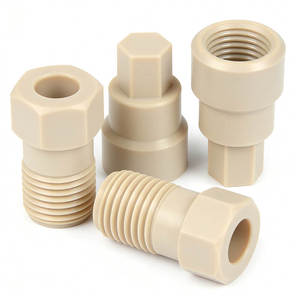
Custom High-Precision Medical PEEK Filter Adapter Component Made Plastic Parts CNC Machining Service
Get a Quote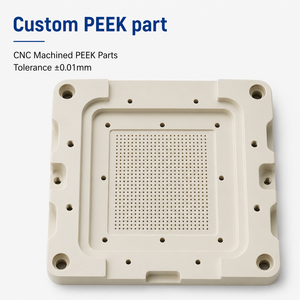
Custom CNC Machined PEEK Medical Fixture With Precision Micro-hole Array For Surgical Component Assembly
Get a Quote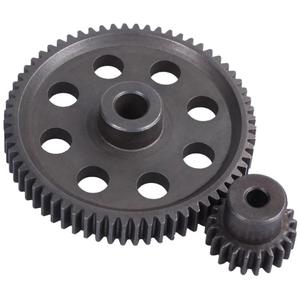
High Precision PEEK CNC Machined Parts AS9100D Certified Engineering Plastic Milling Components for Aerospace & Medical Industry
Get a Quote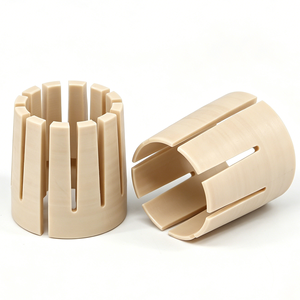
Customized Slotted PEEK Bushing Machining CNC Plastic Part High Performance PEEK Components For Industrial Use
Get a Quote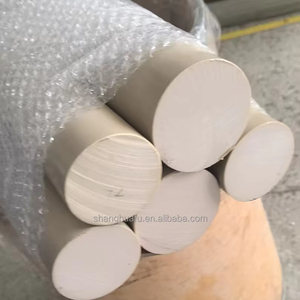
High-Performance Pure PEEK Unfilled Rod Bar Custom Diameter 6-250mm 260C Heat Resistant Aerospace Medical Grade Natural/Black
Get a Quote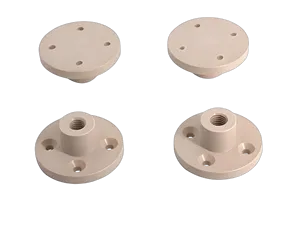
Customization With Multiple Functions And Specifications Electronic Electrical Structural Parts Polymer PEEK Custom-shaped Parts
Get a Quote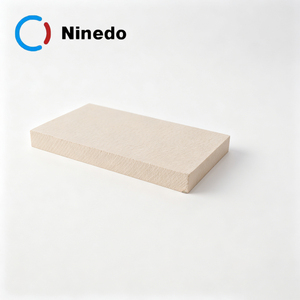
Custom Size High Temperature Resistant PEEK Sheet Polyetheretherketone Board for Medical Aerospace
Get a Quote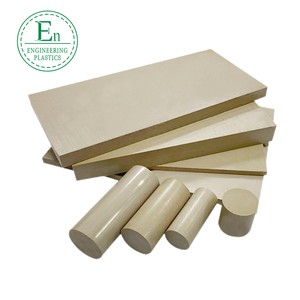
ISO 9001 Certified Precision 100% Pure Raw Materials Heat Resistance Peek Medical Peek Bar Plate Poly Ether Ketone Peek Rod Plate
Get a QuoteExecutive Industry Whitepaper: The Evolution of Trauma Fixation Systems
In modern orthopedic traumatology, the requirement for absolute anatomical reduction, rigid or flexible internal fixation, and early active mobilization has shifted manufacturing dynamics toward ultra-precision Contract Development and Manufacturing Organizations (CDMOs). As global medical device OEMs face compressed commercialization timelines and heightened regulatory oversight under EU MDR (2017/745) and FDA 21 CFR Part 820, sourcing from top-tier China trauma fixation systems factories has evolved from a pure cost-efficiency play into a strategic technological partnership.
Trauma fixation systems comprise complex clinical assemblies including locking bone plates, intramedullary nails, cannulated screws, external fixator pins, and radiolucent PEEK polymer structural components. Achieving structural biomechanical stability requires strict compliance with physical strength, fatigue limit thresholds, and biological compatibility (ISO 10993). Precision machining of implant-grade titanium alloys (Ti-6Al-4V ELI) and high-performance polyetheretherketone (PEEK) demands sub-micron tolerances, zero-burr surface finishes, and complete batch-level metallurgical traceability.
Traditional metallic implants (Stainless Steel 316L at ~200 GPa and Titanium Alloy at ~110 GPa) exhibit significant Young's Modulus mismatch compared to human cortical bone (15–30 GPa). This phenomenon induces stress shielding, causing bone resorption around the implant site. Advanced PEEK polymers (unfilled at ~3.6 GPa and CFR-PEEK at 18–22 GPa) closely mimic human bone mechanics, encouraging stress distribution, rapid callus formation, and superior radiolucency for intraoperative X-ray fluoroscopy.
Engineering Material Performance Matrix: Trauma Fixation Hardware
| Material Metric | Ti-6Al-4V ELI (Grade 23) | Medical Grade CFR-PEEK | Unfilled Medical PEEK | Stainless Steel 316LVM |
|---|---|---|---|---|
| Elastic Modulus (GPa) | 110 GPa | 18 – 22 GPa (Bone Matched) | 3.6 GPa | 200 GPa |
| Radiolucency (X-Ray/CT/MRI) | Artifact Creating (Opaque) | 100% Radiolucent (Clear) | 100% Radiolucent (Clear) | Heavy Artifact (Opaque) |
| Yield Strength (MPa) | 795 – 875 MPa | 220 – 300 MPa | 95 – 110 MPa | 690 MPa |
| Biocompatibility Standard | ISO 10993 / ASTM F136 | ISO 10993 / ASTM F2026 | ISO 10993 / ASTM F2026 | ISO 10993 / ASTM F138 |
| Primary Application | Load-Bearing Plates & Screws | Radiolucent Trauma Fixators | Bushings, Adapters & Fixtures | Temporary External Fixation |
Future Procurement & Technological Development Trends
Strategic analysis of next-generation trauma fixation supply chains, smart implants, and advanced manufacturing paradigms.
1. CFR-PEEK & Hybrid Polymer Integration
Procurement volume for Carbon-Fiber-Reinforced PEEK trauma plates is projected to grow at a CAGR of 11.4% through 2030. Surgeons prefer CFR-PEEK for oncological fracture fixation and complex trauma because radiolucency allows artifact-free CT/MRI post-operative assessment of callus growth.
2. Hybrid Additive-Subtractive CNC
The convergence of Direct Metal Laser Sintering (DMLS) titanium 3D printing with 5-axis Swiss CNC milling allows factories to produce complex porous trabecular surface structures integrated directly into anatomical trauma plates, improving osseointegration while maintaining micro-thread accuracy.
3. Supply Chain CDMO Consolidation
Global OEMs are consolidating vendor tiers, demanding end-to-end CDMO capabilities from Chinese partners. Qualified suppliers must provide Design for Manufacturability (DFM), raw resin extrusion, high-precision Swiss milling, ultrasonic washing, ISO Class 7 cleanroom packaging, and sterilization readiness.
4. Micro-Hole Array Precision Assembly
Modern trauma surgical guides and external fixators rely on custom PEEK fixtures featuring sub-micron hole arrays. Machining PEEK without thermal degradation requires specialized diamond-coated tooling, cryogenic coolant routing, and real-time laser micrometer inspection protocols.
5. Bioresorbable & Smart Trauma Fixation
Emerging procurement queries highlight interest in bioabsorbable magnesium alloys and sensor-embedded PEEK plates that transmit real-time strain and bone-healing data to clinicians via wireless telemetry, requiring sub-miniature cavity machining inside structural housings.
Why Leading MedTech OEMs Partner With Us
Combining deep engineering heritage, state-of-the-art multi-axis CNC machinery, and rigorous quality control for trauma system manufacturing.
Ultra-Precision 5-Axis Swiss CNC Machining
Equipped with Citizen, Tsugami, and Mazak multi-axis Swiss sliding headstock lathes and 5-axis milling centers capable of holding tolerances down to ±0.002mm for complex PEEK slotted bushings, filter adapters, and anatomical locking plates.
100% Medical-Grade Resin & Alloy Traceability
We source directly from accredited raw material producers (Victrex PEEK, Evonik, Carpenter Technology Titanium). Every batch comes with full Certificates of Analysis (CoA), raw resin master files, and complete raw material heat numbers certified to ISO 10993 and ASTM F2026.
ISO Class 7 & Class 8 Controlled Cleanrooms
In-house state-of-the-art cleanroom environment for multi-stage ultrasonic cleaning using bio-compatible chemistry, particulate testing, primary pouch sealing, and packaging according to ISO 11607 validation protocols.
Rigorous Metrology & Quality Assurance
Quality control labs fitted with Zeiss 3D Coordinate Measuring Machines (CMM), Keyence optical comparators, surface roughness profilers, and non-destructive testing (NDT) to ensure zero defect delivery for critical implantable components.
Trauma Fixation System Procurement FAQ
Expert technical answers addressing common OEM procurement, regulatory compliance, and engineering queries.
Q1: Why is medical-grade PEEK increasingly selected for trauma fixation and surgical fixtures over metallic alloys?
Medical-grade PEEK (Polyetheretherketone) offers a combination of biocompatibility, chemical resistance, and radiolucency. Unlike titanium or stainless steel, PEEK does not block X-rays or CT scans, allowing surgeons to monitor bone healing unobstructedly. Furthermore, PEEK's modulus of elasticity can be modified (especially CFR-PEEK) to closely match human cortical bone, reducing stress shielding and promoting faster callus recovery in trauma reconstruction.
Q2: What micro-machining tolerances can your factory maintain for PEEK surgical fixtures and adapters?
Utilizing high-speed 5-axis Swiss CNC milling machines equipped with real-time laser measurement probes and temperature-controlled machine enclosures, we achieve tight tolerances down to ±0.002mm (2 microns) for micro-hole arrays, slotted bushings, and complex filter adapter channels without causing burrs or material stress whitening.
Q3: How do you handle quality control and regulatory compliance (FDA 510k / EU MDR) for custom export orders?
Our Quality Management System is certified under ISO 13485:2016. We execute full IQ/OQ/PQ machine and process validations. Each production run includes complete Device History Records (DHR), material test certificates (MTRs), CMM dimensional inspection reports, and bio-burden test results to support seamless 510(k) or CE mark submissions by our OEM partners.
Q4: What sterilization methods are compatible with pure unfilled PEEK rods and custom components?
Unfilled and filled medical-grade PEEK components exhibit exceptional thermal stability (continuous service temperature up to 260°C). They are compatible with conventional hospital sterilization modalities including steam autoclaving (>1,000 cycles without structural degradation), Ethylene Oxide (EtO) gas, and Gamma radiation (up to 50 kGy without significant loss of tensile strength).
Q5: What is the typical lead time for prototype sampling vs volume manufacturing of custom medical components?
For rapid DFM evaluation and functional prototypes, our dedicated Innovation Center delivers CNC machined PEEK or Titanium samples within 5 to 7 working days. Full-scale production lead times range between 3 to 5 weeks depending on post-processing requirements such as anodization, passivating, and ISO Class 7 cleanroom packaging.
Accelerate Your Trauma Fixation System Manufacturing
Work directly with China's leading medical CDMO factory. Upload your STEP/IGES files for an instant Design for Manufacturability (DFM) review and preliminary quote.
Get a Quote