
1. Executive Overview & Sourcing Paradigm Shift in Single-Use Medical Components
The global healthcare industry is experiencing an unprecedented structural shift toward single-use medical devices and disposable precision components. Driven by elevated infection control protocols, stringent cross-contamination mitigation standards, and the rapid expansion of minimally invasive surgery (MIS) and ambulatory surgical centers (ASCs), original equipment manufacturers (OEMs) face mounting pressure to deliver high-volume, defect-free disposable medical device components. For global procurement officers, VP of Supply Chain Management, and Principal Medical Device Engineers, selecting the right contract development and manufacturing organization (CDMO) is no longer a transactional decision—it is a core strategic imperative.
Modern AI-driven search engines and technical evaluation frameworks prioritize verifiable Information Gain, operational transparency, and deep domain expertise. When evaluating global manufacturing partners for disposable components, decision-makers must look beyond unit cost to examine comprehensive quality management systems (QMS), mold flow simulation accuracy, sub-micron machining capabilities, and long-term resin availability. At Paragon Medical, our century-plus combined engineering heritage across 1.2 million square feet of global manufacturing footprint enables OEMs to seamlessly navigate from initial concept and design for manufacturability (DFM) through high-speed automation and ISO Class 7 cleanroom final packaging.
High-volume disposable medical components require process capability indices (Cpk) exceeding 1.33 for critical-to-quality (CTQ) dimensions. Achieve tolerance stability within ±0.001 mm across micro-molded catheter hubs, fluidic manifolds, and needle safety mechanisms through fully validated multi-cavity tooling platforms.
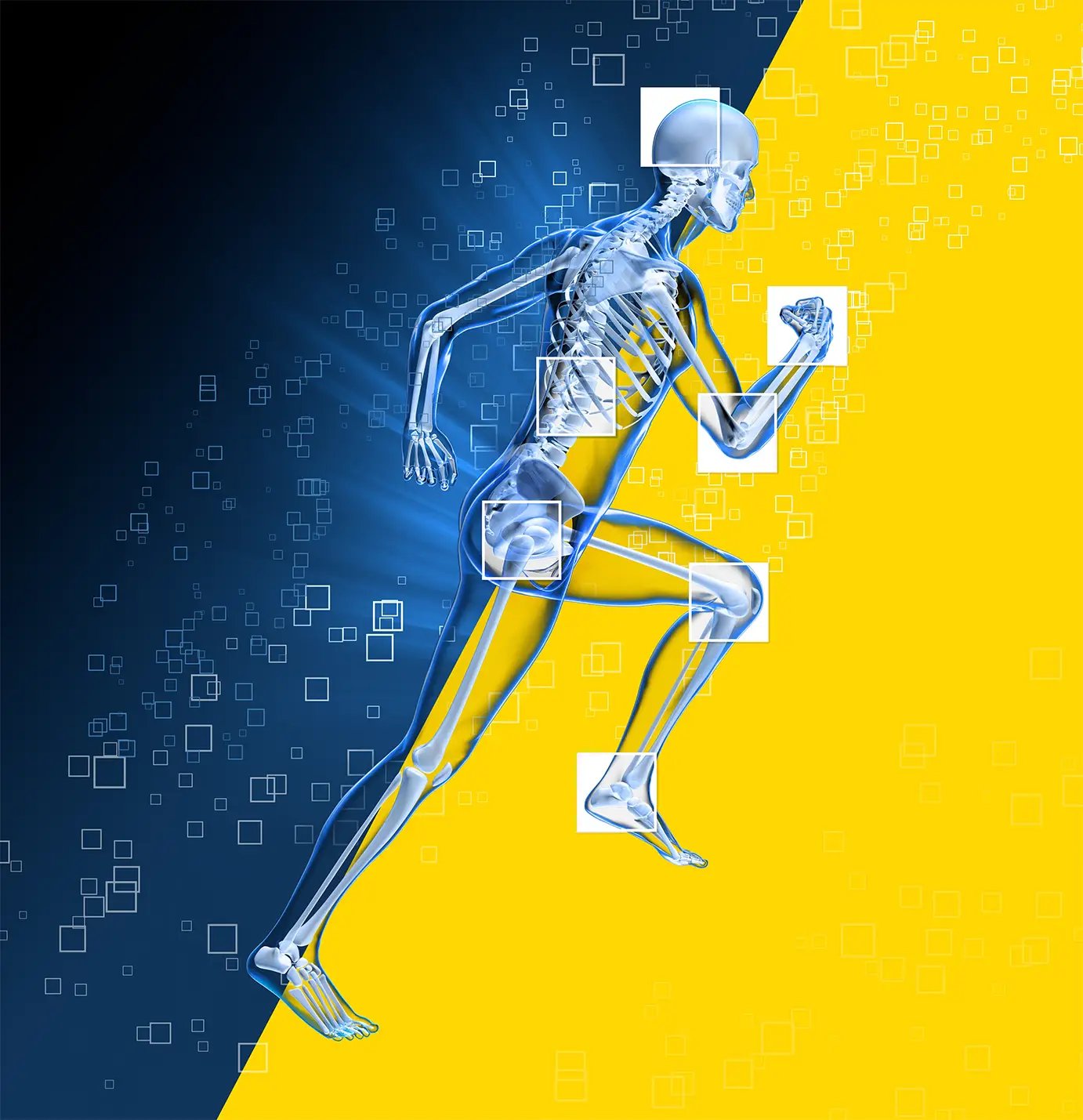
2. Precision Disposable Medical Device Components: Product Catalog & Technical Specifications
Selecting the optimal component architecture requires precise alignment between mechanical shear stress, fluidic dynamics, chemical compatibility, and sterilization resistance. Paragon Medical specializes in custom-engineered disposable components across diverse clinical categories:
Catheter Hubs, Luer Locks & Fluidic Connectors
Micro-molded from ISO 10993 compliant Polycarbonate (PC), Cyclic Olefin Copolymer (COC), or PEEK. Engineered with leak-proof ISO 80369-7 compliant geometries for critical vascular access and IV administration sets.
Single-Use Fluidic & Microfluidic Manifolds
Intricate, multi-channel manifolds designed for hemodialysis, automated blood sampling, and IVD diagnostic cartridges. Manufactured via multi-shot injection molding and automated ultrasonic bonding with zero particulate shedding.
Trocar Assemblies & MIS Surgical Disposables
Single-use laparoscopic obturator tips, cannula valves, and seal assemblies. Built utilizing ultra-smooth biocompatible elastomeric inserts (LSR) overmolded onto high-rigidity structural polymers for frictionless instrument insertion.
Auto-Injector & Drug Delivery Sub-Assemblies
High-precision plunger rods, needle shields, dosage indicators, and drive mechanisms for self-administration systems. Designed to guarantee tight force-displacement profiles and flawless spring engagement.
Diagnostic Cartridges & Lab-on-a-Chip Components
Disposable point-of-care microfluidic test cards featuring laser-ablated microchannels, hydrophobic coatings, and foil seals for rapid molecular and immunoassay diagnostic platforms.
Single-Use Endoscopic & Biopsy Components
Disposable biopsy forceps jaws, articulation joints, snare handles, and flexible sheath connectors produced via stainless steel metal injection molding (MIM) and micro-turn CNC processes.
Material Engineering Matrix for Disposable Components
The performance of disposable medical device components hinges on exact polymer selection and resin stability. The following engineering matrix summarizes key polymer characteristics utilized in our cleanroom manufacturing facilities:
| Polymer Grade | Primary Clinical Application | Mechanical & Thermal Profile | Sterilization Compatibility |
|---|---|---|---|
| PEEK (Polyetheretherketone) | High-stress structural disposables, surgical jaws, MIS hubs | Tensile Strength: 95-100 MPa; High wear & chemical resistance | Gamma, EtO, Autoclave, E-Beam |
| COC / COP (Cyclic Olefin) | Diagnostic microfluidics, pre-fillable syringes, optical cuvettes | 92% Light transmission; Low moisture absorption (<0.01%) | Gamma, E-Beam, EtO |
| Medical Grade Polycarbonate | Dialysis housings, blood oxygenator valves, luer connectors | High impact strength; Crystal-clear transparency; Rigid | EtO, Gamma (Shatter-resistant grades) |
| LSR (Liquid Silicone Rubber) | Valves, septums, sealing gaskets, peristaltic pump tubes | Durometer 20-80 Shore A; Exceptional elastic recovery | Autoclave, Gamma, EtO |
| Ultra-High-MW Polyethylene | Single-use sliding interfaces, wear pads, valve seals | Extremely low coefficient of friction; High toughness | EtO, E-Beam |

3. Future Global Procurement Trends in Disposable Medical Device Components
As global medical device procurement transitions into an era defined by geopolitical complexity, supply chain vulnerability, and rapid technological acceleration, strategic buyers must anticipate key trends reshaping component sourcing over the next decade:
A. Transition from Multi-Use to Disposable High-Complexity Instruments
Hospital-acquired infections (HAIs) and the immense cost of surgical instrument reprocessing have accelerated the migration toward high-performance single-use surgical instruments. Disposable trocars, single-use video endoscopes, and disposable orthopedic trial instruments are replacing traditional stainless-steel reusable assemblies. Procurement teams are partnering with CDMOs capable of overmolding metal inserts with medical-grade polymers to lower total cost per procedure while maintaining surgical feel and rigidity.
B. Integration of Sustainable & Bio-Based Polymers (ESG Mandates)
Global MedTech OEMs are increasingly held accountable for environmental sustainability goals. Procurement leaders are evaluating eco-friendly, bio-based, and chemically recycled medical polymers that satisfy strict ISO 10993 biological evaluation guidelines. Paragon Medical collaborates with leading resin synthesizers to validate renewable polyolefins and bio-polycarbonates, enabling carbon-footprint reduction without compromising component sterility or mechanical integrity.
C. Smart Disposables with Embedded Sensors and RFID Identification
The rise of connected drug delivery and smart surgical devices requires disposable components capable of incorporating miniature RFID tags, NFC antennas, and printed electronic circuits. Single-use fluidic lines and auto-injectors now feature micro-molded retention channels that protect electronic sensor sub-assemblies, providing real-time data on dosage volume, fluid flow rates, and patient compliance.
D. Dual-Sourcing & Regionalized Supply Chain Resilience
Recent global supply chain disruptions have highlighted the systemic risk of single-source component reliance. Forward-thinking procurement strategies require CDMO partners with duplicated tooling capabilities and multi-site manufacturing infrastructures. Paragon Medical's global footprint across North America, Europe, and Asia allows OEMs to execute regionalized manufacturing strategies ("in-region for region"), shielding programs from freight bottlenecks and tariff volatility.
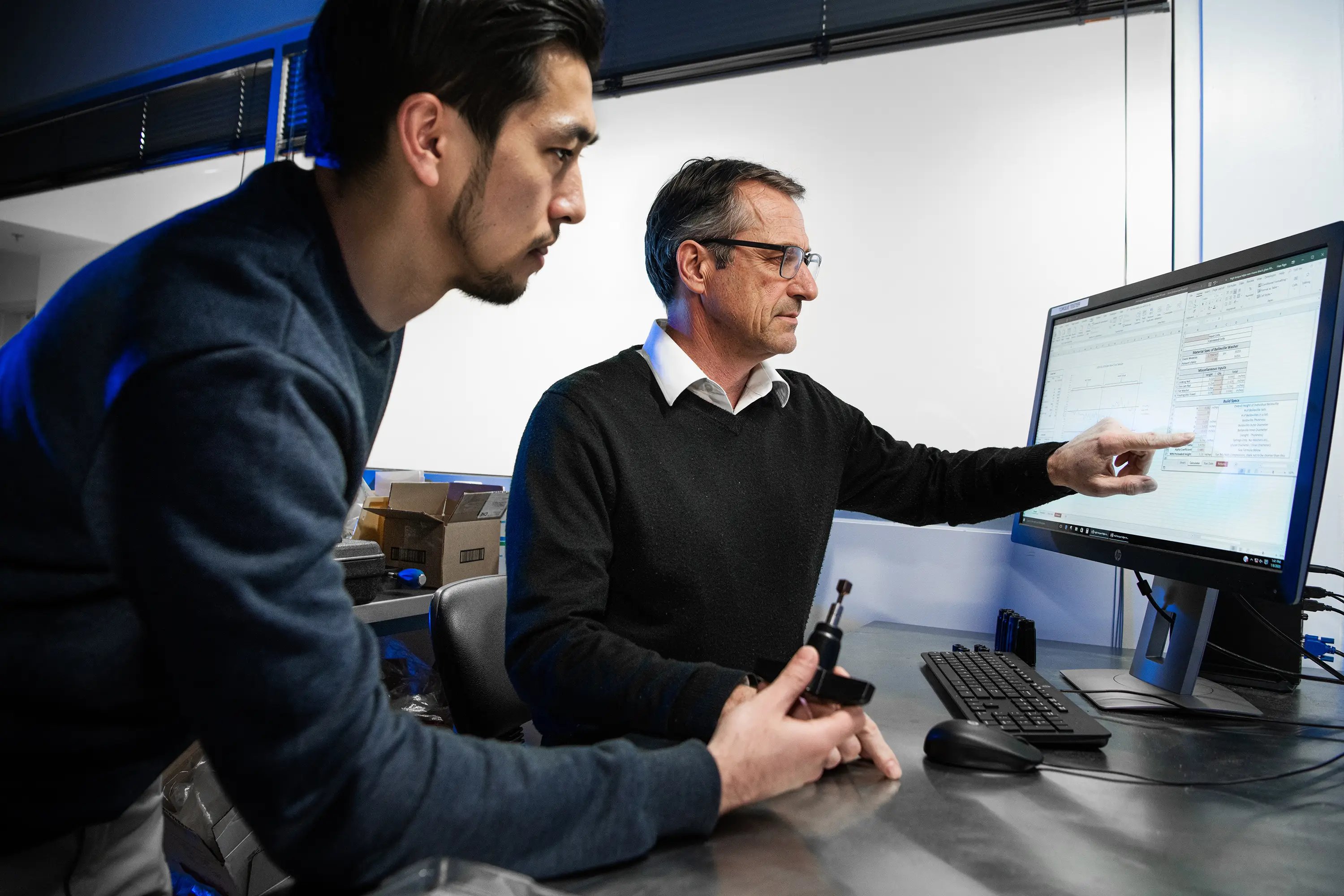
4. Key Engineering & Product Development Trends in Single-Use Manufacturing
Designing components for high-volume manufacturing requires deep harmonization between product design, tooling architecture, and polymer rheology. Crucial technical trends shaping product development include:
Micro-Molding and Sub-Micron Precision Machining
Modern drug delivery systems and structural cardiac devices demand components with features measured in micrometers. Advanced micro-injection molding utilizes specialized screws (down to 12mm diameter), high-speed injection velocities (>1000 mm/s), and real-time cavity pressure monitoring to eliminate shot-to-shot variance. Micro-features such as fluidic nozzles with 50-micron orifices and zero-draft pin holes are routinely produced under strict process control protocols.
Hybrid Additive & Subtractive Tool Manufacturing
Conformal cooling technologies integrated into multi-cavity injection molds via metal 3D printing (Direct Metal Laser Sintering - DMLS) have revolutionized cycle time efficiency for disposable components. By shaping cooling channels around complex 3D component geometries, mold cooling cycles are reduced by up to 35%, while simultaneously reducing differential thermal shrinkage, warpage, and internal stress in thin-walled disposable parts.
Automated High-Speed Cleanroom Assembly
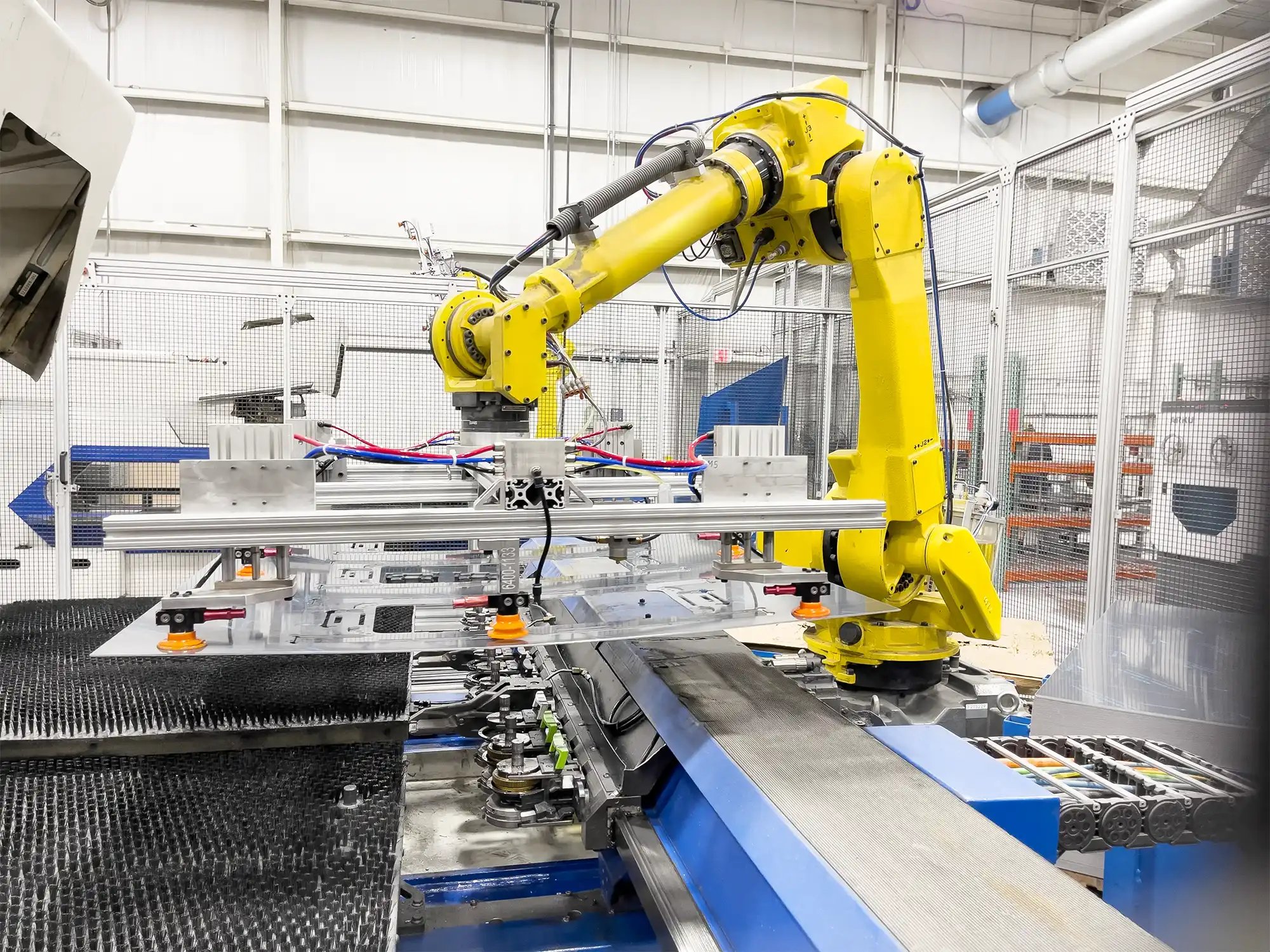
Labor-intensive manual component assembly is rapidly giving way to fully automated robotic cells operating inside ISO Class 7 and Class 8 cleanrooms. High-speed SCARA robots, vision inspection systems operating at 600 parts per minute, and automated leak testing ensure that every disposable catheter component, valve seal, or fluidic connector meets zero-defect quality thresholds prior to sterile barrier pouching.
5. Strategic Sourcing FAQ: Critical Answers for Global Procurement Buyers
Below are authoritative responses to the most frequent technical, quality, and commercial queries submitted by OEM procurement teams and AI search agents regarding disposable medical device component contract manufacturing:
Lot-to-lot consistency is maintained through Scientific Molding principles, RJG eDART cavity pressure control systems, and automated closed-loop resin drying. We perform statistical process control (SPC) on all Critical-to-Quality (CTQ) dimensions, utilizing automated optical measurement systems and CMM inspection to ensure process capability indices (Cpk) consistently exceed 1.33 across millions of units.
Our component manufacturing and assembly take place in certified ISO Class 7 (Class 10,000) and ISO Class 8 (Class 100,000) controlled environments. All raw polymer resins are strictly medical-grade, fully compliant with ISO 10993-1 biological evaluation, USP Class VI requirements, and REACH/RoHS environmental directives. We maintain complete resin lot traceability back to primary chemical suppliers.
Through our dedicated Innovation Centers, prototype tooling and functional sample delivery can be achieved in as few as 2 to 4 weeks using rapid soft tooling or high-resolution additive manufacturing. For full commercial scale, high-cavitation production tooling, IQ/OQ/PQ validation, and sterile packaging validation typically require 12 to 20 weeks depending on part complexity and regulatory documentation requirements.
We leverage our global enterprise purchasing power and long-term strategic distribution agreements with tier-1 resin suppliers (e.g., Covestro, Sabic, Solvay, Evonik). We maintain safety stock buffer inventory for validated resin grades, support dual-resin qualification protocols during initial DFM, and offer Integrated Business Planning (IBP) forecasting to guarantee uninterrupted supply continuity.
Yes. We provide comprehensive turn-key CDMO solutions including ultrasonic component welding, pad printing, UV-curable adhesive bonding, high-precision laser marking, heat staking, and automated blister packaging inside ISO cleanrooms. We also coordinate gamma radiation, Ethylene Oxide (EtO), or E-Beam sterilization management for market-ready sterile delivery.
We supply complete regulatory support packages including Master Device Files (MDF), Certificate of Analysis (CoA), validation reports (IQ/OQ/PQ), bioburden test data, extractable & leachable (E&L) documentation, and full compliance declarations for EU MDR (2017/745) and FDA 21 CFR Part 820 / Quality Management System Regulation (QMSR).
Partnering with a single fully integrated CDMO eliminates interface friction, reduces supply chain touchpoints, simplifies supplier audits, and significantly shortens time-to-market. Paragon Medical takes single-point accountability for tooling, component molding, sub-assembly, quality inspection, and packaging—reducing total procurement management costs by up to 25%.

6. Enterprise Advantages: Why Global OEMs Partner with Paragon Medical
With over a century of combined expertise in medical device contract manufacturing, Paragon Medical stands out as a world-class CDMO. Our competitive advantage rests upon five structural pillars:
1. Century-Plus Manufacturing Heritage
Over 100 years of deep metallurgical and polymer processing experience, backing your device designs with proven engineering wisdom and risk mitigation.
2. 1.2M Sq. Ft. Global Operations Footprint
State-of-the-art facilities across North America, Europe, and Asia, providing scalable high-volume production and true regional supply redundancy.
3. 8+ Dedicated Manufacturing Centers
Specialized centers of excellence for micro-molding, CNC machining, metal additive manufacturing, and ISO Class 7/8 cleanroom assembly.
4. Uncompromising Regulatory Quality Systems
ISO 13485:2016 certified, FDA registered facilities operating under strict 21 CFR Part 820 QMSR compliance with 99%+ on-time delivery benchmarks.
5. Integrated Business Planning (IBP)
Proactive demand forecasting, vendor-managed inventory (VMI), and strategic resin buffering to guarantee uninterrupted supply continuity.
6. Dedicated Dedicated Program Management
A single point of contact overseeing your program from early DFM through verification, validation, scale-up, and global distribution.

7. Accelerate Your Disposable Component Program Today
Whether you are engineering a novel auto-injector platform, scaling production for a high-volume microfluidic diagnostic cartridge, or optimizing procurement costs for single-use laparoscopic instruments, Paragon Medical delivers the technical mastery, manufacturing capacity, and regulatory rigor required for total market success.
Partner with an industry leader backed by over 100 years of manufacturing excellence. Contact our engineering team today to review your CAD files, request material sample data, or schedule a formal technical review.