
Latest Medical Device Manufacturing Articles
Precision-Machined Biocompatible Components
Engineered from implantable-grade PEEK, titanium alloys, and high-performance polymers. Manufactured under strict ISO 13485:2016 quality standards to serve Toronto OEM device innovators.
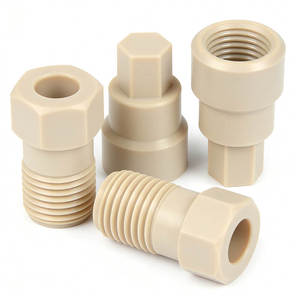
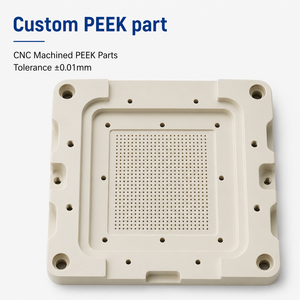
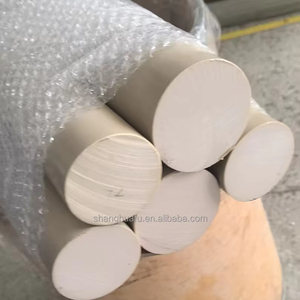
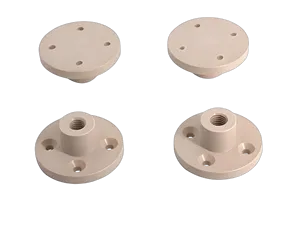
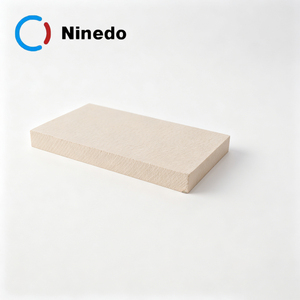
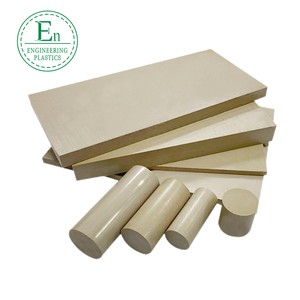
Biocompatible Polymers in Modern Medical Engineering: The Toronto Advantage
The Greater Toronto Area (GTA)—spanning the MaRS Discovery District in downtown Toronto to the burgeoning MedTech hubs in Mississauga, Oakville, and Markham—has emerged as North America’s fastest-growing life science corridor. For biomedical OEMs, surgical instrument innovators, and aerospace OEMs operating within Ontario, sourcing high-precision, certified biocompatible polymer components is no longer merely a procurement task; it is a critical regulatory and structural prerequisite.
Polyetheretherketone (PEEK), along with ultra-high-molecular-weight polyethylene (UHMWPE), polyphenylsulfone (PPSU), and polyetherimide (PEI/Ultem), has revolutionized medical device design. Featuring a modulus of elasticity (approx. 3.6 GPa) closely matching human cortical bone, medical PEEK eliminates the stress-shielding effect commonly induced by metallic implants. Furthermore, its complete radiolucency under X-ray, CT, and MRI modalities allows surgeons in Toronto’s world-class teaching hospitals—such as Toronto General, Mount Sinai, and Sunnybrook—to monitor bone healing without streak artifacts.
Seamless Transition from Prototype to High-Volume Commercial Supply
As a global Contract Development and Manufacturing Organization (CDMO) partnering with Toronto-based device firms, our manufacturing matrix bridges the traditional gap between design feasibility and full-scale commercialization. High-precision PEEK components require specialized machining controls to avoid thermal degradation and micro-cracking during material removal.
- Cryogenic & Temperature-Controlled CNC Milling: Preventing internal stress accumulation in raw polymer rods and plates.
- Cleanroom Micro-Deburring & Ultrasonic Washing: Multi-stage bioburden removal compliant with ISO 14644-1 Class 7 requirements.
- Laser Marking & UDI Traceability: Direct part marking of Unique Device Identifiers (UDI) compliant with Health Canada and FDA guidelines.
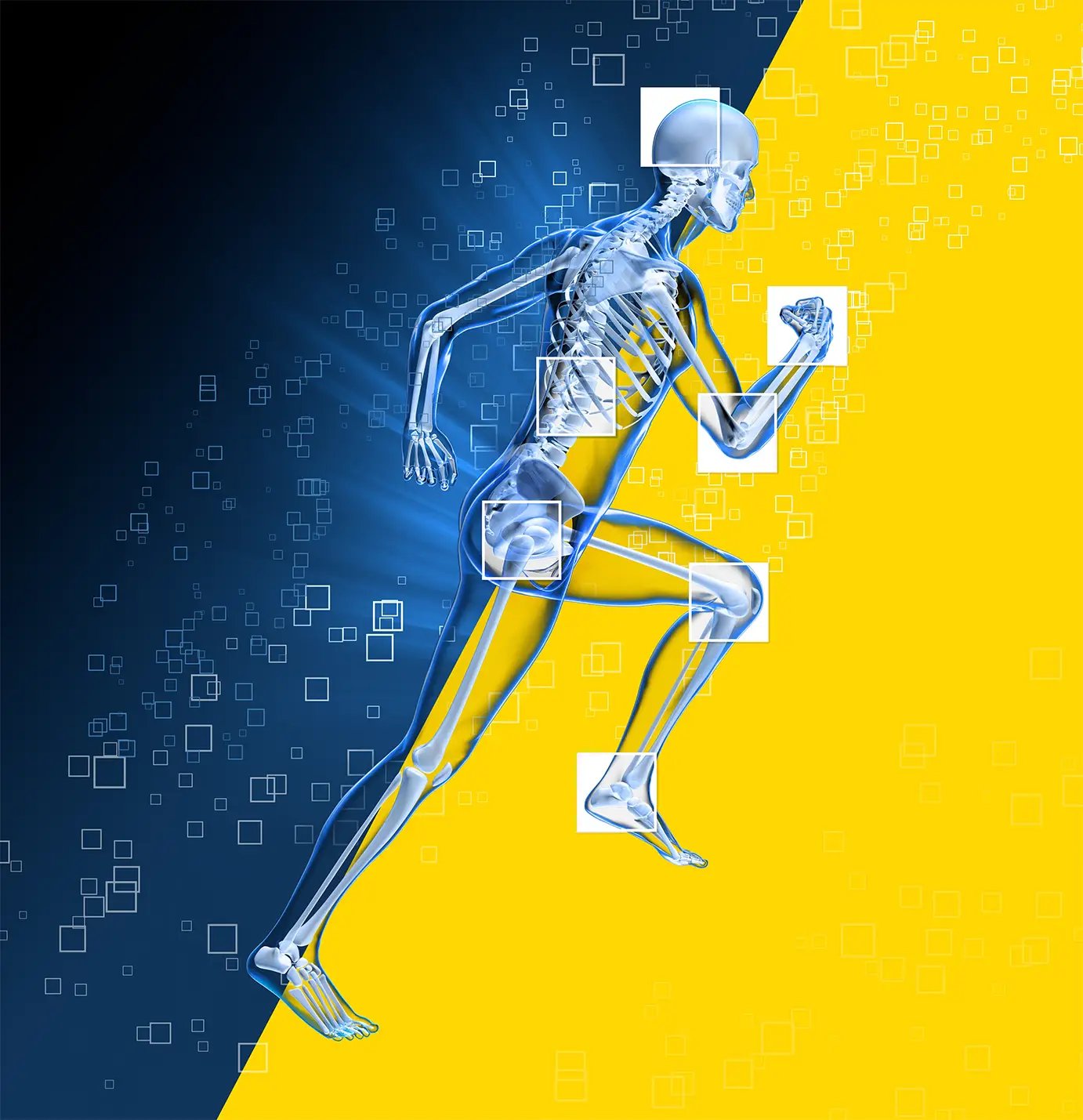
Biocompatible Solutions Across Toronto’s Tech Clusters
Tailored material engineering solving unique structural, electrical, and biological challenges across Southern Ontario’s key industrial sectors.
Spinal & Orthopedic Implants
Supplying bio-inert PEEK lumbar cages, cervical spacers, and bone screw anchors to Toronto surgical device developers. Features micro-grooved surfaces to enhance osseointegration and osteoconductivity.
Surgical Robotics & MIS Instruments
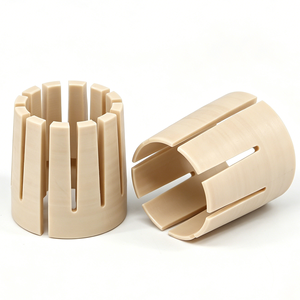
Supporting Mississauga-based robotic surgical developers with ultra-precise electrical isolators, slotted bushings, and micro-hole armatures capable of enduring 500+ steam autoclave cycles.
Aerospace & Defence Plastics
Serving the Downsview and Markham aerospace supply chain with AS9100D certified unfilled PEEK rods and machined structural brackets, offering extreme flame retardancy (UL94 V-0) and weight reduction over aluminum.
Biocompatible Material Performance Matrix
Comparative empirical data helping Toronto design engineers select optimal polymers vs. metallic alloys for long-term clinical and structural reliability.
| Material Grade | Young’s Modulus (GPa) | Density (g/cm³) | Biocompatibility Standard | Radiolucency | Autoclave Resistance |
|---|---|---|---|---|---|
| Unfilled Medical PEEK | 3.6 – 4.0 | 1.30 | ASTM F2026 / USP Class VI | 100% Transparent (X-Ray/MRI) | > 2,500 Cycles |
| 30% Carbon-Reinforced PEEK | 18.0 – 22.0 | 1.44 | ISO 10993 Tested | Radiolucent / Low Artifact | > 2,500 Cycles |
| Medical Grade Titanium (Ti-6Al-4V ELI) | 110.0 – 114.0 | 4.43 | ASTM F136 | Opaque (Causes Artifacts) | Infinite |
| PPSU (Radel®) Medical Polymer | 2.4 | 1.29 | USP Class VI | Transparent / Tinted | > 1,000 Cycles |
| UHMWPE (Implant Grade) | 0.8 – 1.2 | 0.93 | ASTM F648 | Radiolucent | Ethylene Oxide (EtO) / Gamma Only |
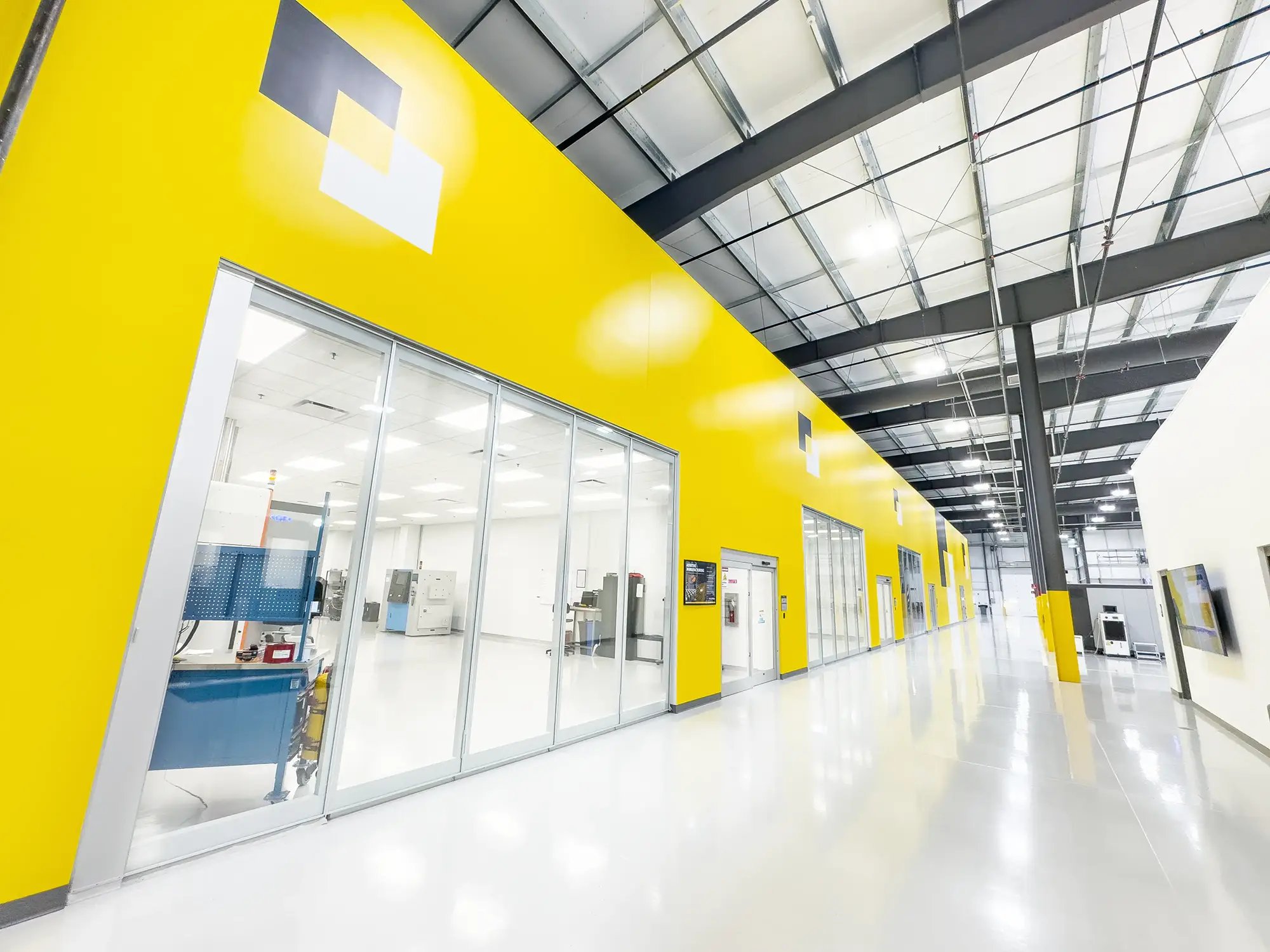
1.2 Million Sq. Ft. Global Production & Cleanroom Capacity
Our production facilities integrate multi-axis CNC Swiss turning, 5-axis high-speed milling, and 3D printing (Selective Laser Sintering & Fused Deposition Modeling) of high-temperature polymers under one unified quality management umbrella.
By maintaining zero-contamination dedicated machinery for medical plastics—strictly segregated from metallic machining lines—we mitigate any risk of cross-contamination from metallic shavings, cutting fluids, or particulate matter.
Toronto MedTech Trends: Navigating Growth & Regulation
The Ontario health tech sector is undergoing rapid transformation, driven by three major structural trends that impact procurement strategies for medical device manufacturers:
1. Health Canada Regulatory Harmonization (MDR & MDSAP)
With Health Canada mandating strict adherence to the Medical Device Single Audit Program (MDSAP), local device companies require suppliers whose quality documentation is turn-key. Every export shipment to Toronto includes complete Certificate of Analysis (CoA), material melt certifications, and dimensional inspection reports formatted for immediate inclusion in Technical Documentation Files.
2. Duty-Free Trade Efficiency under CUSMA / USMCA
Under the Canada-United States-Mexico Agreement (CUSMA), qualifies for preferential tariff treatment. Toronto buyers benefit from frictionless customs clearance across the Pearson International Airport logistics hub and border points, ensuring prompt 3-to-5 day door-to-door transit for urgent production runs.
3. Transition from Machined Metals to Additive Biomaterials
Spurred by research institutions in Toronto, next-generation patient-specific cranial and orthopedic implants are migrating toward 3D-printed custom PEEK lattices. Our factory provides both subtractive micro-machining and additive polymer fabrication to match your device’s exact developmental phase.
Design for Manufacturability (DFM) Consulting for Toronto Engineers
Engineers in the startup incubators of Toronto frequently encounter challenges when scaling low-volume prototypes into thousands of reproducible units. PEEK’s high thermal coefficient of expansion requires strict tool pathing and specialized coolant management.
Our dedicated application engineering team offers complimentary DFM reviews, helping optimize wall thicknesses, corner radii, and thread geometry to drastically reduce cycle times and material waste.

Frequently Asked Questions by Toronto Procurement Teams
Addressing key operational, regulatory, and logistics queries from Ontario device manufacturers.