Latest Medical Device Manufacturing Articles

Custom OEM Laser Welding Medical Components Manufacturer & Exporters Serving the Japan Market

High-Precision Micro Laser Welding, CNC PEEK Machining, & ISO 13485 Cleanroom Assembly for Japanese MedTech OEMs, PMDA Regulatory Compliance & Surgical Device Innovations

Precision OEM Catalogue

Featured Micro-Welding & Machined Components for Medical Devices

Specially engineered to meet strict Japanese MHLW Ordinance 169 & PMDA standards. Engineered with sub-micron tolerances, hermetic laser seal integrity, and medical-grade biocompatibility.

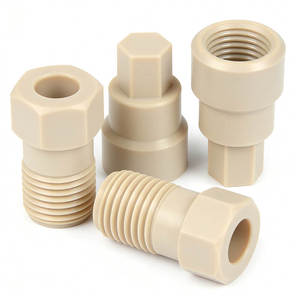
Custom High-Precision Medical PEEK Filter Adapter Component

Custom High-Precision Medical PEEK Filter Adapter Component

Ultra-low outgassing PEEK adapter manufactured via high-speed 5-axis CNC machining, designed for surgical fluid handling and endoscope filtration systems.

Material: Medical Grade PEEK (VESTAKEEP® / Victrex)
Tolerance: ±0.005mm | Cleanroom: ISO Class 7
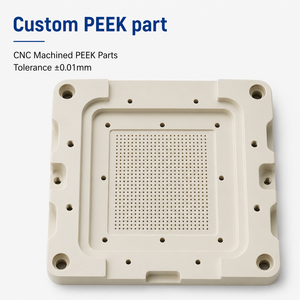
Custom CNC Machined PEEK Medical Fixture

Custom CNC Machined PEEK Medical Fixture with Micro-Hole Array

Precision alignment fixture with micro-drilled array patterns for robotic surgical tool assembly and laser micro-welding positioning.

Array Hole Dia: Ø0.15mm ±0.002mm
Application: Surgical Tool Micro-Assembly
High Precision PEEK CNC Machined Parts AS9100D Certified

AS9100D & ISO 13485 Certified PEEK Engineering Components

Biocompatible polymer milling components engineered for dual-use implantable surgical tools and aerospace life-support instrumentation.

Certifications: ISO 13485, AS9100D, PMDA Ready
Heat Resistance: Up to 260°C Continuous
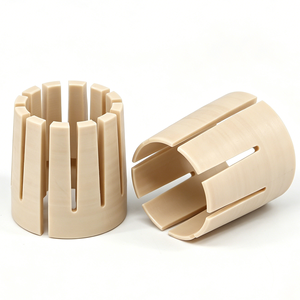
Customized Slotted PEEK Bushing Machining CNC Plastic Part

Customized Slotted PEEK Bushing & Micro-Sleeve Components

Self-lubricating, wear-resistant PEEK slotted bushings designed for high-cycle robotic surgical joint linkages and catheter guide sleeves.

Surface Finish: Ra 0.2µm | Autoclave: 1000+ Cycles
Customization: Tailored ID/OD & Slot Geometry
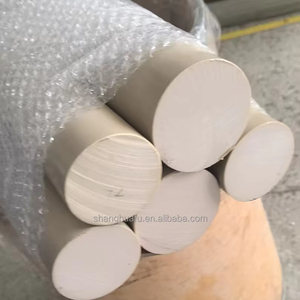
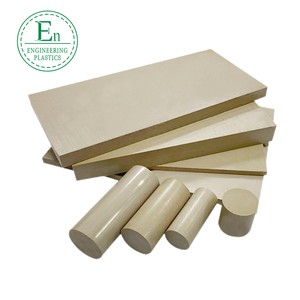
High-Performance Pure PEEK Unfilled Rod Bar

High-Performance Pure Medical Grade PEEK Rod & Bar Stock

100% pure unfilled implantable-grade PEEK bars (6-250mm diameter) for precision lathe turning of medical OEM components.

Compliance: USP Class VI, ISO 10993
Colors: Natural / Black | Origin Traceability: Full Lot ID
Electronic Electrical Structural Parts Polymer PEEK

Complex Molded & Machined PEEK Structural Insulators

Dielectric insulating structural assemblies for electrosurgical generators, active cardiac implants, and neurostimulation probes.

Dielectric Strength: High KV isolation
Process: Hybrid Injection Molding & Micro-CNC
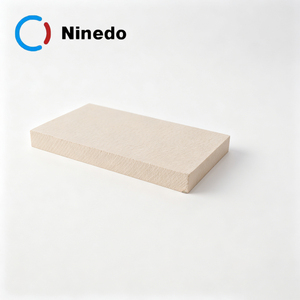
Custom Size High Temperature Resistant PEEK Sheet

Medical Grade High-Temp PEEK Sheets & Plates

Dimensionally stable stress-relieved PEEK plates suitable for CNC milling of complex surgical cassettes, manifold blocks, and diagnostic plates.

Thickness: 2mm to 100mm
Sterilization: Gamma, ETO, & Steam Compatible
ISO 9001 Certified Precision 100 Pure Raw Materials Peek Bar

Raw Biocompatible Polyetheretherketone (PEEK) Rods

Certified pure virgin PEEK raw material stock designed for precision micro-laser housing fabrication and specialized catheter shafts.

Certification: ISO 9001, ISO 13485
Delivery: Expedited Export to Tokyo & Osaka
±1 µm
Laser Weld Repeatability
ISO 7
Certified Cleanroom Assembly
100%
Helium Leak & CMM Inspection
PMDA
Compliant Technical Dossiers
Executive Market Intelligence

Localized Japan MedTech Market Trends: Demand for Precision Micro-Laser Joining

Japan’s medical device ecosystem represents one of the world's most sophisticated and quality-sensitive markets. Driven by an rapidly aging demographic—where over 29% of the population is aged 65 or older—the Ministry of Health, Labour and Welfare (MHLW) and the Pharmaceuticals and Medical Devices Agency (PMDA) have spearheaded rapid regulatory approvals for next-generation Minimally Invasive Surgical (MIS) tools, cardiovascular intervention catheters, and robotic-assisted surgical platforms.

To keep pace with the Japanese medical device industry's strict demands for miniaturization, domestic and international Original Equipment Manufacturers (OEMs) operating across Tokyo, Kanagawa, Osaka, and Kyoto are transitioning away from conventional adhesive bonding and mechanical crimping toward automated fiber laser micro-welding. Laser welding offers clean, flux-free, hermetically sealed joints with minimal Heat-Affected Zones (HAZ), preventing contamination risks and structural breakdown during repeated high-temperature autoclave cycles.

Information Gain Insight: Under PMDA review standards, multi-material assemblies (such as Titanium-to-Stainless Steel micro-joints or PEEK-to-metal housings) must demonstrate zero bio-reactivity and structural integrity exceeding 100,000 stress cycles. Our contract laser micro-welding process utilizes real-time laser power feedback and optical pyrometry to ensure zero thermal damage to internal electronics and micro-sensors.
Integrated Medical Device Manufacturing Ecosystem for Japan Market

Meeting Japan's PMDA & MHLW Ordinance 169 Requirements

Exporters serving Japanese healthcare device companies must strictly comply with MHLW Ordinance 169 (Japanese Quality Management System standard aligned with ISO 13485:2016). Every custom laser-welded medical component we ship to Japan is supplied with complete Device Master Records (DMR), material certificates of analysis (CoA), raw material traceability (melt heat numbers), and 100% helium leak test verification.

By integrating micro-laser welding with high-speed 5-axis CNC PEEK machining under ISO Class 7 cleanrooms, we eliminate secondary contamination risks, providing turnkey CDMO and OEM contract manufacturing solutions directly to Japanese MedTech innovators.

Advanced Engineering

State-of-the-Art Laser Welding & Precision CNC Technologies

Our technological architecture combines high-peak-power pulsed Nd:YAG lasers, continuous wave (CW) fiber lasers, and ultra-precision sub-micron CNC plastic machining.

Micro Fiber & Nd:YAG Laser Welding

Focused laser beam spot sizes down to 20 microns (0.02mm). Enables microscopic hermetic seams on thin-walled medical tubing, hypotubes, vascular stents, and sensor housings without thermal distortion.

Dissimilar Metal & Alloy Joining

Specialized metallurgy techniques for joining challenging medical metal combinations including Nitinol to Stainless Steel 316LVM, Titanium Grade 5 to Nitinol, and Platinum-Iridium micro-wires.

ISO Class 7 Cleanroom Production

All medical laser welding, micro-assembly, ultrasonic cleaning, and primary pouch sealing are executed within environmentally controlled Class 7 cleanrooms to guarantee zero particulate contamination.

Precision CNC PEEK & Polymer Milling

Machining of medical-grade engineering polymers (PEEK, Radel, ULTEM, PTFE) with zero coolant contamination, maintaining tight tolerances of ±0.005mm for implantable adapters and fixtures.

100% In-Line Automated Vision Inspection

Real-time 3D optical profilometry, automated weld bead inspection, and helium mass spectrometer leak detectors capable of detecting leak rates down to 1x10^-9 mbar·L/s.

Fast-Track Japanese OEM Prototyping

Dedicated rapid prototyping center delivering functional micro-laser welded samples and custom PEEK components within 5 to 7 working days for Japanese R&D teams.

Technical Comparison Matrix

Laser Micro-Welding vs. Legacy Medical Joining Methods

When selecting micro-joining technologies for Class II and Class III medical devices marketed in Japan, engineering procurement managers must balance thermal dissipation, joint strength, bio-compatibility, and manufacturing scalability. Below is a comprehensive engineering comparison:

Performance Parameter Micro Fiber / Nd:YAG Laser Welding TIG (Tungsten Inert Gas) Welding Resistance Spot Welding Medical-Grade Adhesive Bonding
Heat-Affected Zone (HAZ) Ultra-Narrow (<0.05 mm) Wide (>1.5 mm) Moderate (0.5 - 1.0 mm) None (Thermal-free)
Hermetic Seal Integrity Hermetic (10^-9 mbar·L/s) Variable / Porosity Risk Non-Hermetic Permeable / Degradation Risk
Biocompatibility (ISO 10993) 100% Autogenous (No Additives) Filler Metal Required Electrode Contamination Risk Outgassing / Chemical Risk
Min. Wall Thickness Capability 0.025 mm (25 microns) 0.5 mm 0.15 mm N/A
Autoclave / Sterilization Resistance Infinite / Permanent Metal Fusion High Moderate Degrades after repeated steam
Localized Application Scenarios

Serving Japan's MedTech Clusters: From Tokyo to Kansai

1. Endoscopic & Minimally Invasive Surgery (MIS) Tools (Tokyo / Kanagawa Hub)

Japanese medical device leaders in Tokyo and Kanagawa are world pioneers in flexible endoscopes and laparoscopic instruments. Our micro-laser welding processes seamlessly join stainless steel pull-wire assemblies, articulation joints, and PEEK insulating adapters for endoscopes with shaft diameters smaller than 2.0mm, ensuring smooth tactile feedback and high pull strength (>150 N).

2. Cardiovascular Catheter & Electrophysiology Devices (Osaka / Kansai Hub)

The Kansai MedTech cluster (Osaka, Kobe, Kyoto) focuses heavily on vascular intervention and electrophysiology. We provide custom OEM laser micro-welding for Platinum-Iridium marker bands onto Nitinol hypotubes, radio-frequency ablation tip electrodes, and sensor housing capsules with zero thermal damage to micro-coaxial wiring.

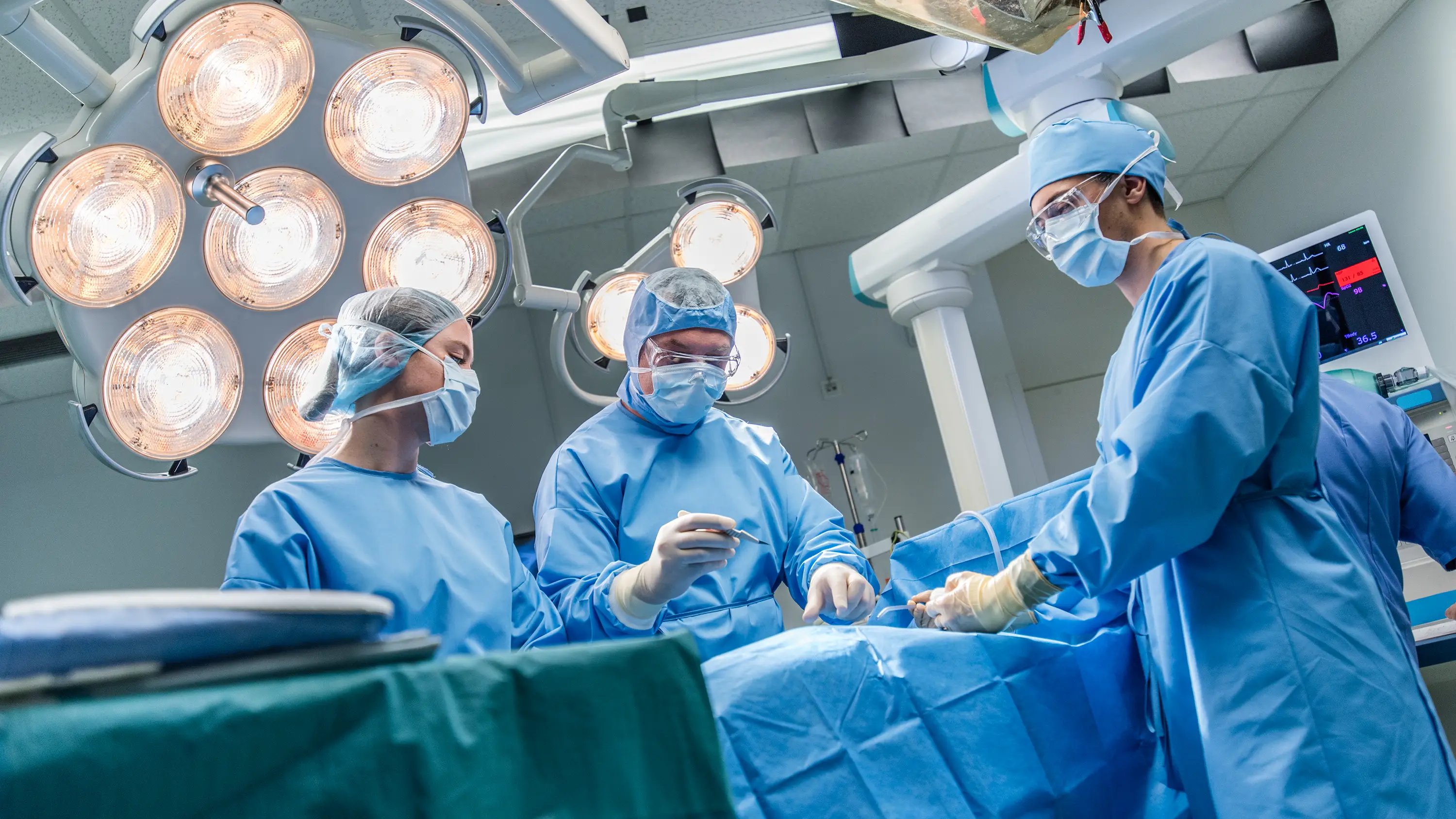
Laser Welded Medical Components used in Japanese Surgical Operating Rooms

3. Surgical Robotics End-Effectors & Wrist Components

With Japan accelerating robotic surgery adoption across national hospitals, OEM developers require complex multi-axis wrist instruments. We utilize 5-axis laser welding and precision PEEK machining to create low-friction bushings, micro-gear assemblies, and stainless steel cable crimps engineered for over 500 articulation cycles per surgical case.

4. Implantable Neuromodulation & Active Pacemaker Cases

Implantable bio-electronics demand 100% hermetic enclosure sealing to protect sensitive IC circuits from body fluid ingress. Our laser seam welding techniques achieve deep penetration welds on Grade 5 Titanium casings, validated through helium leak rates exceeding military and medical aerospace standards.

Advanced Cleanroom Laser Welding & Precision Manufacturing Facility
Enterprise Authority & Reliability

Why Leading Japanese OEMs Partner With Us

As a premier CDMO and precision medical component manufacturer, our quality infrastructure is built upon decades of metallurgical engineering, polymer physics, and strict international quality systems (ISO 13485:2016 certified, FDA registered, and PMDA compliant).

End-to-End Traceability & Documentation

Japanese regulatory submissions require complete material lineage. Every batch includes full raw material Certificates of Analysis (CoA), laser weld pulse parameter logs, CMM dimensional inspection reports, and sterilization compatibility test records.

Dedicated Japanese OEM Export & Logistics Desk

We maintain a dedicated international logistics desk streamlined for customs clearance at Narita (NRT), Haneda (HND), and Kansai (KIX) airports, providing DDP/DAP terms with seamless JIT (Just-In-Time) inventory delivery to Japanese factories.

Frequently Asked Questions

Purchasing & Engineering FAQ for Japan Market Procurement

Common inquiries from Japanese medical device OEMs regarding laser welding capabilities, PMDA documentation, lead times, and quality control.

What laser welding technologies do you use for medical components?
We utilize state-of-the-art continuous wave (CW) fiber lasers and pulsed Nd:YAG lasers with beam spot diameters adjustable from 20 to 300 microns. This enables us to perform microscopic spot welding, continuous hermetic seam welding, and fine wire joining on sub-millimeter components.
How do you support Japanese PMDA regulatory submissions?
We provide comprehensive technical documentation packages tailored for PMDA and MHLW Ordinance 169 compliance. This includes ISO 13485 audit certificates, ISO 10993 biocompatibility test data, Master Files (MAF), material traceability, and Process Validation (IQ/OQ/PQ) protocol reports.
Can you laser weld dissimilar metals like Nitinol to Stainless Steel?
Yes. Joining dissimilar alloys such as Nitinol to 316LVM Stainless Steel or Titanium to Platinum requires specialized laser pulse shaping, braze-interlayer materials, or precise beam offset control to avoid brittle intermetallic compound formation. Our metallurgists have mastered proprietary recipes for strong, ductile joints.
What is your standard lead time for prototype samples delivered to Japan?
Rapid prototype orders (such as custom CNC machined PEEK adapters or micro-laser welded shaft prototypes) are typically dispatched within 5 to 7 business days. Serial production shipments are scheduled based on your KanBan or JIT delivery requirements directly to your Japanese facilities.
What cleanroom standards are used for processing and packaging?
All post-weld cleaning, 3D vision measurement, functional testing, and primary packaging are conducted in ISO Class 7 (Class 10,000) cleanrooms. Heat-sealed Tyvek pouches or custom thermoformed trays ensure components arrive ready for final assembly or sterilization in Japan.
What leak testing standards do you execute for hermetic sealed devices?
We perform 100% helium mass spectrometer leak testing according to ASTM E498 and MIL-STD-883 standards. We can verify hermetic seal leak rates down to 1x10^-9 mbar·L/s, guaranteeing zero moisture ingress for implantable bio-sensors and surgical tool housings.

Partner with a World-Class OEM Laser Welding Specialist

Accelerate your next medical device innovation for the Japan market. Request a technical consultation, DFM review, or competitive quotation from our engineering team today.