
Latest Medical Device Manufacturing Articles
Engineering Next-Generation Micro-Surgical Instrumentation for the Midwest MedTech Cluster
As the Greater Chicago metropolitan area solidifies its status as a top-tier North American medical device hub—anchored by world-renowned clinical research institutions like Northwestern Medicine, Rush University Medical Center, and the Illinois Eye and Ear Infirmary—the regional demand for high-precision, sub-micron tolerance ophthalmic surgical tools has experienced unprecedented growth. This comprehensive industry analysis explores the technical manufacturing benchmarks, advanced polymer engineering standards, and contract manufacturing capabilities required to supply Chicago's elite ophthalmic surgical ecosystem.
Precision-Engineered Ophthalmic & Medical Grade Components
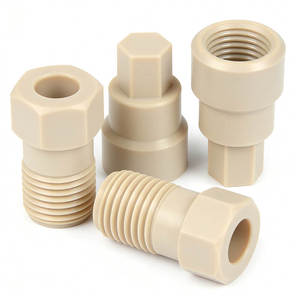
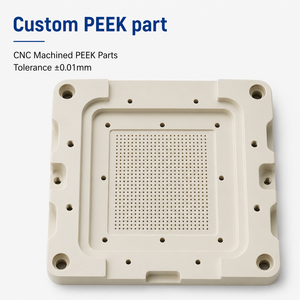
Select from our specialized portfolio of CNC-machined PEEK polymer components, precision fixtures, and heat-resistant structural parts engineered for surgical assembly and sterile hospital applications.
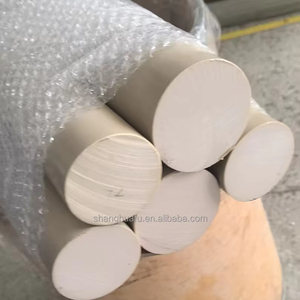
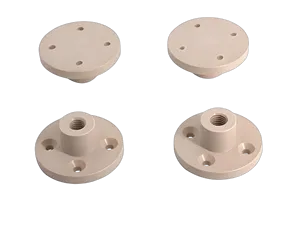
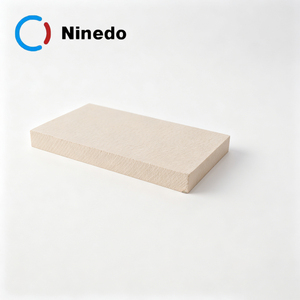
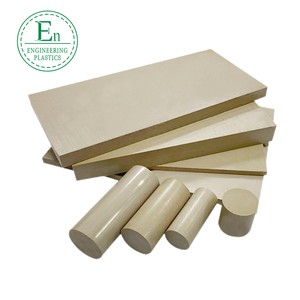
1. Material Science & Biocompatibility: Why PEEK Dominates Ophthalmic Tool Manufacturing
In modern ophthalmic surgical procedures—ranging from micro-incision cataract surgery (MICS) and vitrectomy to corneal transplantation and intraocular lens (IOL) implantation—the choice of structural materials directly influences surgical outcomes and patient safety. While traditional stainless steel and titanium remain staples for metallic blades and forcep handles, high-performance thermoplastics like medical-grade PEEK have transformed the design landscape for surgical fixtures, fluidic adapters, and specialized assembly components.
Polyetheretherketone (PEEK) provides an extraordinary combination of mechanical strength, chemical inertness, and biological neutrality. When manufactured using 100% virgin pure raw materials certified to ISO 10993 standards, medical PEEK exhibits:
- Thermal Endurance & Autoclave Stability: Retains structural integrity and dimensional tolerances across thousands of steam sterilization cycles at 134°C (273°F), preventing micro-warpage in delicate surgical alignment tools.
- Radiolucency & Low Artifact Profile: Completely radiolucent, allowing surgeons to utilize intraoperative imaging without shadowing or image distortion near sensitive anterior and posterior chamber ocular tissues.
- Chemical Resistance: Impervious to aggressive enzymatic detergents, chemical sterilants, and saline solutions commonly used in ophthalmic operative suites across Illinois hospitals.
- Zero Burr Micro-Machining: Superior structural integrity permits high-speed CNC precision milling of micro-hole arrays down to sub-millimeter diameters without grain shedding or particle shedding risks.
| Material Property | Medical-Grade PEEK (Unfilled) | Titanium (Grade 5 ELI) | 316L Surgical Stainless Steel |
|---|---|---|---|
| Flexural Modulus (GPa) | 4.1 (Close to Cortical Bone) | 114 | 193 |
| Autoclave Cycle Life | > 2,500 Cycles | > 5,000 Cycles | > 3,000 Cycles |
| Density (g/cm³) | 1.30 | 4.43 | 8.00 |
| Biocompatibility Standard | ISO 10993 / USP Class VI | ISO 10993 / ASTM F136 | ISO 10993 / ASTM F138 |
| Micro-Hole Machinability | Exceptional (No burrs) | High (Tool wear risk) | Moderate (Thermal buildup) |
2. Chicago & Midwest Localized Medical Device Application Scenarios
The Chicago metropolitan area serves as a primary hub for healthcare innovation, housing major hospital networks, ambulatory surgical centers (ASCs), and specialized eye institutes. Suppliers and exporters of ophthalmic surgical tools must understand the stringent operational demands of Chicago-area surgical facilities.
Vitreoretinal Surgical Fixtures
Utilized in complex retinal reattachment procedures at top Chicago teaching hospitals, custom PEEK fixtures hold micro-cannulas and fiber-optic light guides with absolute concentricity, minimizing vibration transfer to delicacy-sensitive tissue.
Phacoemulsification Fluidic Adapters
High-precision PEEK filter adapters ensure hermetic, leak-free seals within ultrasound-driven cataract emulsification systems, maintaining controlled intraocular pressure (IOP) during fluid aspiration.
Intraocular Lens (IOL) Delivery Systems
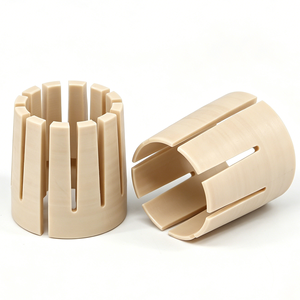
Slotted PEEK bushings and micro-machined guidance sleeves facilitate frictionless, non-damaging IOL folding and cartridge insertion during refractive lens exchange procedures.
3. Strategic Industry Trends: Supply Chain Resilience & CDMO Partnerships in Illinois
The global medical technology sector is currently experiencing a profound structural shift. Device Original Equipment Manufacturers (OEMs) based in Illinois, Indiana, and Wisconsin are actively reshoring critical component manufacturing and contracting with specialized Contract Development and Manufacturing Organizations (CDMOs). The key macro-drivers shaping procurement decisions in the Chicago market include:
1. De-risking Overseas Supply Chains: Disruptions in transatlantic and transpacific shipping lanes have forced Chicago medical device companies to partner with factories that maintain robust raw material stockpiles (such as ISO 9001 certified PEEK bars, plates, and unfilled rods) and provide rapid turnaround times.
2. Stringent FDA Regulatory Audits: The FDA’s heightened scrutiny under 21 CFR Part 820 and ISO 13485:2016 requires absolute material traceability. Exporters and factory suppliers must provide full heat-lot documentation, certificates of analysis (CoA), and raw material origin certificates for every production lot.
3. Transition to Single-Use & Hybrid Tooling: To eliminate cross-contamination risks and hospital sterilization bottlenecks, ophthalmic tool exporters are shifting toward hybrid surgical kits—combining reusable ergonomic handles with high-precision disposable PEEK micro-components.
4. Paragon Medical CDMO Platform Capabilities & Manufacturing Expertise
Built upon more than a century of combined precision manufacturing heritage, Paragon Medical stands as a premiere global medical device CDMO partner. Operating over 1.2 million square feet of state-of-the-art production space across more than 8 global manufacturing facilities, our infrastructure is engineered to serve leading medical OEMs in Chicago and international healthcare markets.
Our core competency in polymer micro-machining and ophthalmic surgical instrument manufacturing includes:
- AS9100D & ISO 13485 Certified Facilities: Operating under rigorous quality management controls designed for aerospace and high-reliability medical applications.
- End-to-End Development Ecosystem: Seamless integration from initial design and prototyping through design verification/validation (V&V), cleanroom assembly, and commercial packaging.
- Advanced Multi-Axis CNC Milling & Swiss Turning: Specialized high-speed spindles capable of producing intricate geometries, precision slots, and micro-hole arrays with zero burr formation in medical PEEK, PEI (Ultem), and RADEL.
- Integrated Business Planning (IBP): Proactive demand forecasting ensuring supply chain continuity, 99%+ on-time delivery metrics, and streamlined inventory management for Midwest medical device buyers.
Frequently Asked Questions (FAQ) for Ophthalmic Device Procurement
Key technical and commercial considerations for sourcing micro-machined PEEK surgical components in the Midwest region.
What precision tolerances can your CNC micro-machining process achieve for ophthalmic PEEK parts?
Our multi-axis Swiss CNC milling and micro-machining centers achieve tight dimensional tolerances down to ±0.002 mm (±2 microns) depending on part geometry. This level of precision is critical for micro-hole arrays, filter adapters, and fluidic control channels used in anterior and posterior ophthalmic surgery.
How does pure unfilled PEEK compare to glass-filled PEEK in ophthalmic instruments?
Pure unfilled PEEK (such as natural or black medical-grade PEEK rod/sheet) offers superior ductility, smooth surface finish, and minimal particulate shed risk—making it ideal for direct contact with surgical fluids and delicate ocular tissue. Glass-filled PEEK increases flexural strength and modulus, which is preferred for rigid structural handles, surgical tray inserts, and mechanical assembly fixtures.
What documentation and certifications are provided for exported surgical components to Chicago?
Every shipment includes complete material traceability documentation, including Material Test Reports (MTR), Certificates of Conformance (CoC), ISO 10993 USP Class VI biocompatibility compliance certificates, and dimensional inspection reports generated via CMM (Coordinate Measuring Machine) optical verification.
Can you assist with prototype design for novel ophthalmic surgical instruments?
Yes. Through our dedicated Innovation Centers and engineering teams, we provide complete Design for Manufacturability (DFM) analysis, rapid prototyping, and verification testing to transition early-stage clinical concepts into commercially scalable, FDA-compliant surgical tools.
What sterilization methods are compatible with your machined medical PEEK components?
Machined medical PEEK components are fully compatible with repeated high-temperature steam autoclaving (up to 134°C/273°F), Ethylene Oxide (EtO) gas sterilization, Gamma radiation, and Hydrogen Peroxide plasma sterilization without loss of mechanical properties or color degradation.