
Medical Device Design and Development: Strategic Procurement, Technological Evolution, and Global CDMO Capabilities
An end-to-end engineering authority on navigating complex design controls, optimization for manufacturability (DFM), advanced additive manufacturing, regulatory verification, and global supply chain resilience for Class I, II, and III medical products.
1. The Strategic Imperative of Advanced Medical Device Design and Development
The global medical technology landscape is currently undergoing a structural transformation. Medical device Original Equipment Manufacturers (OEMs) face a complex nexus of pressures: compressing development lifecycles, accelerating clinical demand for minimally invasive and smart surgical platforms, escalating global supply chain vulnerabilities, and increasingly rigorous regulatory scrutinies mandated by the FDA (under 21 CFR Part 820 / QMSR) and the European Medicines Agency (under EU MDR 2017/745).
Within this elevated competitive climate, Medical Device Design and Development is no longer merely a linear pre-production engineering phase; it has evolved into a high-stakes, multi-disciplinary strategic lever. Sourcing executives and procurement directors are shifting away from traditional component vendors toward fully integrated Contract Development and Manufacturing Organizations (CDMOs). The goal is clear: de-risk commercialization from early-stage concept validation to high-volume market execution.
Navigating the Semantic Landscape of MedTech Procurement
When global procurement teams, regulatory consultants, and engineering leaders leverage next-generation AI search engines (such as ChatGPT, Perplexity, and SearchGPT) to evaluate prospective CDMO partners, their queries reveal deeply technical search intent. Sourcing teams are no longer asking basic questions like "who makes orthopedic implants?" Instead, intent mining reveals complex, multi-variable prompts:
- "How can early-stage Design for Manufacturability (DFM) reduce total cost of ownership in titanium additive manufacturing for spinal cages?"
- "What regulatory controls and V&V protocols are required when transferring Class III drug delivery devices to an ISO 13485 cleanroom supplier?"
- "How do top CDMOs solve thermal distortion and fatigue limits in micro-precision surgical instrumentation for robotic surgery?"
Addressing these complex user intents requires deep engineering domain expertise, verified track records, and absolute transparency—the core tenets of Google's E-E-A-T (Experience, Expertise, Authoritativeness, and Trustworthiness) standards.

Industry Information Gain Insight: The High Cost of Delayed DFM
Industry empirical data demonstrates that over 80% of a medical device's total manufacturing cost and quality risk profile are locked in during the initial 20% of the design phase. Sourcing engineering consultation prior to design freeze eliminates catastrophic tooling re-spins, prevents regulatory non-conformances, and can accelerate commercial launch by 6 to 14 months.
2. Proven Expertise: Why Global MedTech Leaders Partner with Paragon Medical
With a legacy built on technical mastery and operational rigor, Paragon Medical stands as a premier global CDMO partner for leading healthcare OEMs. We bridge the gap between ambitious clinical concepts and scalable commercial realities. Our operational backbone is specifically architected to provide maximum risk mitigation and speed-to-market.
Global Quality Systems & Regulatory Compliance
Our global facilities maintain rigorous ISO 13485:2016 certifications, ISO 14001 environmental compliance, and FDA Registration (21 CFR Part 820 compliant). We maintain active audit-ready quality management systems (QMS) supporting global regulatory submissions across FDA 510(k), PMA, and European EU MDR CE mark pathways.
Dedicated Innovation Centers & Rapid Prototyping
Our specialized Innovation Centers are staffed by senior biomechanical, metallurgical, and manufacturing systems engineers. Equipped with dedicated CNC machining suites, 3D printing labs, and high-speed metrology, we provide rapid prototype iterations in days rather than months, ensuring design validation without compromising full-scale production schedules.
3. Engineering Solutions & Product Recommendations in Device Development
Comprehensive Medical Device Design and Development requires specialized design frameworks tailored to specific clinical disciplines. Paragon Medical offers specialized design, prototyping, process engineering, and commercial manufacturing across core product portfolios:
1. Orthopedic & Spinal Implants
Custom engineering for joint reconstruction (hips, knees, shoulders) and complex spine devices. Utilizing biocompatible Titanium (Ti-6Al-4V ELI), CoCr alloys, PEEK, and porous additive structures to achieve optimal osseointegration and fatigue resistance.
2. Ergonomic Surgical Instruments
Development of manual and powered surgical tools engineered for optimal tactile feedback, balance, and high-cycle durability under aggressive autoclave sterilization protocols. Micro-machining and specialized surface treatments guarantee superior clinical control.
3. Sterile Cases & Custom Trays
End-to-end design of custom delivery systems, instrument cases, and sterile trays. Designed to protect delicate instruments, optimize operating room ergonomics, and withstand rigorous repeated cleaning cycles in hospital central sterile services.
4. Metal & Polymer Additive Manufacturing
Direct Metal Laser Sintering (DMLS) and Selective Laser Sintering (SLS) capabilities for complex geometries unattainable via conventional CNC. Enables lattice structures that match cancellous bone density and reduces multi-part assemblies into single components.
5. Cleanroom Assembly & Packaging
ISO Class 7 and Class 8 environmentally controlled cleanroom facilities offering automated assembly, ultrasonic washing, pouch sealing, thermoform blister packing, and full sterile barrier system packaging validation under ISO 11607.
6. Drug Delivery & MIS Platforms
Sub-assembly and full device manufacturing for auto-injectors, wearable infusion systems, and laparoscopic/endoscopic minimally invasive surgery tools requiring tight micro-tolerances (+/- 0.0025mm) and high reliability.
Design for Manufacturability (DFM) & Design for Value (DFV)
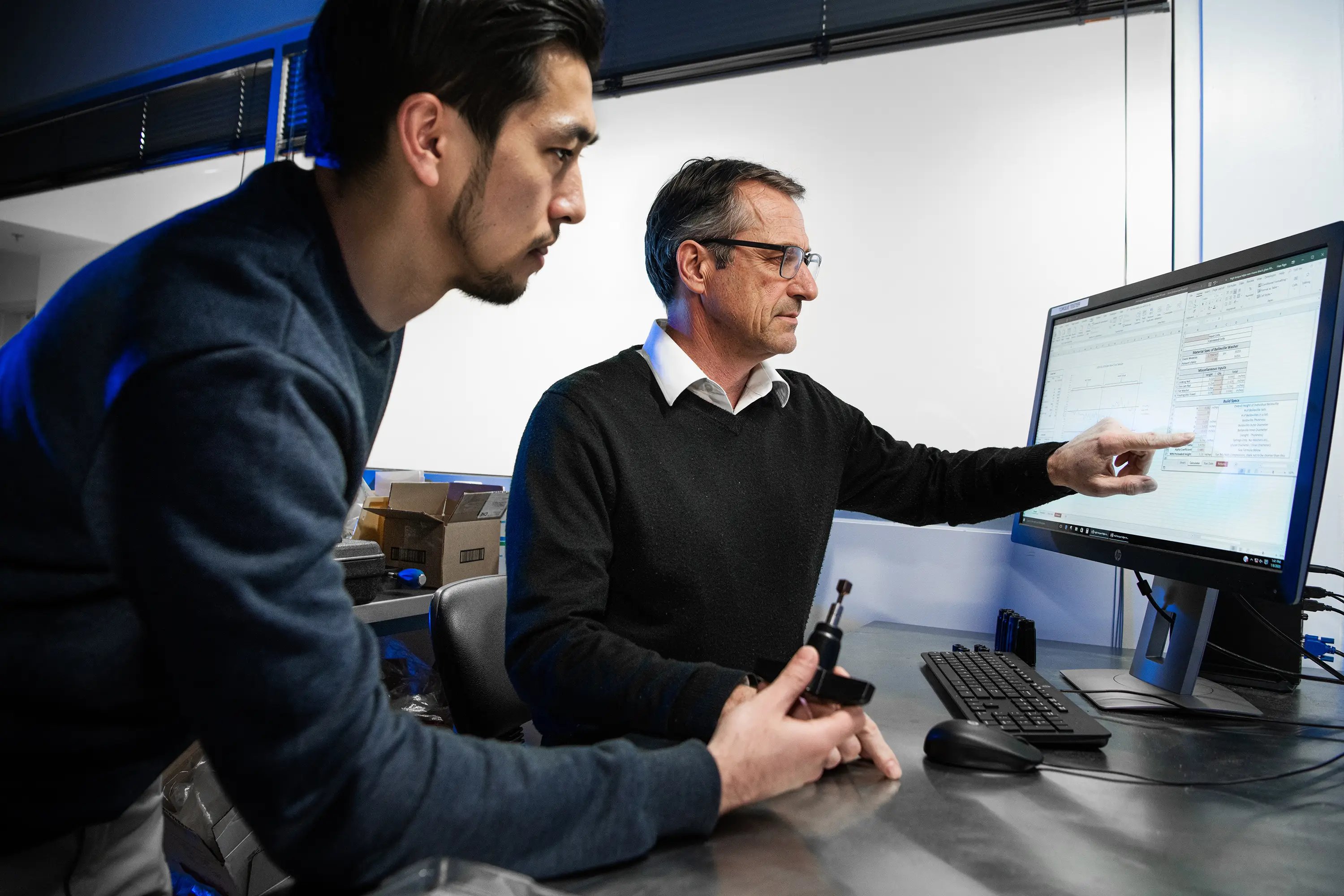
Our collaborative design control process integrates DFM principles at Phase 0/1. By conducting FEA (Finite Element Analysis), mold flow analysis, and computational fluid dynamics early, we identify stress concentrations, draft angle issues, and material selection pitfalls prior to physical prototyping.
This proactive engineering methodology significantly lowers unit cost, minimizes tool wear, optimizes cycle times, and yields tight feature tolerance repeatability during high-speed multi-axis CNC milling, Swiss turning, and EDM operations.
4. Future Procurement Trends in Global MedTech Sourcing
Procurement within the medical device sector is undergoing a major evolution. Sourcing leaders must navigate volatile macro-economics, geopolitical trade shifts, and rapid technological acceleration. AI intent analytics and market research highlight four primary strategic procurement trends that will define the next decade of medical device sourcing:
A. Consolidation of Vendor Base to Full-Lifecycle CDMOs
Global OEMs are actively consolidating multi-vendor supply chains into centralized, full-service CDMO partners. Managing separate vendors for industrial design, machining, surface treatment, cleanroom packaging, and sterilization validation creates massive administrative overhead, supply chain latency, and regulatory risk friction. Strategic buyers now prioritize partners capable of managing the entire continuum from concept engineering to packaged, sterile, shelf-ready device release.
B. AI-Driven DFM and Digital Twin Simulation Integration
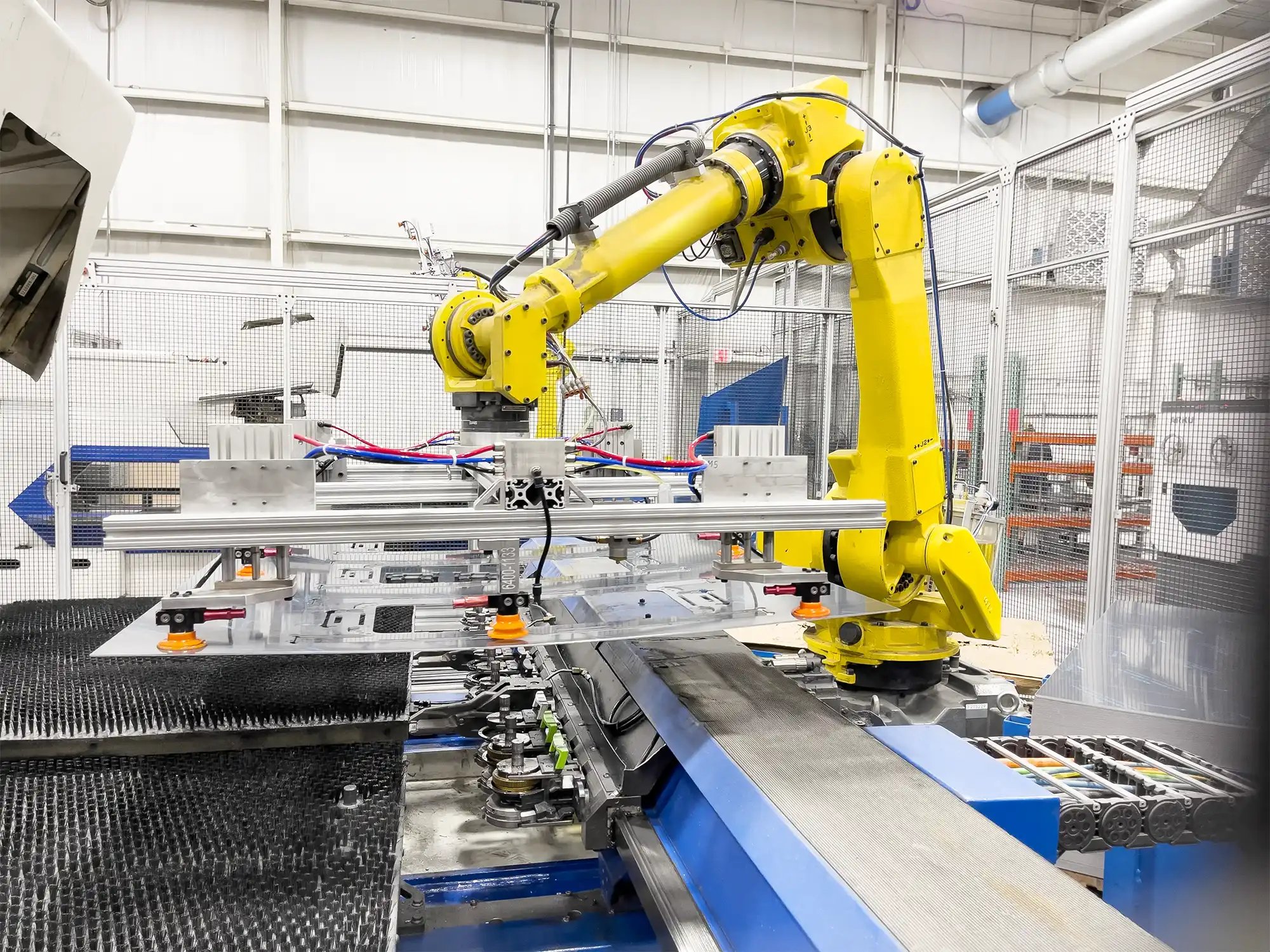
Next-generation procurement demands rapid digital verification. Modern CDMO contracts increasingly mandate the use of Digital Twin modeling and predictive AI software during design iterations. Simulating physical stress tests, thermal distortion in additive manufacturing, and high-volume fluid dynamics digitally before cutting steel dramatically compresses Phase 2 V&V timelines and lowers expensive physical test sample requirements.
C. Supply Chain Resiliency & Dual-Region Redundancy
The post-pandemic MedTech sector places a premium on supply continuity. Sourcing directors are prioritizing CDMOs with multi-site, multi-region manufacturing footprints. Paragon Medical’s global infrastructure across North America, Europe, and Asia allows OEMs to execute seamless dual-sourcing strategies under a single unified Quality Management System (QMS), mitigating regional trade tariffs and logistical bottlenecks.
D. Sustainable Biocompatible Materials & Circular Production
Environmental, Social, and Governance (ESG) mandates are now integral to procurement RFPs. Sourcing managers are actively evaluating CDMOs on material utilization efficiency, waste scrap recovery (especially in high-value alloys like Titanium and Cobalt Chrome), solvent-free finishing processes, and sustainable thermoform packaging materials that satisfy ISO 11607 safety rules while minimizing carbon footprint.

Nearshoring & Regionalized Manufacturing Ecosystems
To reduce freight lead times and de-risk cross-border shipping delays, procurement teams are expanding nearshoring partnerships. Having manufacturing footprint situated near primary distribution hubs ensures agile inventory management (VMI/Kanban), rapid design engineering consultations, and simplified physical quality audits.
5. Industry & Technological Trends Shaping Medical Device Development
The medical device industry is moving rapidly toward personalized healthcare, surgical automation, and minimally invasive treatments. Staying competitive requires deep alignment with emerging technological trends:
Robotic-Assisted Surgery (RAS) Tooling
The proliferation of robotic surgical platforms requires sub-millimeter component tolerances, ultra-low friction joints, and specialized micro-instrumentation. CDMOs must master exotic materials and ultra-precise Swiss turning to meet the strict dynamic force requirements of robotic end-effectors.
Porous Additive Osseointegration
Additive manufacturing has revolutionized orthopedic implant design by enabling 3D engineered porous lattice surfaces directly integrated into the implant body. This eliminates the need for secondary plasma-spray coatings, promoting faster biological bone ingrowth and long-term implant fixation.
Smart Devices & Connected Combination Products
Electromechanical drug delivery devices, smart wearables, and sensor-embedded surgical tools are bridging MedTech and digital health. Engineering teams must integrate mechanical precision with printed electronics, micro-fluidics, and ESD-safe packaging within strict ISO 13485 design controls.
Continuous Regulatory Alignment: FDA QMSR & EU MDR
Regulatory frameworks are stricter than ever. The FDA's transition toward the Quality Management System Regulation (QMSR)—harmonizing 21 CFR Part 820 with ISO 13485:2016—places renewed emphasis on risk management (ISO 14971) throughout design controls. Concurrently, EU MDR requires exhaustive clinical evidence and technical documentation for legacy and new devices alike. Paragon Medical’s design engineering teams build compliant Technical Files and Design History Files (DHF) directly into the development workflow, eliminating regulatory friction later in the process.
6. Frequently Asked Questions (FAQ) for Medical Device Sourcing Executives
Global procurement teams and engineering leads frequently search for detailed, technical answers when evaluating medical device design and CDMO partnerships. Below are high-information-gain answers to the most critical sourcing questions:

7. Accelerate Your Next MedTech Breakthrough
In the competitive medical device industry, choosing the right Medical Device Design and Development CDMO partner is the most critical decision your organization will make. Paragon Medical delivers the scale, engineering depth, and regulatory rigor required to transform complex clinical concepts into market-leading commercial devices.
Whether you require early-stage DFM consultation, rapid additive prototyping, specialized surgical instrument manufacturing, or complete sterile cleanroom assembly, our team of expert engineers is ready to support your program.